Taste of Place: How to Use Event F&B to Celebrate Local Culture
What if your event menu was the most powerful branding tool your destination has?
In this episode, Tracy is joined by Erik Wolf, Founder and Executive Director of the World Food Travel Association and the pioneer behind the global “Taste of Place” movement.
We talk about why food and beverage should no longer be treated as a banquet line item—but as the way destinations, hotels, and convention centers express identity, protect culture, and drive measurable economic impact.
Erik shares insights from the 2026 Taste of Place Report and explains how culinary heritage, terroir, ethical eating, and storytelling are reshaping tourism—and what that means for meetings and events.
If you’re a:
• Destination marketing organization trying to differentiate your city
• Hotel or convention center leader looking to move beyond generic banquet menus
• Event planner wanting your program to actually reflect where it’s hosted
This conversation will challenge how you think about menu design, sourcing, storytelling, and guest engagement. Because when attendees travel for a conference, they don’t just want to learn. They want to understand where they are. And sometimes, the fastest way to create a sense of place… is through what’s on the plate.


Heard on the Episode
“Food and beverage are an attraction. Sell a memory, not just a meal.”
~Erik Wolfe 03:15
“If you insisted that local suppliers were used, that money is being invested back in the community. Your event becomes a tool for economic development.”
~Erik Wolfe 07:16
“Local isn’t enough. A better way is to cite the source—with menu messaging—and even put the faces behind the places.”
~Erik WolfeB 13:24
Key Topics Discussed
-
Evolving Role of Food & Beverage
-
Beyond support service: food as identity, memory, and competitive advantage.
-
Outdated banquet menu practices.
-
-
Sustainable & Authentic Sourcing
-
Addressing greenwashing.
-
Insisting on local suppliers to drive community investment.
-
Menu messaging: naming sources, faces, and stories.
-
-
Experiential Event Design
-
Involving producers and makers as event attractions.
-
Gift boxes with local products—turning guests into ambassadors.
-
-
Economic Impact & Community Building
-
Leveraging F&B for meaningful economic development.
-
RFP strategies: questions to ensure local support and sustainability.
-
-
Culinary Heritage & Competitive Advantage
-
UNESCO Cities of Gastronomy examples.
-
Exploring certifications and avoiding pay-to-play traps.
-
-
Preserving Culinary Culture
-
Guardians of culinary heritage in communities.
-
The pivotal role of women in kitchen tradition and heritage.
-
Key Takeaways
-
Food and beverage have power to create lasting memories and connect people to place.
-
Insist on meaningful local sourcing—not just “local,” but named producers, stories, and faces.
-
Embedding local suppliers drives real economic impact and supports community development.
-
Menu messaging and experiential moments transform events from generic to authentic.
-
Planners hold the purse strings—use buying power to demand sustainability, transparency, and heritage preservation.
-
Culinary heritage is safeguarded by communities—especially women and indigenous makers.
Tips
-
Add menu messaging to every meal—cite sources and stories.
-
Include RFP questions about F&B’s local impact and sustainability.
-
Ask venues for supplier invoices to confirm local sourcing.
-
Bring in producers or makers for live demos or storytelling.
-
Plan gift boxes or samples of local fare for guests to take home.
-
Use labeling and storytelling to elevate local products at your event.
Like what you heard? Subscribe to our newsletter for more episodes and insider content delivered right to your inbox!
Tracy Stuckrath [00:00:06]:
Hey, everybody, and welcome to another episode of Eating at a Meeting. I am in my home office. I'm excited to be here today, and I'm excited to bring back to the stage Eric Wolf. He is the founder and executive director of the World Food Travel association and is the driving force behind the global Taste of Place movement. For more than 25 years, Eric has worked with destinations and governments and hospitality leaders around the world to position food as more than a meal, which is what I talk about all the time. But food is more. But it has identity, it has culture, it has a competitive advantage. And today, Eric and I are going to talk about what that means for meetings and destinations, hotels, and the way we design food and beverage experiences at our events.
Tracy Stuckrath [00:00:53]:
So welcome back to the show, Eric. Thanks.
Erik Wolfe [00:00:56]:
Thank you, Tracy. It's great to be back and to see you again and catch up on what's been happening in our lives the past few years.
Tracy Stuckrath [00:01:03]:
I know the last it was, I think it was three years ago, and I was in San Antonio when I was doing Going Live from a Closet in the back of the House of the Hotel. But I'm really excited. Cause you also just. This Taste of Place is a. From the World Travel, World Food Travel Association. You've launched this new Taste of Place concept. And I also did a session for the Professional Convention Management association last month with that same topic, the Taste of Place. How can meeting planners use that food culture to enhance their meetings? Because like you said, it's no longer.
Tracy Stuckrath [00:01:41]:
Food and beverage is no longer a support service for tourism and meetings. It's the way that destinations can express their identity and protect their culture. So can you tell. Tell us besides what we just said, you know, what does that mean? And how. Have you seen it position itself around the globe?
Erik Wolfe [00:02:03]:
Well, I think that the. I mean, what you said, the way the role of food and beverage in a meeting or event has changed. Before when I used to do meetings and events, it was, you know, you'd look at the banquet menu and say, okay, we'll have 400, 400 chickens. We'll have 200 beefs, we'll have 100 vegetarians. And that was it. There was no discussion of what the menu actually was or where the food came from or any of that. And I think that that kind of behavior is fully outdated now. And it's also not a sustainable way to produce a meeting.
Erik Wolfe [00:02:38]:
And everyone's so concerned about sustainability right now. And I'm more concerned about greenwashing because you have a venue that says they do X, Y and Z and you dig a little deeper and actually it's just like a brush of PA on a canvas. You know, they're not, they're not really doing what they say on the, on the can. So people have changed, consumers have changed. Our consumers are much more demanding and much more aware than they used to be. So when a destination or a convention center or a hotel or a meeting center claims something now, consumers are going to check and make sure that these things are the case. And I think that the message that I'd really like to start off with today is that food and beverage are an attraction. And we have said for ages now that destinations or chefs or venues should be selling a memory and not just a meal.
Erik Wolfe [00:03:31]:
And when you look at the impact of food and beverage impacts all five human senses. So it has a possibility of making such a long lasting impact on the meeting delegate, the event goer. Uh, it's just, you know, you, you, you, you have the flavors in your mouth. You, you remember the crunching sound, you remember who you were talking with, or you had a local wine that was just amazing and you guys talk about the wine. Those are memories that are made forever as opposed to the rubber chicken or my. I used to actually go around and take pictures of the convention center rolls. You know, just this, this hard, white, tasteless, disgusting roll that was literally dropped on your bread plate. And I would, I would start laughing at the table and because the way it would drop, it would just plop and make a sound on the plate.
Erik Wolfe [00:04:16]:
And people would look at me, you know, what's his problem? And then I'd get my phone out and take a picture, right? And they say, oh my God, this guy's a weirdo. But no, I was using it in presentations to illustrate that there's absolutely nothing redeeming about this silly little piece of bread on a, on a plate. And then, you know, you contrast that with a locally like a local baker who makes a ciabatta with maybe local herbs or something like that. And then people say, wow, this, you know, this convention center has really amazing food. There are a few convention centers around the world that are really excelling at this. And I think meeting an event planners are probably thinking, yeah, this sounds nice, but I need my job to be easy. I can't be the F and B police. And I, you know, I'm producing events for 2,000, 3,000, 5,000 people.
Erik Wolfe [00:05:05]:
I just, this is something I don't need. But actually I would say that it's your responsibility because you hold the purse strings or your client holds the purse strings. And these convention centers, meeting venues, hotels are going to jump through hoops to get your business. So make them perform for you, make them prove to you. And it is possible. It is doable. I have seen success stories at multiple levels. When I lived in Portland, Oregon.
Erik Wolfe [00:05:36]:
There is the Embassy Suites Hotel downtown, which was known for having outstanding food. There was a chef there that really got it and he could serve up to 200 individually prepared meals at a time. And it all just worked like clockwork. Of course he was German, so maybe there's something cultural.
Tracy Stuckrath [00:05:55]:
I went and did the event sustainability course at that hotel.
Erik Wolfe [00:05:59]:
Okay, so yeah, probably had that food. And then I've seen it also happen at the convention center level. So Canada is really gets great convention center food. Especially Vancouver and Ottawa, I think are probably two leaders where I've seen this kind of experience where the executive chef understands the need to involve the local producers, makers, suppliers, ranchers, farmers, whatever it is. And I think the. We talk about bringing business to a destination. And if you're bringing 2,000 people to a destination, they're there to use the destination. If you're staying at a hotel, 80% of that hotel's revenue is going back to corporate headquarters somewhere.
Erik Wolfe [00:06:43]:
So the only money that is spent at the hotel is a little bit on F and B and wages and that's it. And if you know a little bit of spend on local transportation. But this is not making the significant economic impact that a DMO might expect because of the things are held at chains and they're this. The revenue goes back to corporate headquarters. However, if you insisted that local suppliers were used, then all of a sudden that money is going back into the local community. It's going to the rancher over here and it's going to the fruit orchard over here and it's going to the cheese maker over here and to the chocolatey over here and it's going to the brewery down the road. And that money is being invested back in the community. And that you could look at your event or your meeting as a tool for economic development in the community as opposed to something that's coming in to use and abuse really the community and leave nothing but trash behind.
Tracy Stuckrath [00:07:43]:
Well, and this has nothing to do with food, but somebody posted a picture the other day of all of the canvas bags that you get. It was just piled. And that's just the trash that's left over from an event. And we don't see that. We, we just come like you say, we come in use it and leave. And we don't see that what we have done is not necessarily develop and provide the community anything. We've, we've come in used and abused and left. So.
Tracy Stuckrath [00:08:11]:
I like that you said that.
Erik Wolfe [00:08:13]:
Yeah, it's true. It's an, it's unfortunate. And I think that the, you know, I, I've worked with so many DMOs around the world and you know, you, you, they ask for you, you send an RFP to and you get different bids back from different DMOs. And I think that meeting and event planners should actually put a whole section in the RFP about fnb. You know, what local suppliers are you using? How does, how does your event support the local economy with regard to food and beverage?
Tracy Stuckrath [00:08:42]:
Right.
Erik Wolfe [00:08:42]:
You know, not just how many local transportation providers are you using or how many hotel guest nights is this, but what is the economic impact of your event on our community? And that. Yeah, I. Meeting and event planners, especially for the larger events, have such power in their hands to evoke change. And that's really what we need is people who care to evoke that change. Because otherwise it's like you said, we're just leaving trash behind and that's not pleasant for anyone.
Tracy Stuckrath [00:09:11]:
And I mean, and kind of going into that, I mean, food and beverages are number one expense for any conference. I mean, and as you get larger, it gets even more. And with the cost of food and beverage rising, and I know other things are rising, but PCMA and the Events Industry Council all show that food and beverage is the number one expense. But it's the thing that we spend the least amount of time on, let alone even asking, hey, are you using any local purveyors? I know that Thomas, Chef Thomas at the Hyatt Regency in Atlanta. It's a convention hotel. It's huge. And so he's, he's doing a lot with that in Atlanta and the Georgia community and using a lot of local produce providers as much as possible. Like you said, it might not be good for a conference of 5,000 people, but I know he's using it in the restaurants and the sundry shops and he's very proud of showcasing what they do.
Tracy Stuckrath [00:10:03]:
But it does. And I like the fact that you're. That question is huge. Like, what are you, what does your food and beverage provide to the local community? Right. How does it support the local community? I love that question to be able to ask that. But personally, even I'm like, I was chatting with a hotel lately recently with an event that I'm planning, and I said okay, so I want our surplus to go feed the community. Well, we don't do that. That's against corporate policy, and we'll also get sued.
Tracy Stuckrath [00:10:31]:
I said, no. Your adjacent properties do it. Not in the same ownership or whatever, but. So I don't understand that philosophy. And you get such. You. You get a wall. In some instances, you get a wall.
Erik Wolfe [00:10:46]:
It is. It's the easy answer and it's also the lazy answer. And I have been in situations like that before where I've. I've had that said to me. And at that time, I couldn't do anything about it. But before you sign the contracts, you can do something about it. And the way I look at it is, look, if there's going to be surplus F and B, and I want it to go to a homeless shelter or whatever that is, make the recipients sign a waiver that they won't sue you, that this is being provided with, you know, in good faith, XYZ and all the. Here's all the clauses.
Erik Wolfe [00:11:23]:
Sign it here, we'll give it to the homeless shelter. And if someone gets food poisoning, okay, we're absolved of that. But, you know, where there's a will, there's a way.
Tracy Stuckrath [00:11:32]:
Well, in the Food Donation Improvement act actually protects you from that already, which was signed in 2021. And before that was the Bill Emerson Good Samaritan Act. So it is. You have liability protection from that across the board already here in the States, at least. And I know you're in Spain, and I was chatting with a woman years ago in the incentive industry. And I know I've told this story I don't know how many times, but she was. She saw one of the banquet servers in the back or kitchen staff in the back crying as she was throwing away food, and she was throwing away filet mignons.
Erik Wolfe [00:12:06]:
Oh, my God.
Tracy Stuckrath [00:12:07]:
And this woman was crying, and this woman said, why are you crying? And she's like, because I can't afford to buy this myself, and my boss is making me throw it in the trash, you know, because it was. It was prepared but unserved. It wasn't like it was, you know, on your plate, but it was prepared. Yeah. So we have got to do better with as much food as we buy. We have that buying power. And if you look at the corporate. I don't know if you said this beforehand, before the show or not, or if it was when we got on air, but you know, the corporate mantras of like, hey, we want to be sustainable, we want to do this, but Is it being passed down to your franchise owners? Right.
Tracy Stuckrath [00:12:48]:
Because majority of the hotels are franchise owned. So how are you embedding that into that?
Erik Wolfe [00:12:53]:
And not just homeless shelters either, but also animal shelters. There's a lot of dog shelters that. I mean, can you imagine dogs getting filet mignon for dinner because no one could eat it?
Tracy Stuckrath [00:13:03]:
Yeah.
Erik Wolfe [00:13:04]:
They would be such happy, happy little campers, wouldn't they?
Tracy Stuckrath [00:13:07]:
Exactly. Yeah. And even the pigs, right. The local pig farmers.
Erik Wolfe [00:13:11]:
Any of that. Any of those animals.
Tracy Stuckrath [00:13:13]:
Yeah. Okay, so one thing that I saw in the report was that the phrase that local isn't enough. What does that mean when you look
Erik Wolfe [00:13:24]:
at local can mean anything. It can mean that I called up my local Cisco rep and said, I need 10,000, whatever it is. It could be you bought something from a local store and they were shipped in from China. Right. There's a lot of wiggle room when it comes to local. And a better way to handle local is actually to cite the source and this, especially when it comes to food and beverage. I like to suggest that meeting event planners use something that. And also chefs and restaurants use something that we call menu messaging.
Erik Wolfe [00:13:58]:
And rather than just giving the delegate a menu and saying, okay, first course, second course, whatever, you actually say where the food is from. So in Portland, where I used to live, it was Carlton Farms pork filet with Willamette Valley vineyards, whatever it was. And. Or in San Francisco, you know, you'd have something like, no, not San Francisco. Let's go back to Portland Road Creamery blue cheese, smoky blue cheese. And. And so you could actually see where these things were coming from. And you can even take it a step further and put the faces behind the places, because people, you know, it's one thing to say this and also to include it on the menu.
Erik Wolfe [00:14:36]:
And that's good. You know, you get. You get a good start for that. But could you imagine introducing Dave Gremills from Rogue Creamery and saying, you know, and here's Dave the cheese maker. And wow. Okay, wow. The cheese makers here at our event. Okay.
Erik Wolfe [00:14:48]:
Not practical to happen all the time, but you could. You could maybe get one or two of your suppliers to come in and just, you know, hey, I made the chocolates today, or I crafted the beer today. I hope you enjoy it. And what a cool impact that would be. People could get their pictures taken with them as well. And these people, not just chefs, but these people are celebrities. Everyone is obsessed with food. And, you know, they want to meet the barista, they want to meet the winemaker or the Brewmaster, they want to meet the chef.
Erik Wolfe [00:15:19]:
You know, this is what people want. And it could even be done as an attraction at the convention center or hotel.
Tracy Stuckrath [00:15:27]:
Well, we do all kinds of puppy. Puppy people bring puppies and goats into their booths to have people come touch them and play with them. You know, why not bring the local farmer or, you know, especially if you're doing something that's really, you know, sponsoring something. If you're sponsoring a food and beverage session, can you bring in that local person? I. It adds so much more value. And they are farmers and make. And different makers, cheese makers, et cetera, are like celebrities now. People like to follow them.
Tracy Stuckrath [00:15:58]:
They want to know what, how they do it, what they're doing. So I think that would be a lot of fun.
Erik Wolfe [00:16:02]:
It would be okay.
Tracy Stuckrath [00:16:04]:
So we just kind of answered the question we just was just about to ask you. But the traveling for food people travel for food. And there's a bunch of people that I know that have food allergies and dietary restrictions. They travel for food. And, you know, they are looking at. They still want to experience that place that they're going, if they're going to Madrid or London or whatever. So what for planners and destination leaders, what's the difference between simply offering that local food and delivering the taste of place experience? I mean, you just said, let's bring in that farmer. You know, how do you do that? But when we're looking at that in other ways, how can we DMOs and I think destination management companies probably do a good job of that when they're helping planners do that.
Tracy Stuckrath [00:16:50]:
But what other ways have you seen it done that have been very, very successful?
Erik Wolfe [00:16:56]:
What, bringing in local foods to a meeting?
Tracy Stuckrath [00:17:00]:
Yeah, yeah. Meetings. Yeah. I don't even. What's the difference between simply offering the local food and then delivering that taste of place experience? I mean, you just talked about bringing in the food farmers and things, but what other things have you done or seen done?
Erik Wolfe [00:17:14]:
Well, I mentioned the mini messaging. That's. That's a big thing. You can also give delegates little sample sizes to take away gift. Gift bags and gift boxes. There is the province of Nova Scotia in Canada that has. It's an organization called Taste of Nova Scotia, and it used to be run by a woman called Janice Ruddock, and she is no longer head of it, but they have a little gift box program that they do, and all of the products come from Nova Scotia. And so you can order these either as a company and doing like a corporate gift, or you could do it for a convention for conventional.
Erik Wolfe [00:17:48]:
Gets like speakers, that kind of thing. And you get a nice little box of Grand Prix wine and the local cheese and some crackers or whatever. Everything's made in the province of Nova Scotia. And I think that's fantastic because imagine you have these 500, 1,000 people all coming to your destination. They can return to their homes as ambassadors and talk about the great food and drink they had there. I had no idea that Nova Scotia had amazing food. And it just doesn't come up on the radar. Right.
Erik Wolfe [00:18:20]:
But when they actually can bring product home with them, or here's some maple syrup from Nova Scotia. And this certainly beats what I got at Costco kind of thing.
Tracy Stuckrath [00:18:30]:
Have you seen or. Go ahead.
Erik Wolfe [00:18:32]:
No, no, I was just gonna say. And then there was another really great example that for the doubters out there, there was the Ontario, California Convention Center. And the guy there, I want to say I think his name was Bob Brown or maybe Brad something. And he was not there anymore. And actually, I think I heard he died. This is maybe 10 or 15 years ago. I know, but when I went to an event there. And this.
Erik Wolfe [00:18:55]:
This is Ontario, California, in between LA and San Bernardino, so on the way to Palm Springs. And he's. His thing was making sure that every delegate became an ambassador for the destination and making sure that they had an amazing experience. And I have to tell you, the food that we had at that event at the convention center, so here, you know, as a thousand people, it was huge. And the food was outstanding. You know, and it was because he was committed to it. He took it upon himself to personally ensure that all of the delegates had a great experience. And that's all it takes is someone who makes that commitment that, you know what, we're gonna.
Erik Wolfe [00:19:33]:
We're gonna do this and we're gonna do it right. And it's almost like everything else just falls in place. How many times have you been to an event where the talks were really good but the food was really bad?
Tracy Stuckrath [00:19:45]:
Oh, tons. That's what you remember.
Erik Wolfe [00:19:47]:
Exactly. Or they run out of food, or there's not enough servers passing the food around, or they run out of wine or, you know, the. The. You had your one drink limit or something. Something that creates a. Like a. An objection or like a wall. Creates a wall for the visitor that.
Erik Wolfe [00:20:06]:
You mean I only get one. One free beer or. Well, where's the hors d'? Oeuvres? I wanted. I wanted to try the lobster one. Are they going to try the lobster one? This creates a stress for the visitors. But if you can have great talks or whatever and great activities and great food. Everyone is united by food. And that's, that's really as part of the, the genesis for our taste of place movement, we used to focus on culinary tourism.
Erik Wolfe [00:20:33]:
That was the thing and really the word tourism. And then I started to pay attention that you know what, we're actually, when we talk about culinary tourism, that could mean a lot of different things to different people. And that means that a destination could talk about like the top 10 dining cities in the United States, which would include Orlando and Houston. And I'm thinking Orlando, really? And so, okay, so for anyone who's from Orlando or the CBB there, I'm sure you've got great restaurants. But there's a lot of other places I would probably put first before Orlando on that list. And really what these lists are are the top 10 visitor arrivals. Right? You know, Orlando is a hugely popular destination and that's why it made that list. But it's not necessarily a place that would be on someone's top 10 list.
Erik Wolfe [00:21:19]:
And then you look at places like Barcelona which are just fraught with over tourism. I mean, you go down Las Ramblas and it's just rife with tens of thousands of tourists on any day. Horrible experience for visitors and residents alike. And I started to think, you know what, we actually are driving misunderstanding in our industry by talking about culinary tourism and promoting tourism. And we're starting to get away. Well, we have been for a couple of years now, getting away from, from tourism per se. And that's why we're focusing more on culinary culture and culinary heritage. Not only are consumers changing, we talked about how they're more demanding and also more aware and more knowledgeable, but they also want to get out into the hinterlands.
Erik Wolfe [00:22:04]:
They want to get off the beaten path. They want to take a two hour drive somewhere and meet the grape grower or meet the farmer, the artichoke farmer, or meet the man who's making the sausage outback kind of thing. This is what people are looking for. And this also helps to solve the over tourism problem. That you know, you don't fly into Barcelona and spend a week there. You fly into Barcelona, you rent a car and get the hell out.
Tracy Stuckrath [00:22:29]:
Well, yeah, I mean, and I remember going to a, I think it was Justin DMC network event and it was in. Oh my gosh, in Mexico. But there was a guy who was hand churning ice cream like at our event. I mean, and I have pictures of that and I love showing that photo and that Experience of. And he had three different kinds of ice cream that he was just hand churning right there. And that, that enhances that experience so much better because you're not getting just a scoop of ice cream from the container that's in the freezer. So how have you. Yeah, how have you seen cities use the culinary culture as a competitive advantage? And we talked before we got on the show because I said, I know that Tucson not.
Tracy Stuckrath [00:23:20]:
Yeah, Tucson and San Antonio are both UNESCO cities of gastronomy. And then I read in your newsletter too that Italy's food culture just got a UNESCO award.
Erik Wolfe [00:23:33]:
How can it got recognized as intangible cultural heritage? Yes.
Tracy Stuckrath [00:23:39]:
Okay, so I, I think I just rolled like five questions into one thing, but let's go back to that first one. But how can and DMOS and CVBS use the culinary culture of a city as a competitive advantage? And have you seen any cities that have done that?
Erik Wolfe [00:23:53]:
Well, yes, definitely. When I was living in Portland, I would see Portland at a lot of different events like NTA and so on. And they would bring local ice cream, they would bring Dungeness crab, they would bring local wines and beers, Portland coffee. And that's a great way to literally let people taste, I get a taste of what they're going to experience when they go to Portland. So that is one example. But then you started to bring in the idea of certifications for destinations and that is an interesting path to go down. A lot of destinations now are getting on the Michelin bandwagon. And, and it's one thing that drives me crazy because first of all, not all destinations are gourmet destinations.
Erik Wolfe [00:24:35]:
And when a destination aligns itself with premium guide like Michelin, it's putting a, A, a gold veneer over the destination and making the destination seem like it's gourmet. So maybe, you know, Aunt Sally and, and Uncle Harry can't afford to go to the city anymore. They, they think that it's the, it's out of their price range. The state of Virginia turned Michelin down. I think they wanted something like $250,000. Yeah. To do a guide. And you know, this is pay to play.
Erik Wolfe [00:25:06]:
Singapore, South Korea, they've paid millions. Thailand have paid millions of dollars just to get a guide. Saudi Arabia, I've got a guide right here. So I do work with Saudi Arabia.
Tracy Stuckrath [00:25:18]:
Back it up a little bit.
Erik Wolfe [00:25:19]:
Yeah, there we go.
Tracy Stuckrath [00:25:21]:
There we go.
Erik Wolfe [00:25:21]:
Can you see it? I do, I do work with Saudi Arabia. And this is the Michelin guide for Saudi Arabia. And I actually have to say it is well done. There's restaurants in here that are not Michelin starred restaurants. This one Takia, that I've been to in Riyadh is outstanding. It's kind of like modern, innovative Saudi cuisine. Really lovely. And this kind of thing is helpful.
Erik Wolfe [00:25:42]:
But also it puts the Michelin veneer on things. And what is not being recognized is the culinary culture and heritage. And also it's not just about dining out. It's not just about the restaurants. You know, it's about the farmers markets and the farms and the. And the makers, all the artisanal makers making, you know, tinctures and teas and whatever people are doing. That's, that's the culinary culture. And that's another reason why we created the Taste of Place movement is to put the spotlight on people like that.
Erik Wolfe [00:26:12]:
I mean, I think, you know, Michelin is. It's a lovely guide. I would use this if I went back to Saudi Arabia. But it's also not something. I mean I. People don't eat in Michelin star restaurants every night.
Tracy Stuckrath [00:26:24]:
Right.
Erik Wolfe [00:26:24]:
And we're not going to, we're not going to use. Have 21 meals in one week out of this guy. That's just not how things work.
Tracy Stuckrath [00:26:31]:
Right. Yeah.
Erik Wolfe [00:26:32]:
You know, I want to. I want to go to the market and have what Abdul is having. Right. You know, that kind of thing. And it's hard, I think, to look at the idea of certifying a destination. We have our Capitals of Culinary Culture program and there's been certain destinations around the world like Cuenca. Ecuador is a great food city and really everything that's done there is just local culture on everything. Puerto or Italy's Chile as well in Chilean Patagonia, which is a kind of a subarctic climate, if you could think somewhere like northern Alaska, not northern Alaska, but southern Alaska, that kind of climate.
Erik Wolfe [00:27:12]:
And they actually have an amazing food culture and some of the best seafood in the world. There have been other destinations too, like Nicosia in Cyprus that they all have something special about what they've been doing. The UNESCO Cities of Gastronomy program is interesting. I was on the review panel. I used to be on the review panel for UNESCO and I remember seeing the Tucson application and it was just, it was stunning. You know, this is a city that has a food culture that goes back 4,000 years to the indigenous peoples that live there where chilies and seeds and vegetables and fruits were grown in the valley there. And, and it was well documented. They had the sea bank that.
Erik Wolfe [00:27:53]:
I mean there's just so many Things about Tucson that really earned it. Well, that title. And then you have other cities like Bogota and Colombia is. Is a city of gastronomy. And we have an ambassador of our association in Colombia and she's kind of, you know, we've got some good restaurants, but that's not really where the great food is. So you have to kind of look at some of these programs and see, you know, are they pay to play and what is. What's the kind of assessment is going on behind them? Is it just something that someone applies for and gets or is there actually some integrity behind it?
Tracy Stuckrath [00:28:24]:
Oh, no, that makes a lot of sense because you don't we greenwashing or whatever. How is it managed? What are they doing to make sure that it's. It's accurate? I just opened up LinkedIn over here and saw that there's an entire conversation going on about our conversation. But to your point, it is. I'm like, we. I remember sitting in a hotel and getting. And it was a lecture on sustainable seafood. And the gentleman who was making the presentation is.
Tracy Stuckrath [00:28:53]:
We're like, well, who are you certified by? How do you guarantee all of the. Well, I don't do any of those. I certify myself. I'm like, how do we. How can we test that? Well, you just have to take my word for it. I'm like the woman sitting next to me and I were like, yeah, no, we want to see some of those outside certifications that you've strived for to showcase that you are doing the work right. And granted, some of them are not necessarily legit. So how do you find the right ones? But it is like, don't hold it on yourself.
Tracy Stuckrath [00:29:23]:
Like, we want some outside clarification. I do. I want to touch on this conversation that's having over here. Mary said that she's seen entire cakes dropped in the trash because we were not allowed to even slice them up and put them in the break rooms for staff to enjoy. And then Nancy was like, hey, my food pantry would love to get those cakes. And this. Mary replied, going, the issue wasn't. Was we didn't have a processed, refrigerated space to store.
Tracy Stuckrath [00:29:51]:
And you know, now too good to go. The app is there that we can still hopefully use. I don't know if it's everywhere yet, but. And then Paige asked, how can we become involved in the World Food Travel Association? And Nancy kindly put the website in there. But I do want to also put in the. You have the taste of place underneath the World Food Travel Association. Can you talk about that.
Erik Wolfe [00:30:14]:
That was a lot.
Tracy Stuckrath [00:30:15]:
I just talked a lot.
Erik Wolfe [00:30:16]:
No, it's this. This is. I. I could talk all day. I just. I love this stuff. This is. I eat, live, breathe.
Erik Wolfe [00:30:23]:
It's. So when I was talking before about how we were stepping away a little bit from the notion of tourism and being part of what I would call the problem of getting more people to go to Paris, London, San Francisco, New York for food, right? These cities don't need more tourists. They're over touristed. And I did a kind of a. I stepped back and I critically evaluated and I said, you know what? We need to focus on the real reason that people are traveling. Because I don't want to be part of these top 10 restaurant lists. I don't want to really to be associated with that. And that's really when we looked hard and said, well, this is really about culinary culture and heritage.
Erik Wolfe [00:30:59]:
We started to go down that path. We partnered also with the Culinary Heritage Network based in Sweden. We're so. We're strategic partners with them and they do business certification. So for the guy who says he doesn't trust the certification entities, which. There's a whole reason to agree with him on that, but with Culinary Heritage Network, these entities can be certified for as little as like 100, $150. It's, you know, we're not talking thousands and thousands of dollars, but they're. These certifications can be earned.
Erik Wolfe [00:31:31]:
So we decided that we needed to bring discovery of culinary cultures to a more prominent position in the world. And some people have said, oh, well, it sounds like you're doing what slow food does. And no, and here's the reason. First of all, Slow Food, great organization, great programs. Love Carlo Petrini. He's a great icon ahead of the organization. I followed them for years and I've used some of their tools and I have the utmost respect for them. Slow Food is really focused on advocacy and food systems and making sure that food is available, clean, fair, that kind of thing.
Erik Wolfe [00:32:10]:
And that's great. That's a worthwhile cause. What we're doing is focusing on local cuisine, local culture, culinary heritage, and connecting it with travelers and residents alike to make it more discoverable and approachable. People just don't know about a lot of things. And there's Taste Atlas, which is part. There's some interesting things on there, but that's not quite right. And then like you said, the UNESCO Cities of Gastronomy. What does that mean? Okay, so you got that certification.
Erik Wolfe [00:32:40]:
Well, what does it mean? Is there a Consumer marketing campaign behind it that then opens the doors and explains what this is to everybody. No. And so the Taste to Place movement that we're creating is consumer facing. It supports the local producers and makers and destinations. We're right now in the process of looking for Destination alliance members to help us establish a framework around the world that we can continue to grow this. But it's really meant to be a more egalitarian approach and discoverability platform for all kinds of stakeholders in the food ecosystem.
Tracy Stuckrath [00:33:17]:
Awesome. That sounds fantastic. Because it's. We need kind of like we said a little while ago, bring them to the forefront because they are the, they're the ones that feed us all and we need to shine a light on them. Paige wanted to know, look, she's looking for more active participation within the organization. Is there a way for Paige and I to join the World Food Travel Association? And what does that, what do we get out of that? How can we actively participate in the association and, or the Taste of Place? And on the Taste of Place, just so you know, there is a pledge to sign which I signed or declaration. So talk about both of those. Like, how can we, besides signing the declaration, how can Paige and I get more involved in, in your association? And what does that mean?
Erik Wolfe [00:34:05]:
Sure. The Declaration for the Preservation of Culinary Heritage is on the jointasteofplace.org website. And that's where we're getting people to really think about their own culinary heritage. And even in destinations that are new, like in the United States, where they might say, well, we don't really have a culinary culture, you know, we're kind of a new place. But no, you do. I mean, you know, look at black and white cookies in New York City. I mean, there's, there's. Every destination has something interesting and unique.
Erik Wolfe [00:34:32]:
Peach pies from Georgia. But did you know that you can get fantastic peach pies in Phoenix, Arizona, because they have Queen Creek Farms. Right. So there's, there's something for everyone everywhere. But so you can join the movement. You can also support us with a small donation as a membership to help us do more with the platform. But then we also have a, an ambassador network. We have about 25 people around the world right now.
Erik Wolfe [00:34:57]:
We do have a woman in Southern California, Liz DeLuca, who is currently our only ambassador in the United States. And if people want to become an ambassador of the association and represent their communities, whether it's a city or a small region, we'd love to talk to you. And that would be an active way to, to join and Participate. We have monthly ambassador meetings. You have a little profile on our website and there's ways to contribute to say, the design of the Taste of Place movement or. Right now we're going to have our very first ever ambassador meeting coming up in this fall in Paris. And we're trying to decide if we're going to do it during the Salon du Chat or the International Gastronomy Village or whatever it's called. There's two big food events and the ambassadors are now going back and forth.
Erik Wolfe [00:35:47]:
You know, let's go to the chocolate festival. I vote for chocolate. I always vote for chocolate. But. But so. And then we're also bringing in the people from Culinary Heritage Network so we can kind of cross pollinate and people can meet each other because people, they recogn. Recognize the names that either I've said or people have been guest speakers, whatever, and they recognize these people. But now they get a chance to meet them in person and to strengthen those relationships.
Erik Wolfe [00:36:09]:
And frankly, I would love to have more ambassadors in North America. You know, we. We have just a. Liz, right now in Southern California. There's so many great stories. You know, I was thinking like upstate New York, I mentioned Phoenix, Arizona, Sacramento, Eastern Washington State. There's just. There's no end.
Erik Wolfe [00:36:27]:
New Orleans, all of Louisiana for that matter. I mean, Baton Rouge, I mean, these are all great food places that. That could be represented and do more with their organization.
Tracy Stuckrath [00:36:39]:
Right. I see a lot. It's funny because I do go through the meetings magazines a lot and I'm looking at their ads to see who was promoting their food and beverage. Houston is huge at promoting their food and beverage, getting people to come there and. And, you know, a variety of other cities that are doing that. I want to see who's doing it, but it's few and far between. So it's really New Orleans. New Orleans promotes itself for new.
Tracy Stuckrath [00:37:04]:
Everybody knows New Orleans, but there is the Liz. My friend Liz started the Food Museum in New Orleans. That's not the right name of it, but it's pretty cool.
Erik Wolfe [00:37:16]:
It is cool. I know Liz. And it is an excellent museum. Yeah.
Tracy Stuckrath [00:37:20]:
Yeah. And the. What was that? That came from France. That it's not tinctures, but it's the. There's the whole wall of the.
Erik Wolfe [00:37:28]:
Not the absinthe.
Tracy Stuckrath [00:37:29]:
The absinthe. That was pretty cool. Yeah. So we need to do more of that. One of the things that I also liked, and you kind of touched on this a little bit too, is the communities. You said communities are the rightful custodians of Culinary heritage. And I think in some of the other things, and I was talking to a food anthropologist a couple of years ago as well, is like, we're losing some of that heritage knowledge of, like, what our grandmothers did and great grandmothers did and how they made food. So how is this taste of place helping that? And how can planners grab onto that or destinations grab onto that to help protect that heritage?
Erik Wolfe [00:38:12]:
That's a great question. And one of the things that we're doing to solve just that is introducing guardians of culinary culture in specific areas. So right now we have a woman who's a guardian for culinary culture in an indigenous community in Colombia, the country of Colombia. We also have a woman in Wales, uk, a woman in Italy. And they're just coming in so fast, I can't even get them on the website fast enough. And then a woman in the Philippines as well. And you may have recognized that I've said the word woman four times. And you also mentioned your great grandmother and grandmother.
Erik Wolfe [00:38:48]:
And I think that the important message here is that we need to remember the role of woman in culinary culture and heritage preservation, because women are. They're the ones in the kitchens. They're the ones with the cookbooks. They're the ones who know the ingredients. They know what herbs to use or what herbs can be used for ailments and so on. They. They're the ones who know how to make the dumplings or how to make the bread by hand or how to make pasta by hand. Right.
Erik Wolfe [00:39:14]:
It's typically not the men. Now, I'm not being sexist here, because, I mean, men are usually the great barbecuers. Right? We're great on a grill, but with a beer in her hand, usually.
Tracy Stuckrath [00:39:24]:
Right, exactly.
Erik Wolfe [00:39:26]:
But it's. It's the woman that I think are. Are the unsung heroes. And I, we just. I interviewed for our podcast a woman from Spain. Her name is Blanca Valencia. She's from Andalusia, but she lives in Ireland. She married an Irish guy.
Erik Wolfe [00:39:40]:
And we were talking about how currently Spain, everything you see in the promotion of gastronomy or wherever, you know, positioning Spain as a gastronomy destination. It's all male chefs, all of them. And she said, you know, 40 years ago, this was different. They were cooking shows on tv and they had mothers and grandmothers who were cooking, showing how to make soups and stews and different things. And she said, all of a sudden it just became celebrity chefs who all happened to be men. And it was also. It's also part cultural because she said that Men are a little, at least Spanish men are a little more out there. Like they, they want to, they want the attention and then they'll go and get the attention.
Erik Wolfe [00:40:18]:
Whereas the woman maybe are perhaps a little more reserved and don't feel maybe like it's their place to, to challenge. And I thought, wow, that's really interesting. And it's also unfortunate that, that, you know, women should not be paying. Playing second fiddle. If anything, I think women should be the, the leaders of the choir on this because, I mean, look, thousands, 10,000 years of whatever of human history. Who is behind the culinary culture.
Tracy Stuckrath [00:40:44]:
Yep.
Erik Wolfe [00:40:44]:
It's mostly the woman. Yeah.
Tracy Stuckrath [00:40:47]:
But in. And then just speaking of that, like, if you go into the corporate, go into the hotel kitchens, it's men, it's mostly men in all of the hotels that we go around. And I, it's, it's. Yeah. And. But then again, and I interviewed a guy in Toronto, Len, and he was doing, he was helping immigrants, you know, find a place and, and share their food culture when they came to a new place. Right. Came to, to, to Toronto and shared that.
Tracy Stuckrath [00:41:18]:
And it's all women and it's. There are these nonas. It was like that movie with whatever. His nonas. Right. What is his name? Somebody tell me what his name is. That it was a television show or a movie about it. And all these ladies have that history and then knowledge and they need to pass it down and they want to share their culture.
Tracy Stuckrath [00:41:35]:
But that's how we share our food or that's how we get to know each other is by sharing what we know and how we cook.
Erik Wolfe [00:41:41]:
And it's all sitting down for a meal and sharing stories. Yes. Yep.
Tracy Stuckrath [00:41:45]:
And it's all women. And then, then you get to the muckety muck corporate and it's all men. Sorry.
Erik Wolfe [00:41:52]:
Funny how that happens.
Tracy Stuckrath [00:41:54]:
Exactly. Okay. We could talk for hours on this.
Erik Wolfe [00:41:58]:
Yes, we could.
Tracy Stuckrath [00:42:00]:
What I'm trying to, like for a destination or a planner, I mean, and you said, let's put this into our rfp. You know what two questions on this. What questions could we put in our rfp? I like the one that said, how do you support your local food communities doing that? But what other things could you say? If there was a toolkit for DMOS or planners, what would you want them to put in that to help elevate this taste of place?
Erik Wolfe [00:42:29]:
You know, that's an excellent question. And I'm almost embarrassed to say that we don't have a toolkit to help meeting an event planner. So first of all, My apologies to all of you, but maybe that's. We'll put that on the list of things to do.
Tracy Stuckrath [00:42:44]:
Yeah, let's collaborate on that.
Erik Wolfe [00:42:47]:
We could do that. Let's do it, Tracy. I'm happy to. Yeah. Yeah. We actually have some other toolkits that we've developed for chefs and sustainability and tour operators. So let's do it. Okay.
Tracy Stuckrath [00:42:57]:
Okay.
Erik Wolfe [00:42:58]:
It's on the to do list.
Tracy Stuckrath [00:42:58]:
Yep.
Erik Wolfe [00:42:59]:
But I think the first thing that meeting event planners can do is first of all, make an internal commitment with yourself that we are going to make food the star of our upcoming meeting or event. And what does that mean? That means, like I said, using the mini messaging, it means asking the hard questions. It means insisting on local sourcing. It may also mean actually requesting copies of invoices from local suppliers. There's a. They do this in Canada. There's a. A certification that's offered by the Culinary Tourism alliance in Canada.
Erik Wolfe [00:43:32]:
And in order to get the certification, you have to produce a certain number, a percentage of your invoices have to be from a certain radius. And so these kinds of things can be done. You know, you are the leader here. You are the customer. What you want, they will do for you. And if it's not their policy, if they refuse, if they say, I'm sorry, it's corporate policy, we can't donate leftover food, then go somewhere else because they're not the right fit for you. The world is changing, and there's so much at stake right now with. With regard to the survival of the planet and the survival of humans as a species.
Erik Wolfe [00:44:09]:
I mean, I see climate change around me all the time. I see 20 miles of trees that have just died because the climate has changed. The climate is getting hotter and hotter, and in 40 years, we're going to be like Morocco. I see this happening on a yearly basis that actually creeping in. So be part of the solution and make that commitment and ask the hard questions. And then probably in three months, you'll be able to download the meeting and event planner F and B toolkit from Tracy's website.
Tracy Stuckrath [00:44:39]:
Yeah, well, I mean, even the, like, just talking like, we have a creek out back, and when we moved in four years ago, I mean, it was full and it was. I mean, not something that I would jump into. Right. But it's completely dry now, and it's just. It. It makes me very sad. And I think that beavers have set up a dam along the way and blocked part of it, but we need to figure that out, too. But at the Same time.
Tracy Stuckrath [00:45:02]:
It's just we see all these fires and, and that are happening in various places and the, the world is getting hotter, but I love that. And we're going to work on that toolkit because it's all about eating at a meeting. Yeah. And okay, so from the trends report, are there any trends that meeting planners should be paying attention to now if they want to stay ahead of the, in the next three to five years?
Erik Wolfe [00:45:24]:
There's all kinds of stuff. I would encourage anyone to go to our website, download the state of the industry report. But I think that one of the things to plan for is the use of AI in planning. And I think that AI can help us to be more efficient. We, you know, use it as a tool. Don't use, don't let it take over. You tell AI what you want it to do. So for example, you're looking for.
Erik Wolfe [00:45:51]:
Find me a event or meeting facility in Houston, Texas that allows recycling to, not recycling, that allows leftover food to be donated to homeless shelters that has a solid sustainability policy. You know, show me the sustainability policy. You know, give me, give me the top 10 venues for me to consider. Rather than going to DMO and asking for a list and having to call each one of those and going to their websites individually, you know, AI can cut that, that, that decision making time down dramatically. That's, that's probably one of the ones I would look for. And I think the other thing is that the labeling of local products, making sure that the, the labels are promoted, that goes a little bit to the menu messaging. But, but to elevate the, the, the visibility of those products that, that people can recognize, tell the stories behind the products. Yeah, don't just say that, you know, this is a beef tenderloin.
Erik Wolfe [00:46:46]:
Well, where's the beef from? You know, what was the cow's name? No, not really, but yep.
Tracy Stuckrath [00:46:52]:
Yeah.
Erik Wolfe [00:46:53]:
Tell a story. Tell a story. People love stories and people remember stories. And if you can invite a maker to tell a story about a product they've made, so much the better.
Tracy Stuckrath [00:47:01]:
No, I totally agree. I totally agree. All right, so a couple of rapid fire questions real quick. What one word defines a true taste of place experience?
Erik Wolfe [00:47:13]:
Just one word. Right? Not two.
Tracy Stuckrath [00:47:14]:
Right.
Erik Wolfe [00:47:16]:
I would say maybe quality.
Tracy Stuckrath [00:47:19]:
Okay. Yep. No, that makes sense because, but not
Erik Wolfe [00:47:22]:
overdone quality, just normal quality quality.
Tracy Stuckrath [00:47:27]:
Okay. The most overrated local food trend right now, Dubai chocolate.
Erik Wolfe [00:47:34]:
Anything Dubai started or just Dubai. It's, it's a Dubai flavor. So what they're doing, they're mixing pistachio and chocolate and I think cinnamon maybe also, I'm not sure. And they're putting it in everything from puddings to candy bars to cakes to coffee drinks, everything. Yeah, go to the grocery store and you'll see Dubai, whatever. And the thing is, if you want, like, oh, there's a little thing of chocolate pudding at my local grocery store, and I think it was like a euro or euro 50, but if you want the Dubai flavor of that, it's 250.
Tracy Stuckrath [00:48:05]:
Oh, wow.
Erik Wolfe [00:48:05]:
It's. It's just. It's ridiculous. It's just such a fad. It is driving me crazy. And we actually talk about this in our Taste of Place report for this year that this trend came out of nowhere. And it was actually a. It was a chef in Dubai that created a.
Erik Wolfe [00:48:20]:
Some confectionary that had this flavor combination. And Dubai totally missed the bandwagon on claiming this and. And owning the destination name behind it. And it's like French champagne, right? You know, the. The terroir, the dop, that, the designation of the area. And so now everything is Dubai, and you've got Dubai chocolate milk now and all these just. It's like Dubai. Sorry, someone was asleep at the wheel there.
Tracy Stuckrath [00:48:48]:
And does it. I mean, is there anything, like, extraordinary about the Dubai chocolate mix of flavors?
Erik Wolfe [00:48:55]:
Yeah, I think it. I think it depends. I mean, at my local grocery store, I actually, I broke down and bought one because, well, the. I'm a sucker for a sexy package, and it was chocolate bar, and it just looked really, really good. And so. And it was only a little bit more than the normal chocolate bar that I would buy. So I said, okay, I'll do this. That's the only Dubai product I've ever bought.
Erik Wolfe [00:49:17]:
And I have to say, it was really, really good.
Tracy Stuckrath [00:49:20]:
Yeah.
Erik Wolfe [00:49:21]:
Yeah.
Tracy Stuckrath [00:49:22]:
All right, well, good to know. I'll have to go look. Okay, if. Finish this sentence.
Erik Wolfe [00:49:26]:
Every meal should leave you with a memory.
Tracy Stuckrath [00:49:32]:
Love it. Yep. Nope, I love it. Thank you. Okay.
Erik Wolfe [00:49:37]:
Those were fun. I like those, Tracy.
Tracy Stuckrath [00:49:40]:
Yeah. Thank you. Yeah, the. It's. It's fun to come up with random questions on what everybody's going to do and. And see what everybody's going to say. Nobody gets the same question. Except for that last one.
Tracy Stuckrath [00:49:51]:
All right, Eric, I so appreciate you, and I'm so glad to see you face to face on a camera after a few years. So thank you so much for spending time with us. And besides, these two websites that I put down here is there. How can they get a hold of you? How can. Is the Ambassador program application right there on The World Food. Travel. Org website.
Erik Wolfe [00:50:11]:
Yeah, I can make. I can make it really easy. So people were asking how to get involved. So sign the Declaration for the Preservation of Culinary Culture and Heritage. Consider becoming an ambassador and also consider becoming a guardian for the culinary culture in your area. You can contact me directly. It's just Eric with a K at World Food Travel, or you can connect with me on WhatsApp, because a lot of people are using WhatsApp now. So my WhatsApp number is +447827582554.
Erik Wolfe [00:50:46]:
Yeah, it's when I lived in the UK, so, yeah. But I. And if, you know, if that was all too much information, just email me or WhatsApp me and I can send you the direct, direct links that you need. We can talk more. I can explain to you what it's, what it means to be an ambassador, what the responsibilities are. There's also this stuff on the website, but I know it's overwhelming, so just send me a message and I'll get right back to you with what you need.
Tracy Stuckrath [00:51:08]:
You're. Thank you so much. I really appreciate it. Nancy, Paige and who else was over here? Oops. And oh, where's Mary? Thank you so much for paying attention and sticking with us. The whole time they've been just chatting it up over here and they made comments of the. They said thanks to both of us. So everybody.
Erik Wolfe [00:51:28]:
Tracy.
Tracy Stuckrath [00:51:29]:
You're welcome, Eric. And actually, my friend Joan sent me an email from you. Like, do you know this organization? Do you know this guy? I'm like, I do know this guy. And thank you for reminding me that I need to reach out to him. So thank you, Joan Eisenstadt from D.C. joan.
Erik Wolfe [00:51:44]:
Hi, Joan.
Tracy Stuckrath [00:51:46]:
And she's hooked me up with her cousin who does chocolate out of the uk So I need to follow up with him, too. Yeah. So. All right, everybody, if you can believe this, next week is March and which means it's Women's Herstory Month. And so I will be following up and showcasing. And Eric, I would love your input on this, too. Women farmers. The UN has designated 2026 as the year of the Female Farmer.
Tracy Stuckrath [00:52:11]:
Woman farmer. So I am going to be highlighting women who are working in, who are farmers and feeding us. So we talked a lot about that today. So everybody tune in for that. I think it's my sixth rendition of Women's Herstory Month, so I'm excited about bringing them to you. So until then, stay safe and eat well. Thanks, everybody. Thanks for listening to the Eating at a Meeting podcast where every meal matters.
Tracy Stuckrath [00:52:41]:
I'm Tracy Stuck, your food and beverage inclusion expert. Call me and let's get started right now on creating safe and inclusive food and beverage experiences for your customers, your employees, and your communities. Share the podcast with your friends and colleagues at our Eating at a Meeting Facebook page and on all podcast platforms. To learn more about me and receive valuable information, go to tracystuckrath.com and if you'd like more information on how to feed engagement, nourish inclusion, and bolster your bottom line, then visit Eating at a Meeting dot.
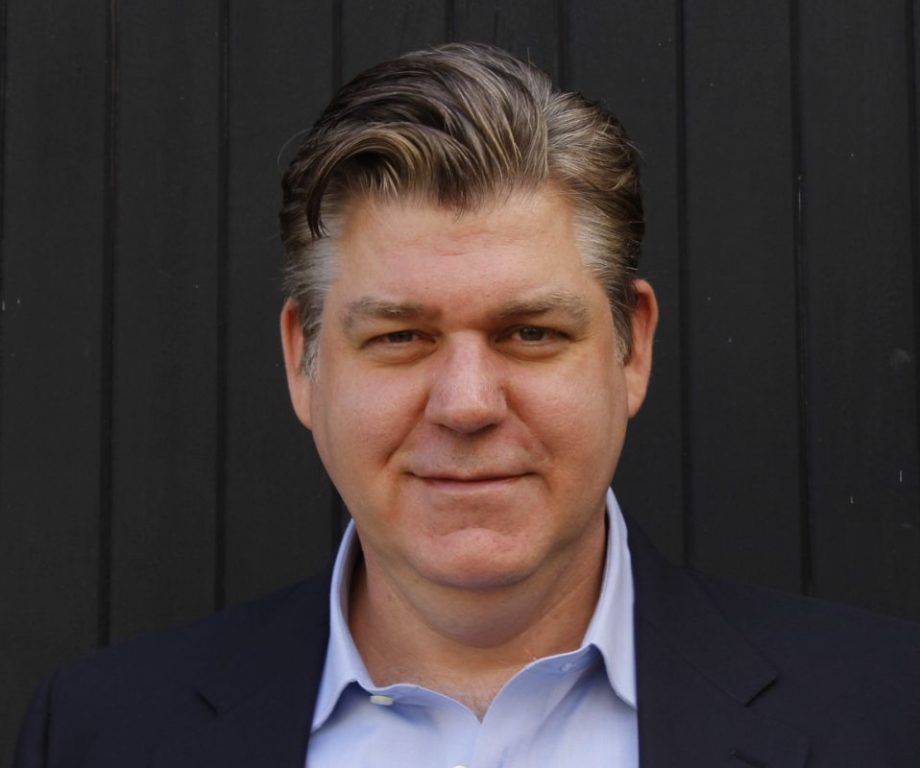
Founder & Executive Director; Worldwide Ambassador, World Food Travel Association
Erik Wolf is recognized as the founder of the modern food tourism industry and the World Food Travel Association. He is a highly-sought speaker, thought leader, strategist and consultant, in the US and abroad, on food and drink tourism issues, and is considered the go-to resource on food and beverage tourism for a wide variety of media outlets that include CNN, the BBC, the Wall Street Journal, Newsweek, NBC, Forbes, Click by Booking.com, PeterGreenberg.com, Huffington Post, the Australian Broadcasting Corporation and many more. He advises leading global brands such as World Travel Market, Absolut, American Express, Disney, Marriott and Royal Caribbean, and organizations such as UNESCO and UNWTO. His articles, research and books have been translated into dozens of languages.