Food Safety at Events: How to Balance Prevention, Compliance and Guest Trust
Event food safety is more than keeping up with recalls—it's a daily, strategic practice tied to compliance, prevention, and guest trust. I sat down with Doug Davis, who spent 17 years leading food safety for Marriott globally, to break down what planners can (and should) be asking for, how recalls get managed behind the scenes, what laws affect allergens, and why transparency and standards really do move the needle for guest safety.


Heard on the Episode
“The first thing they have to— they’re required to notify the direct customers first, which means...long before the FDA or USDA publishes a press release, they have to notify their customers. So it goes downstream.”
— Doug Davis 02:31
“Make sure that the hotel has a food safety management plan...are you third-party inspected? Do you have a food allergy and, you know, training?”
— Doug Davis 12:29
“Temperature abuse is one of the biggest causes of outbreaks.”
— Doug Davis 14:54
“Ensuring all employee illness policy is present and implemented...the best thing to do is paid sick policy. You’d be surprised, most companies don’t have that.”
— Doug Davis 15:58
“The more you raise your standards bar when you do these contracts...the more the venues raise their standards.”
— Doug Davis 44:31
Key Topics
-
Food Recall Management
-
How notification flows from suppliers/distributors to hotels.
-
Operational steps to identify and remove recalled items.
-
-
Event Food Safety Standards
-
Importance of food safety management plans and third-party inspections.
-
The role of temperature control, allergen labeling, and illness policies.
-
-
Allergen Laws and Compliance
-
Changing regulatory landscape for allergen labeling (Big 9 and beyond).
-
Variations in state vs. federal enforcement and how that impacts guests.
-
-
Effective Communication and Transparency
-
The planner's role in initiating safety conversations.
-
What to do when hotel staff don’t know the answers.
-
-
Global Perspective
-
Differences in allergen protocols between the US and EU/UK.
-
Financial and cultural pressures affecting compliance and buy-in.
-
-
Risk, Legal Liability, and Lessons Learned
-
When mishandling leads to legal action—and how to avoid it.
-
Importance of learning from past cases and updating SOPs.
-
Takeaways
-
Hotels receive recall alerts before the public, but planners must press venues about how recalls are actually handled on-site.
-
Event food safety starts with having and enforcing strong, written management plans and a robust illness policy—including paid sick leave.
-
Mandated allergen labeling and staff allergen training are critical, especially as new state laws roll out and federal codes update.
-
Relying only on health inspection scores or government oversight isn’t enough—planners must demand documentation and transparency.
-
Raising your own event standards directly influences hotels to do better and moves the whole industry toward safer practices.
Tips for planners and suppliers
-
Ask hotels directly for their food safety management and HACCP plans—request to see copies and training records.
-
Insist on clear allergen labeling on all self-serve and buffet items, and confirm staff are trained on the current Big 9 allergens.
-
Include specific food safety and allergen protocols as non-negotiables in your banquet event and catering contracts.
-
Check the venue’s employee illness policy and sick leave provisions—don't assume handlers or chefs can call out sick without penalty.
-
Debrief post-event to review labeling, safety incidents, or close calls, and use documented feedback to raise standards with future venues.
Like what you heard? Subscribe to our newsletter for more episodes and insider content delivered right to your inbox!
Tracy Stuckrath [00:00:07]:
Hey everybody, and welcome to another episode of Eating at a Meeting. It is Food Safety Awareness Month, which I mentioned last week, and I am so excited to bring you my guest today, who I met 3 years ago. I think it's been 3 years.
Doug Davis [00:00:22]:
Mm-hmm.
Tracy Stuckrath [00:00:23]:
At a food allergy conference, we spoke on a panel together, and Doug Davis, with Socium Consultants, has spent nearly 4 decades keeping people safe at the table as a chef and as the Global Director of Food Safety for Marriott Hotels. 39 years at Marriott, 17 of them as the Global Director of Food Safety, responsible— this is mind-blowing— 33 brands, 87 hotels, and in 139 countries, and more than 10,000 restaurants. You're a chef by training, and you led the COVID-19 task force, wrote the hotel industry's first norovirus protocol, and helped accredit an allergen training program to 100,000 associates. And that's where we got the opportunity to chat about things. And so, and in 2003, he was named the National Restaurant Association's Food Safety Professional of the Year. And with Sokeem Consultants, he's helping the rest of us do this work better. Welcome to the show, Doug.
Doug Davis [00:01:24]:
Thanks, Tracy, and thanks everybody for being on this call today. I appreciate it. It's an honor to be here, and I would love to share what I know and have learned and the mistakes that I've made and share those with you guys so you don't make them. So—
Tracy Stuckrath [00:01:42]:
We appreciate that because it's— there's a lot going on right now there. I mean, with— we've had recalls tied to lettuce and jalapeños and blueberries. How does— and one food state, one food service company said to me a couple years ago that you all get those recalls before we hear them on the news. Is that right? And how do you manage those recalls in a corporate hotel environment?
Doug Davis [00:02:07]:
That's a lot of questions there, but I'll try to, I'll try to take them. So, I mean, right now, the 50 state health departments have reported almost 30,000 Cyclosporiasis cases.
Tracy Stuckrath [00:02:20]:
Wow.
Doug Davis [00:02:21]:
Yeah. Okay, so that's unusual. But, you know, Osteoarthritis and, you know, this Cyclospora is not unusual, but this seems to be. But yeah, when a company recalls a product, the first thing they have to— they're required to notify the direct customers first, which means broadliners, Distributors and so forth. So, yes, that's true. They— it long before the FDA or USDA publishes a press release, they have to notify their customers. So it goes downstream. So, okay, you know, the distributors will call, will send notifications out to their customers, which are the hotels.
Doug Davis [00:03:06]:
And then the, the person who usually gets that is somebody in purchasing. Shipping, receiving, purchasing. Maybe it's a chef, maybe it's a purchasing manager. They constantly are in touch with that. Additionally, there are services that, you know, you can subscribe to, like foodsafety.gov or recalls.gov or FSIS. And there's some paid ones and there's some free ones, which are really good. And those are instantaneous also. So then, I think your question has to do with what happens operationally and tactically immediately.
Doug Davis [00:03:43]:
And that is, you go and check lock codes, you check dates, you check your invoices and so forth. And then you notify culinary immediately. So then they, you know, everybody's aware of it. So there's always somebody in the storeroom, in the food storeroom or shipping receiving in the back dock. And they will always get those. I'm pretty confident they will always get those.
Tracy Stuckrath [00:04:07]:
Okay. Okay. And yeah, go ahead.
Doug Davis [00:04:11]:
When it comes to big companies like Marriott, we rely on group purchasing entities like Avendra, FoodBuy, Premier, platforms like big broadliners, and like Sysco and US Foods and Dot Foods. However, all the hotels don't buy from them. So we're, we're thinking, okay, US Foods is going to notify all of our hotels. That may not be the case. So at corporate, we also have to track it. And so if we have franchise people and so forth, they might not get those notices. So we have to have infrastructure available to address that as well. And so we'll send out urgent emails to like a franchise advisory board in food and beverage.
Tracy Stuckrath [00:05:04]:
Okay. Okay.
Doug Davis [00:05:05]:
So Marriott has, I don't know how many they have now, hundreds of franchisees. So you send all those out. So companies do it. There's a myriad number of ways that companies will handle recalls. And so nothing kind of slips through the cracks.
Tracy Stuckrath [00:05:21]:
Okay. And can I say like the Taylor Foods one, is that, is that more retail than broadline or is it, are you getting stuff from them?
Doug Davis [00:05:31]:
Yeah, it's more, it's more chain restaurant.
Tracy Stuckrath [00:05:34]:
Okay.
Doug Davis [00:05:34]:
You know, it's— I think it was iceberg lettuce, but only 9,000 of those were attributed to Taylor Farms iceberg lettuce. And there were many, many more. There were like 7 clusters of cyclospora. So, and, and I think like 24,000 of them are still not being investigated.
Tracy Stuckrath [00:05:58]:
That's just mind-boggling. And they're not being investigated Because we've—
Doug Davis [00:06:03]:
So I just got this. If you want to follow Marler Clark, Bill Marler, the famous Jack in the Box attorney from 1995, I just got a notice from him. 24,350 confirmed and awaiting investigation.
Tracy Stuckrath [00:06:21]:
Wow.
Doug Davis [00:06:23]:
And so it's just incubation or onset for a parasite like that is 7 to 10 days.
Tracy Stuckrath [00:06:33]:
Right.
Doug Davis [00:06:34]:
So there's, there's always going to be a lag. So I think the folks on the, on the call should understand the difference between an, you know, an outbreak and a recall. Completely different. Outbreaks have a, a, a long period where the public doesn't know there's an outbreak because you have to have confirmed laboratory cases, you have to have genetic matching, and then Regulatory is always afraid of implicating the wrong food or implicating a company which could have tremendous blowback for them politically and otherwise.
Tracy Stuckrath [00:07:10]:
Right.
Doug Davis [00:07:11]:
So, but recalls are much quicker because the company, the manufacturers must do that. It says involuntary recall. When you see involuntary recall, it's not. They have to do it.
Tracy Stuckrath [00:07:25]:
Okay.
Doug Davis [00:07:25]:
So yeah, so it's much quicker and, you know, hotels find out much faster and are able to pull. But in much— my experience has been that these distributors already are, you know, pull these off the shelf. And if you just happen to get one, get a box of blueberries or something like that, you may have 1 or 2. And then they'll tell you exactly, destroy it, get credit for it. They'll tell you exactly what to do with it, isolate it. And then as a hotel, as a, as an operator, you have to disinfect, you have to segregate, disinfect. You have to do other stuff too.
Tracy Stuckrath [00:08:05]:
Right.
Doug Davis [00:08:05]:
You can't just take it off, you know, take it off the buffet. You know, you have to take some additional measures.
Tracy Stuckrath [00:08:15]:
So Well, that's good to know.
Doug Davis [00:08:18]:
You can get me really going on some of this stuff. But so that's kind of how it works within that. Within like grocery stores, they, you know, you might get an email from Wegmans like, hey, we, here's a recall and you bought this. And that's happening more and more.
Tracy Stuckrath [00:08:36]:
Okay.
Doug Davis [00:08:37]:
And the other thing maybe we should mention is that there's going to be a food traceability, there's a food traceability rule that goes into effect in 2028, where restaurants must maintain a written food traceability plan, and they must keep records of where their food came from in case there is recall, or in case there is foodborne illness outbreaks. And an outbreak is simply defined as 2 or more people experiencing that, experience or consume the same food. That have gotten sick. That's the definition. That was Marriott's definition as well. And so my responsibility was to manage foodborne outbreaks. And the biggest one is norovirus, and it always has been and probably always will be because there are many, many strains. There's no vaccination and so forth.
Doug Davis [00:09:33]:
And we used to call that the 24-hour vomiting thing, which in actuality, that was norovirus.
Tracy Stuckrath [00:09:41]:
And I remembered, you know, on a conference call when we were planning for that panel discussion, you're like, I jump on a plane when something happens. You're going to those venues and, you know, as that safety director, right, to help them deal with it.
Doug Davis [00:09:56]:
I mean, you would be surprised. Seasoned general managers in tears.
Tracy Stuckrath [00:10:02]:
Really?
Doug Davis [00:10:02]:
You know, you've got 25 years in the hotel business and you're in, you're completely broken down because you have a foodborne outbreak and you don't know, you, you, you, that's not in your training. What do you do?
Tracy Stuckrath [00:10:14]:
Right.
Doug Davis [00:10:15]:
And so that's where we come in. And I'm just like a conduit between risk management, occupational health, and insurance, and legal. And so I put them in touch with all those folks and then manage the outbreak that way. And be as transparent as possible with all the entities and with guests and customers while protecting their, their, you know, their personal information as well. So you kind of have to walk a tightrope.
Tracy Stuckrath [00:10:48]:
Right, exactly. And with health data information and personal health information. All right, Joan Eisenstadt just posted on LinkedIn here saying, how should planners learn who to ask and what's the chain to get to get to customers. With Taylor Farms, it was made known about by Taco Bell. Like, so when we're as an event planner coming in, you know, and we're contracting with XYZ Hotel, is this— does the CSM know? And is the CSM supposed to go then talk to the chef and ask? I mean, how— what's our— what should we be asking hotels?
Doug Davis [00:11:26]:
I think it's like I was talking to somebody yesterday about their health and I said, you know, the These days you have to use AI and other things and you have to kind of manage your own health and go to the doctor and tell them. So it's the same way here. You would take, you would do, you know, you go to your catering sales manager or whatever and say, hey, I heard this and heard that. And they need to do due diligence because hotels are obliged to protect public health because they are, you know, a meeting place for people. So do that. They don't, you know, salespeople don't really follow that at all.
Tracy Stuckrath [00:12:03]:
Right.
Doug Davis [00:12:04]:
So, but, you know, what you should do is make sure that the hotel has a food safety management plan. You know, and they're, they know they, they have a HACCP plan and, you know, they have training and all this stuff. So that's what I would ask first. And I would say, hey, do you have a food safety management plan? Are you third-party inspected? You know, that kind of thing is what a meeting planner should be asking. And do you have a food allergy and, you know, training? Or, you know, are you folks familiar with X, Y, and Z? And same if you go to buy a new car, right? There's questions you ask, you know, right? What I would do.
Tracy Stuckrath [00:12:55]:
And would actually— would asking the health inspection score be helpful as well? Because— and but I do know that like the restaurant health inspection score, does that go with the hotel itself or are those separate?
Doug Davis [00:13:05]:
So every licensed food outlet has— every permitted outlet has an inspection score, and that's public record. Now, okay, if the hotel should have that, you know, chain restaurants have to post them. So there's federal— there's no FDA food code requirement to post them.
Tracy Stuckrath [00:13:29]:
Okay.
Doug Davis [00:13:30]:
However, states and municipalities and other jurisdictions do require you to post them. So they should have that. So that's a good thing to ask.
Tracy Stuckrath [00:13:39]:
Okay. And I always suggest planners to also ask who on your team is— how many, how many team, how many people and who on your team has their food handler certification and the allergen training program? And I'm always now asking every Marriott, have you done the MLS training on allergens? And some are like, what are you talking about? And actually, Chef from JW San Diego told me to tell you hello. Ben, Chef Ben. I just said he— and I was asking him questions and he's like, by the way, Tracy, we've gone through the Marriott's allergen training program. I'm like— He goes, I knew you were going to ask me that. But I mean, those are all good questions that maybe that hotel sales manager or the catering manager doesn't know.
Doug Davis [00:14:27]:
Right? Yeah.
Tracy Stuckrath [00:14:28]:
Or event manager.
Doug Davis [00:14:30]:
So I think I read this where you said 3 non-negotiables.
Tracy Stuckrath [00:14:33]:
Mm-hmm.
Doug Davis [00:14:34]:
And my 3 are food on display need temperature control or time in lieu of temperature tracking. So these are all temporary buffets, and a lot of, a lot of food is not temperature controlled. So there's a 4-hour and a 6-hour rule that you have to follow if you're you know, in the business. So that is one of the— temperature abuse is one of the biggest causes of outbreaks. And then the second one for me is food served on self— food self-served or served must be identified by any— if there are any of the Big 9 in there, allergens must be identified. Well, that's in the 2022 code.
Tracy Stuckrath [00:15:17]:
Mm-hmm.
Doug Davis [00:15:18]:
But There are only a few states that have adopted that code.
Tracy Stuckrath [00:15:21]:
Yep.
Doug Davis [00:15:22]:
So, as more states adopt that, they're going to have to displace that. And as you know, California, July 1st, just started enforcing a law that all restaurants in California have to identify major allergens.
Tracy Stuckrath [00:15:36]:
Right.
Doug Davis [00:15:36]:
So, that's gonna— and there's 4 or 5 other states that are considering that. I track that kind of thing for another company I work With, and that's— it's going to become bigger and bigger. And my 3rd non-negotiable is ensuring all employee illness policy is present and implemented. Do you have an employee illness policy? That's where folks get sick.
Tracy Stuckrath [00:16:02]:
Okay.
Doug Davis [00:16:03]:
You have transmissible pathogens. If you don't wash your hands, that is a big way to have a foodborne outbreak. So, You have, you have to have a sick policy. You get on the sick policy. The best thing to do is paid sick policy. And you'd be surprised, most companies don't have that.
Tracy Stuckrath [00:16:21]:
Really?
Doug Davis [00:16:22]:
They're not paid sick. You can call out and say you're sick. That goes on your PTO, you know, vacation time. But a lot of them don't have the sick, and they, and food handlers think they have to show up. It is still a paradigm in the industry. That you just work as a chef.
Tracy Stuckrath [00:16:40]:
Right.
Doug Davis [00:16:41]:
You just come in and work. It doesn't matter if you're sick. There's nobody else to call in to do over-easy eggs.
Tracy Stuckrath [00:16:48]:
Right.
Doug Davis [00:16:49]:
Because you're the only one that can do over-easy eggs. So that's kind of still how it works. And it's—
Tracy Stuckrath [00:16:57]:
That's kind of crazy. Yeah. That's— I mean, and I love the idea of the paid sick. And I'm sure that's probably somewhere in cities that have union contracts. that they get paid sick leave if they do that, but other ones might not. That's a good question to ask.
Doug Davis [00:17:19]:
Yeah.
Tracy Stuckrath [00:17:19]:
So Joan asked another follow-up question. Do they have to now, given the cutback in regulatory people and Maha? I think that was related to, you know, the recalls. I mean, are we self-regulating a lot more now, or are hotels doing that?
Doug Davis [00:17:36]:
No.
Tracy Stuckrath [00:17:37]:
No.
Doug Davis [00:17:38]:
If you didn't do it before, you're not doing it anymore now. I mean, I think there's 20,000 FDA folks laid out— laid off in 2025.
Tracy Stuckrath [00:17:48]:
Wow.
Doug Davis [00:17:49]:
And another 3,000 this year. And that doesn't count FSIS and CDC and others. So, I don't know that you could make a correlation that the food supply is any less safe. But you could certainly say that the management of recalls and outbreaks is less. That's what I would say. Because I just told you there were many investigations ongoing, and they just, they just don't have the bandwidth to do that.
Tracy Stuckrath [00:18:19]:
Right.
Doug Davis [00:18:20]:
I think that, you know, there's— the regulations are still in effect. I mean, you have to have— you have to have an FDA USDA inspector for every, you know, meat processing facility, and it still has to be inspected and still has to be tested, so forth and so on. But when you get to the hotel level, you have to have a HACCP plan, you have to have a food safety management plan, you have to have logs which validate what you're doing.
Tracy Stuckrath [00:18:49]:
Right.
Doug Davis [00:18:49]:
And so those are the kind of things. And if you're doing that and in the, in the environment today, you just do it more. Right. Okay. You have stand-up meetings. You talk about food allergens. You talk about, hey, there's a cruise ship coming in with a norovirus outbreak and we're a port. We're, you know, we're—
Tracy Stuckrath [00:19:09]:
Yeah.
Doug Davis [00:19:10]:
You know, you just, you don't just talk about, hey, how's the mashed potatoes? Are they lumpy today or not? You talk about training. You talk about what's happening. You talk about outbreaks. You talk about all that stuff every Time you have a— every time you have food service, you need to have a stand-up meeting and talk about it.
Tracy Stuckrath [00:19:31]:
And does that stand-up meeting talk about the front of the house and the back of the house? Do the stand-up meetings include everybody?
Doug Davis [00:19:37]:
Yeah.
Tracy Stuckrath [00:19:38]:
Okay.
Doug Davis [00:19:38]:
So typically stand-up meetings are about food. Here's the specials today. They put out some food. You can taste it. Servers can taste it. You know, seaters can taste it, whatever. you know, stewards, dishwashers can taste it, whatever they want. And they very seldom talk about anything else.
Doug Davis [00:19:58]:
It's quality. It's a, hey, we're going to be 86, you know, buffalo burgers because we only have 3 or 4 left or whatever.
Tracy Stuckrath [00:20:07]:
Right.
Doug Davis [00:20:08]:
But they need to be talking about outbreaks and recalls and food safety and washing your hands and, and so forth because of the turnover in the business. You always get new people and you need to lead by example.
Tracy Stuckrath [00:20:24]:
Yeah, well, and it— an allergen, like, just bring— because you mentioned allergens, and I'm going to say, Joan, I do have that list of the states. Um, I will put that— it's actually on my website a little bit. I'll send you the link to that and post it here about the, the states that have adopted the, the food codes for 2022 and the new ones coming out in 2027, correct, Doug?
Doug Davis [00:20:47]:
They say this year.
Tracy Stuckrath [00:20:49]:
This year?
Doug Davis [00:20:49]:
Okay. At the end of this year, I think. That's what they keep saying, but I'll be surprised.
Tracy Stuckrath [00:20:57]:
Okay. Well, and so, Joan, I'll make sure that you're updated on all of that and put it out here on LinkedIn too. But the allergen labeling thing, right? I was actually at a property recently and I posted it on LinkedIn a couple of weeks ago. Their labeling said, free of the top 8 allergens. And I said to the server or to the banquet captain, I said, well, actually, they're top 9 now. And he goes, what? I'm like, yeah, it's been like 3 years now. There's been— sesame has been on the list of top allergens. And so, he went back in and changed it.
Tracy Stuckrath [00:21:33]:
But I posted it on LinkedIn and people are like, well, what are the top 9? Like, most people don't even know what that is. And so, for a hotel to put that out on a label doesn't help anyone. Right. But how do we get people—
Doug Davis [00:21:46]:
I mean, gluten is not an allergen. It's an entire— I mean, people don't understand even the base. They don't know the difference between cross-contamination and cross-contact.
Tracy Stuckrath [00:21:55]:
Right.
Doug Davis [00:21:55]:
And that's the reason that allergen training has to be mandated, not only for managers, but for all food handlers. And most of the big hotel companies— I'm going to say some of the big hotel companies still don't have that. That—
Tracy Stuckrath [00:22:10]:
oh, I'm gonna 100% agree with you.
Doug Davis [00:22:13]:
That brand standard, they don't have it. And what they say to me is, hey, we do ServSafe, food, you know, food protection manager. No, that's not a food— it asks, you know, it teaches a few things about a few things, and that's it. And so you need separate course. And you don't need a big fancy one. You just need to know what, you know, how to, how to prevent, you know, an allergenic reaction in people and what it looks like. And, you know, how to, how to separate food and how to prepare food and what, what, what causes the— it's a protein in the food. That's all.
Tracy Stuckrath [00:23:00]:
Right.
Doug Davis [00:23:00]:
It's the protein. And, you know, protein stays in a fryer, protein stays in a toaster, and you just can't— if you're going to wash your drain and wash your fryer out between shrimp and fried zucchini, yeah.
Tracy Stuckrath [00:23:21]:
Right.
Doug Davis [00:23:21]:
But otherwise, you need a separate fryer.
Tracy Stuckrath [00:23:24]:
Yeah. I love it when I asked one hotel, It was the main restaurant in the hotel. And they— I said, do you have a dedicated fryer? And there are 2 different servers on 2 different occasions, 2 different days, same hotel. They're like, well, we sometimes do. I'm like, when we get busy, we, we end up using it. I'm like, so that's not a dedicated fryer. So that doesn't really help me in, in telling me if it's safe for me or not. I mean, it does tell me that it's not safe, right? Because you're not doing that.
Doug Davis [00:23:53]:
So hotels, um, one thing that as an operator, if you— if somebody has celiac, I mean, the symptoms are delayed, right? If somebody has a foodborne illness, you know, besides a toxin, you know, it's going to be— it's going to be a couple of hours, you know, before you get sick and you may be gone.
Tracy Stuckrath [00:24:17]:
Right.
Doug Davis [00:24:18]:
But with a food allergic reaction, it's within 30 minutes. There's no question about how you got that reaction. It's you. It's you in the restaurant. That's you. I mean, so, and you can die. So it's even, it's even more important that you have training for allergens as just as much as, you know, food pathogens anyway.
Tracy Stuckrath [00:24:45]:
So, well, and I love that you said that because I was chatting with one restaurant State Restaurant Association, and I was asking them about how they're implementing the allergen because they did adopt the food code. And they did say it's like 1-point deduction if they're not labeling. And they're like, but they're not going to come back. And I said, why aren't they going to come back and check it? And he's like, well, because we're more worried about the outbreaks than just that one person having an allergic reaction. But I'm like, You just said it, they could die right there in front of you or within, you know, 2 hours or whatever from eating your food. And you're more worried— and not to say this is bad, but somebody throwing up and, and pooping a lot. But yeah, how do we change that?
Doug Davis [00:25:32]:
I think it's getting better. I think with the Conference for Food Protection and people like Betsy from Menu Trinfo sitting on some of those ad hoc committees, that's how you get that into the food code. And it's improving, but it's not there yet. But it's getting better. I just think that there's still a mindset out there that, you know, it's kind of a choice you have. Like, you— it's your choice that you can't eat shellfish.
Tracy Stuckrath [00:26:05]:
Right.
Doug Davis [00:26:06]:
That's not true. It's like, it's food allergies and ADA.
Tracy Stuckrath [00:26:14]:
Right.
Doug Davis [00:26:15]:
Under the ADA umbrella. So, you know, it's a medical—
Tracy Stuckrath [00:26:19]:
And celiac, yeah.
Doug Davis [00:26:21]:
It's a medical condition and the operators in food service don't understand that.
Tracy Stuckrath [00:26:27]:
Right. Yeah. So I'm curious, from starting as a chef, you know, and then ending with Marriott as the, you know, as global leading global food safety, What changed your, you know, did your perspective change when you got that job, or how did it go through your career?
Doug Davis [00:26:51]:
Well, usually these things are personal, like your story. You know, you were diagnosed. So I taught at a culinary school, a pretty prestigious one. And back, I think it was in the '80s, We didn't have any food safety at all. There was no food safety course, and food safety wasn't even talked about.
Tracy Stuckrath [00:27:17]:
Wow.
Doug Davis [00:27:18]:
Yeah. And then as an instructor, I got— I taught catering, garde manger, banquets and catering, and garde manger. And I got sick. And so then I'm like, look around like we don't teach really that much food. Now it's changed. All the culinary schools now teach it. But back then we didn't teach it. So I got really interested and I got really interested in the science behind it.
Tracy Stuckrath [00:27:49]:
Okay.
Doug Davis [00:27:49]:
Not necessarily epidemiology, but, you know, kind of the microbiology of it and so forth. And I got really interested in that. And so when I went When I left culinary school, teaching culinary school, and went back to the hotel industry— I'd already been in the hotel industry. I went back, I focused in on that. And then when the job came up at corporate headquarters, I'm like, that's my job and nobody else is getting it. And by the way, I had to try out for that job.
Tracy Stuckrath [00:28:20]:
Really?
Doug Davis [00:28:21]:
Oh, yeah. There were others that I competed with to try out for that job. Questions and some, some cooking and what. It's very intimidating. You go up to Bethesda, Maryland, to headquarters, to Starfleet Command, and, you know, and you cook. And I just had to have that job.
Tracy Stuckrath [00:28:39]:
What did you— what do you think you did to make— to land you that job?
Doug Davis [00:28:44]:
Passion. That was it. Show up early, leave late, you know, eat, live, and breathe it. And, you know, do That's what you do. People can see it in your eyes, right? You interview if you really, you really can do this and you really— not that you can do it, but that you really want to do it. And you'll—
Tracy Stuckrath [00:29:06]:
right.
Doug Davis [00:29:07]:
You'll, you'll do what it needs. You'll do what you need to do to train yourself to be the best at that job. Yeah.
Tracy Stuckrath [00:29:19]:
Yeah. All right. Joan just said, please bring Doug back for more conversations. So, how can— well, I want to jump back globally and let's talk allergens globally-wise. So, the EU has had their regulations for 12 years now labeling the top 14 allergens.
Doug Davis [00:29:42]:
Yeah, Natasha's Law in the UK.
Tracy Stuckrath [00:29:44]:
Yep. And, Benedict's Law just came in effect, which is epinephrine in UK schools. Which is, unfortunately, all of these laws are based on kids dying, unfortunately. But, so we're kind of behind that. And, globally-wise, where's it going? Are we behind a lot of other countries still or is EU and the UK leading the charge across the board?
Doug Davis [00:30:13]:
Well, for instance, UK, they have 14 allergens. So you would think it would be harder to manage, right? But not necessarily, because I think to comply, to comply with their regulations is a bit easier than ours.
Tracy Stuckrath [00:30:30]:
Oh, really?
Doug Davis [00:30:30]:
Ours, oh, you have to list micronutrients and everything on this, these things, right? You have to— we, I think we go too far in terms of compliance. They don't. They just say, hey, you, you, you need to make sure customers understand what the allergens are. And for instance, in this baguette, wheat. So we're, we're going to catch up with what's happening now in the states, but it's only on the state level right now.
Tracy Stuckrath [00:31:03]:
Right.
Doug Davis [00:31:04]:
There's nothing going through Congress. It's all on the state level. But typically when California does something, It transits federally, but it takes a few years. So we'll be— but I think I don't, I don't want to wait till government tells me. I want, as a, as a, as a company or as a hotel, I want to do it first.
Tracy Stuckrath [00:31:27]:
Mm-hmm.
Doug Davis [00:31:27]:
I want to already do it. But unfortunately, when you talk about menu labeling and buffet labeling and all that, you— it costs money. And when you compound that by 8,000 hotels to 15,000 restaurants, it costs money. And the people who run hotels want to make money. The owners, the managers, they want to make money. And so when you're mandating— so when we mandated the allergen training for all food handlers in the whole company, I mean, you couldn't imagine the pushback that I got. Right.
Tracy Stuckrath [00:32:05]:
Really?
Doug Davis [00:32:05]:
You have senior leaders that will back you up. And this is always the— this is always what we talk about in these food safety meetings, is that senior leaders or CEOs, it's not on their level. Food safety is not on their level. It's just not. But you can ask the CEO of Chipotle after that outbreak what happened to him.
Tracy Stuckrath [00:32:28]:
Right.
Doug Davis [00:32:29]:
So it'll eventually catch up with you. I would, I would say do it first before the government tells you you have to do it.
Tracy Stuckrath [00:32:39]:
Okay, so I want to bring up the, the, um, the doctor who died in Orlando, um, from, you know, it was at Raglan Road restaurant on a Disney Springs property, and it is, it is settled out of court. I was really hoping to go to court in October and listen to it, um, But it has settled out of court, so we don't know what happened. I know there was like 2 years of discovery that was happening.
Doug Davis [00:33:06]:
Mm-hmm.
Tracy Stuckrath [00:33:07]:
When I look, and it's kind of bringing the UK back in here, like, you see stories, or at least I see stories, that in the UK, like the restaurant that changed the peanut something in their recipe, they put peanuts in it instead and didn't tell anybody. They went to jail for it, for manslaughter. And here ours are settling out of court.
Doug Davis [00:33:30]:
Yeah. Well, the Parnell brothers went to prison for the peanut thing. That was that, but that was an anomaly. The peanut outbreak. They went to prison for the peanut. Well, they were just saying, hey, yeah, we tested positive for this, but we're going to go ahead and sell it. So yeah, they went, but you're right. It's very rare.
Doug Davis [00:33:52]:
But it's getting more common in Europe.
Tracy Stuckrath [00:33:55]:
Absolutely.
Doug Davis [00:33:56]:
And it should get even more common here.
Tracy Stuckrath [00:33:59]:
Right.
Doug Davis [00:34:00]:
You know, if there's, if there's provable negligence, how is that different from any other law?
Tracy Stuckrath [00:34:08]:
Right.
Doug Davis [00:34:09]:
You know, you're, you're— that you're not protecting public health.
Tracy Stuckrath [00:34:14]:
Right.
Doug Davis [00:34:15]:
And, and you're— it's It's, uh, if somebody dies, it's manslaughter. It's still manslaughter if you're responsible for, or even partially responsible for it, right?
Tracy Stuckrath [00:34:28]:
Well, and even—
Doug Davis [00:34:28]:
it doesn't happen, right, very often.
Tracy Stuckrath [00:34:32]:
But even the one in California where Dominique Brown— Dominique, yeah, Brown— who passed away from at an event, and she had communicated her allergies in advance, it was hoopla for a whole month talking about her death and what happened, and then It is gone, Doug. And the coroner's report, because I looked it up, it says did die from anaphylaxis reaction. But the story disappeared. I'm like, they had to—
Doug Davis [00:34:57]:
I'm not familiar with that, I have to say. Okay. I'm not familiar with that one. But the family, if they hire a good lawyer, it typically still doesn't equate to jail time.
Tracy Stuckrath [00:35:12]:
Right. Yeah, unfortunately.
Doug Davis [00:35:14]:
And if it would, I mean, you'd see less of it and there'd be more people trained and so forth. It'd be more serious. But, uh, yeah.
Tracy Stuckrath [00:35:23]:
Um, okay, so on one— I, I recently did an event and it was a salesperson that said this to me, so I will clarify that it was not the chef from this property. But the salesperson said, well, we're not legally We don't legally— we're not legally allowed to tell you what's in our food. And I'm like, in my head, BS.
Doug Davis [00:35:47]:
What law is that?
Tracy Stuckrath [00:35:49]:
Right. I mean, you said it earlier, because as a food service provider, you're legally bound to protect your guests, right?
Doug Davis [00:35:58]:
So, I mean, do you know KFC's herbs and spices? That is legally protected. I mean, I guess, I guess that's an example. But when there's an allergen in that herbs and spice recipe, it has to be disclosed. There's a law, FALCPA, which, well, I guess that's a packaging labeling law.
Tracy Stuckrath [00:36:24]:
Yeah.
Doug Davis [00:36:24]:
FALCPA. That's a packaging labeling law. But you have to disclose, you have to be transparent and disclose any of the major allergens in your country. That, that's the law in most countries.
Tracy Stuckrath [00:36:39]:
Right.
Doug Davis [00:36:41]:
I mean, there are protected recipes, I guess. I mean, but if you're protecting a recipe and has an allergen in it and somebody has anaphylactic shock and dies, you're still responsible.
Tracy Stuckrath [00:36:56]:
Right. Right.
Doug Davis [00:36:58]:
And you're even more responsible because you didn't disclose it.
Tracy Stuckrath [00:37:01]:
Right. Yeah.
Doug Davis [00:37:02]:
You have more exposure. And that's where all the disclaimers come in about allergens. Like you said, the labels on a buffet said there's no allergens. We don't like to tell people to say there's absolutely no allergens in something, right? Because you got peanuts laying around, you know, the back of the house and stuff. You can't say that 100%, just like you can't say A chain restaurant once said, now we're the safe— since we had an outbreak, we're the safest and we're never gonna have another outbreak. Of course, they had one and they lost billions of dollars in market share. So you never wanna say you don't, you're completely 100%, unless you're doing testing, swab testing of environmental surfaces and making sure there's no cross-contact. And that's very, very difficult to do.
Doug Davis [00:37:52]:
You can do it. Right.
Tracy Stuckrath [00:37:54]:
Yeah, costly probably as well.
Doug Davis [00:37:56]:
But you never want to say that. So that's the fine line where lawyers are telling you one thing as an operator and your guests are telling you something else.
Tracy Stuckrath [00:38:06]:
Right.
Doug Davis [00:38:06]:
And so, you know, they're risk-averse. Every company has a risk management, you know, and so I fight that all the time.
Tracy Stuckrath [00:38:18]:
Right.
Doug Davis [00:38:19]:
Oh yeah, one of the big things that I fight. I said, we have to do— we don't want to test for X, Y, and Z because we might have it. I said, well, I want to test for it because we might have it, right? Yeah. So it's always a big battle.
Tracy Stuckrath [00:38:36]:
Yeah, why not test it and know that you have it so you can say, hey?
Doug Davis [00:38:40]:
Because then it's on the record that you have it, right? If somebody gets it It's on the record, you have it. Boom. It's a smoking gun.
Tracy Stuckrath [00:38:51]:
Yeah. I did in a program—
Doug Davis [00:38:52]:
We're the most litigious society in the world, the US.
Tracy Stuckrath [00:38:55]:
Totally.
Doug Davis [00:38:56]:
Totally. That's why.
Tracy Stuckrath [00:38:59]:
I did a program a couple of years ago and actually I'm doing one next year and a different program, but I have people with anaphylactic nut allergies for touch, not just consumption, but touch. And I— the one property in Texas, you know, who did not know about the Sergio Lopez Food Allergy Awareness Act, um, but I said, hey, I want to make my event completely nut-free. I just— they're like, well, we have nuts in the building. I said, I understand that, but I want nothing that comes out on my buffets to have any kind of nuts. And, and I told— and I said, I will tell this person, this attendee, that, you know, hey, it's not a nut-free hotel, but everything coming out— and they were comfortable with that, right? They understood. And I think people with food allergies understand that because no place is going to be free of their allergen unless it's designed to be that way. But if we take those precautions, we can help reduce that risk. Does that make— agree? Do you agree with that?
Doug Davis [00:40:02]:
Absolutely agree with that. You need to make every accommodation, just like ADA says. You make every accommodation you can to make sure that you're providing safe food.
Tracy Stuckrath [00:40:13]:
Right.
Doug Davis [00:40:13]:
So, can you guarantee? I just said you can't guarantee 100%. Well, you can't. But if you're doing— if you have a program in place and you're doing the right thing, and if the pastry chef makes a praline something and it's encased within a cake somewhere, And they go home and the function's at night. Well, as a, as a chef, you need to make sure you talk to that pastry chef before they go home and make sure there's no nuts in anything.
Tracy Stuckrath [00:40:49]:
Right.
Doug Davis [00:40:49]:
So those are the things that slip through the cracks.
Tracy Stuckrath [00:40:52]:
Right.
Doug Davis [00:40:53]:
And we call that lessons from losses. So not only do you look forward, you look backwards and see where Like, you're talking about cases. You look back and you see where, you know, things have fallen through, and you make sure those things don't happen.
Tracy Stuckrath [00:41:10]:
Right. Yeah. Like, what are your SOPs to make sure that that doesn't happen again?
Doug Davis [00:41:15]:
Exactly.
Tracy Stuckrath [00:41:16]:
Okay. So Inga said, it says, is there a website with EU allergen information? I will send you that. I do have it on my website. As well. I'll post that as a reply to you, um, to give it to you there. Um, Roseanne asks, not legally allowed. Yes, I laughed internally of that, that, that hotel said that to me. Um, no, I— the chefs actually were very, very good.
Tracy Stuckrath [00:41:44]:
You know, it's nice when the chefs respond to you separately than what the salespeople are trying to give you. And then Jenny just commented Doug, I have 2 venues wanting to charge for food labeling.
Doug Davis [00:41:57]:
I bet you do. When you start to pay those kind of things, it presents a precedent. Oh, XYZ paid for it, so we're going to start charging everybody for it. And then the word gets around to other hotels, hey, look at this new revenue stream. So don't pay it.
Tracy Stuckrath [00:42:19]:
Jenny, you heard it. Don't pay it. Don't pay it. And if it's becoming the law, yeah.
Doug Davis [00:42:25]:
You're not obliged to do that. They are.
Tracy Stuckrath [00:42:28]:
Right.
Doug Davis [00:42:31]:
You'd be surprised when you go to restaurants these days how much stuff you will charge. Look at your bill when you go to a freestanding restaurant and see what, uh, creative things you get charged for now. Because you know why? Because of inflation.
Tracy Stuckrath [00:42:47]:
Right, the cost of food.
Doug Davis [00:42:49]:
Yeah.
Tracy Stuckrath [00:42:49]:
Yep. Yep.
Doug Davis [00:42:51]:
So you can't blame them for trying, but, uh, you know, we— hotels lost the telephone revenue from the rooms.
Tracy Stuckrath [00:42:59]:
Yeah. Who—
Doug Davis [00:42:59]:
and they had to make it up, so they started charging for parking. 20 years ago, you never paid for parking at a— typically, unless you're in a big city.
Tracy Stuckrath [00:43:10]:
Right. And now it's $80.
Doug Davis [00:43:12]:
Yeah. And that and a resort fee and this fee, that fee. I don't even go to the pool and I pay a resort fee sometimes more than my rate that I'm paying per night because I get discounts. I'm in the Quarter Century Club, so I get free rooms once in a while. And then— but I pay $200 in resort fee.
Tracy Stuckrath [00:43:32]:
Wow. Well, and the resort fee includes using that phone.
Doug Davis [00:43:37]:
Oh, it does.
Tracy Stuckrath [00:43:38]:
It does, which sometimes people don't answer. Yeah.
Doug Davis [00:43:41]:
Oh, okay. Okay.
Tracy Stuckrath [00:43:43]:
Yeah. Like, if you want to use the phone in your room, you have to pay us $35 a night.
Doug Davis [00:43:47]:
Yeah.
Tracy Stuckrath [00:43:48]:
Okay. Oh, we could talk for hours. And so I would really love to bring you back another time to talk about more stuff. Um, but I want to be cognizant of your time. And, um, is there anything that you think we haven't covered that you want to touch on?
Doug Davis [00:44:04]:
No, I mean, I'm assuming they're mostly meeting planners or tour operators on the, on the, on the thing. And I, I think the higher you raise your standards bar when you, when you do these contracts, you know, banquet event order is a legal contract, by the way.
Tracy Stuckrath [00:44:29]:
Yep.
Doug Davis [00:44:31]:
So I think the more you raise your standards, the more the, the more the venues raise their standards. If you agree to substandard this and that, then that's going to be the paradigm going forward.
Tracy Stuckrath [00:44:46]:
Right.
Doug Davis [00:44:46]:
So that's what I would say. I would say just, you know, make sure that— I mean, in some cases you may have to pay a little extra if you want certain things that are legitimately costly. But I would say make sure that you have a set of standards and core values that you don't waver from.
Tracy Stuckrath [00:45:10]:
Well, which makes— which just brings all these things into my head about hotels that with just such poor standards on labeling, you know. I mean, the one banquet captain said to me, well, I don't really know how to use Publisher, so I'm just going to go in there and try to fudge it. And the labels came out like so discombobulated and it was hard to read. I mean, and I'm like, how is that your standard, like, for just standard labeling, right? If you haven't trained your staff on how to use the software that you're utilizing.
Doug Davis [00:45:42]:
Yeah. Um, so I would say complain about it because hotels, everybody keeps customer feedback, especially meeting. I mean, Marriotts have— you probably experienced this— they have a concierge person that shadows you, the meeting planner. And so you complain about that, and then they have a list of things that have the most complaints. Room temperature is one, always one of them. Billing is always one of them. Well, yes, why can't food labeling be one of them? And then you get better food labeling.
Tracy Stuckrath [00:46:17]:
Yeah, yeah. Well, and I have— I am now being hired, or I am hired by planners and corporations to come in and manage only the food and beverage for their people with dietary restrictions.
Doug Davis [00:46:29]:
Wow.
Tracy Stuckrath [00:46:30]:
So, yeah, I had a group of 4,700 and we had 500 people with dietary needs, not including the 175 people with kosher who follow kosher. And so it— but, and that was the one hotel that said, oh, well, not— we're not legally allowed to tell you what's in our food. That was one of the 3 properties. And I'm like, um, yeah, no. And my client stepped in and said, no, we've hired Tracy to manage this, and this is how we want things to go. And that's— and I'm not condoning— I'm like, please hire me if you want to, but that's the level that we have to go, I think, to say these are the standards what we want.
Doug Davis [00:47:08]:
Yeah, I think it's money well spent to hire you because again, you're talking about In the case of a celiac, severe discomfort for a long, long time, a possible death with anaphylactic shock, uh, you know, hospitalizations, you know. So yeah, I think it's extremely important.
Tracy Stuckrath [00:47:31]:
All right, I have 5 rapid-fire questions for you real quick if you're all right with that. First thing you cook when you get home from a long trip?
Doug Davis [00:47:40]:
Pasta.
Tracy Stuckrath [00:47:42]:
Comforting. Comforting?
Doug Davis [00:47:44]:
Yeah.
Tracy Stuckrath [00:47:44]:
Any special sauce on that?
Doug Davis [00:47:46]:
I think I like to say it's gravy, but I'll make big batches of just homemade marinara, and I call it gravy and put that on things.
Tracy Stuckrath [00:47:59]:
Okay, awesome. Best city in the world to eat in?
Doug Davis [00:48:05]:
Tokyo or Dubai.
Tracy Stuckrath [00:48:08]:
Okay.
Doug Davis [00:48:09]:
I'd say also, I would say Tokyo, probably.
Tracy Stuckrath [00:48:13]:
Or Tokyo.
Doug Davis [00:48:14]:
Dubai's also got food from every corner of every walk of the— and it's the cleanest, one of the cleanest places I've ever seen in my life. Even their garbage is refrigerated.
Tracy Stuckrath [00:48:24]:
What?
Doug Davis [00:48:25]:
Yeah, their, their back dock, their garbage area is refrigerated. Yeah. And you can eat off the street. Uh, Singapore is also a close second.
Tracy Stuckrath [00:48:35]:
Okay, awesome. Who taught you to cook?
Doug Davis [00:48:40]:
Uh, house— my, uh, family's housekeeper.
Tracy Stuckrath [00:48:44]:
Really?
Doug Davis [00:48:45]:
Yeah.
Tracy Stuckrath [00:48:45]:
Wow.
Doug Davis [00:48:46]:
We weren't very— we weren't rich, but we had my— both my parents were always working.
Tracy Stuckrath [00:48:52]:
Uh-huh.
Doug Davis [00:48:53]:
And my mother went to, uh, nursing school in New Orleans, and, um, she knew how to do Creole. And so I learned some from her and some from the housekeeper. So—
Tracy Stuckrath [00:49:06]:
Oh, I love that. That's very cool. Last sentence. Every meal should— finish that sentence.
Doug Davis [00:49:16]:
So every meal should be an experience, should be experiential. And how you create that is another 1-minute speech.
Tracy Stuckrath [00:49:28]:
Yes.
Doug Davis [00:49:28]:
You have to excite all the senses— sweet, sour, salty, bitter. You have to evoke memories. You have to— texture should be different, color should be different, you know, those kinds of things. Nobody's going to remember the chair they sat on, but they should remember your ragu pappardelle, pappardelle. You know, they should remember that. Hey, he— oh, we had pasta at his house and wow.
Tracy Stuckrath [00:49:59]:
That's awesome. I love that.
Doug Davis [00:50:01]:
Yeah.
Tracy Stuckrath [00:50:02]:
Okay, actually, there's one more question in here. ADA does not note that food allergies can be considered a disability if it limits a major life activity. I will—
Doug Davis [00:50:11]:
So they know more than I do, and then they're really into the verbiage and the language in the bill, but Well, it actually—
Tracy Stuckrath [00:50:22]:
in 2008, the ADA was amended, and that amendment added eating as a major life activity. So if you're— if you can't eat something because it will harm you or kill you, then you are considering a food allergy, celiac disease, etc., then that is actually considered and you're covered under the civil rights protection of the ADA.
Doug Davis [00:50:47]:
Okay.
Tracy Stuckrath [00:50:47]:
So I will send you— I'll give you some more information on that. There are some case laws about that. So it has been proven that way and it is considered that. So even though it doesn't actually say food allergy, it is considered a major life activity if you can't eat something because you will die from it.
Doug Davis [00:51:09]:
Got it.
Tracy Stuckrath [00:51:10]:
Yeah.
Doug Davis [00:51:11]:
I love to learn.
Tracy Stuckrath [00:51:13]:
Yep, I do too. And then Joan just wrote, that's assuming the group even knows, or like with all the issues of inclusion, usually Thought, not an issue, even with all your training. Yes, it is mind-boggling the things that we can talk about. Thank you so much for spending time with me.
Doug Davis [00:51:30]:
Thank you, Tracy. It was a pleasure.
Tracy Stuckrath [00:51:32]:
I will— when I'm back up in DC visiting my nieces, we need to go have some coffee.
Doug Davis [00:51:37]:
You got my number.
Tracy Stuckrath [00:51:39]:
I do. Everybody, thank you for tuning in. Doug, thank you so much for your being here today. And until next week, everyone, stay safe and eat Well, thanks. Thanks for listening to the Eating at a Meeting podcast, where every meal matters. I'm Tracy Stuckrath, your food and beverage inclusion expert. Call me and let's get started right now on creating safe and inclusive food and beverage experiences for your customers, your employees, and your communities. Share the podcast with your friends and colleagues at our Eating at a Meeting Facebook page and on all podcast platforms.
Tracy Stuckrath [00:52:19]:
To learn more about me and receive valuable information, go to TracyStuckrath.com. And if you'd like more information on how to feed engagement, nourish inclusion, and bolster your bottom line, then visit EatingAtAMeeting.com.
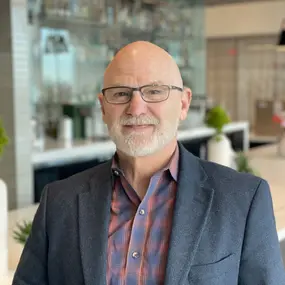
Food Safety/ Food & Beverage Innovation Expert, Chef, Teacher and Mentor
Doug Davis is an expert in food safety and supply chain protocols, recognized for his clear understanding of product recall procedures. He explains that when companies issue recalls, they must immediately inform direct customers—such as broadliners and distributors—before any public announcement by the FDA or USDA. These distributors, in turn, notify downstream clients, including hotels. Doug’s insights highlight his practical knowledge of both regulatory requirements and industry best practices, making him a trusted voice on food safety and public health topics.