How THE UK Events Industry Is Standardizing Dietary Needs Management
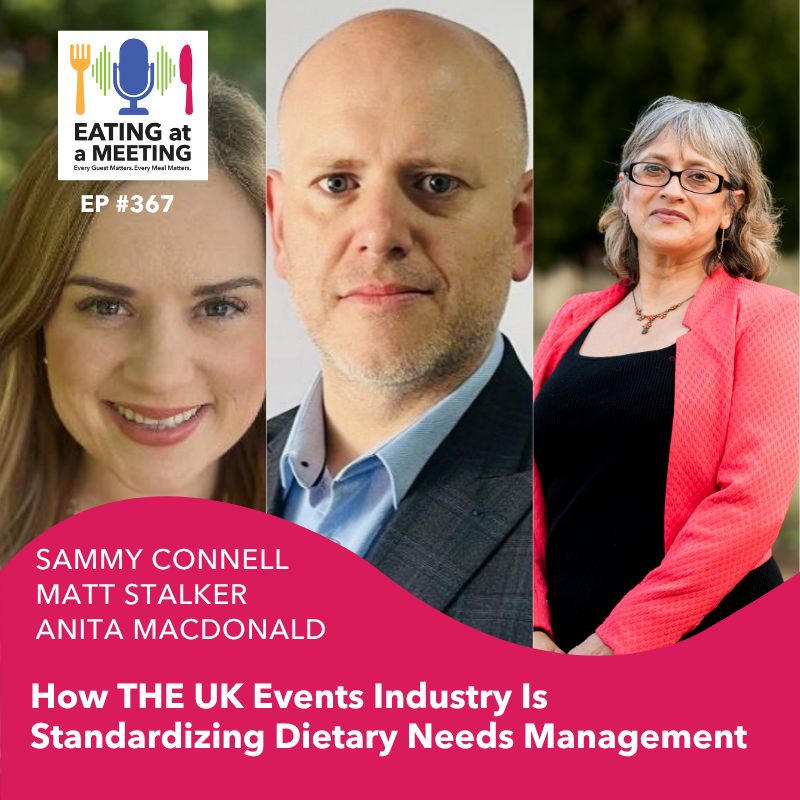
If you think dietary management is only about collecting meal preferences on a registration form, think again. This episode reveals how a collaborative UK task force is transforming the way events keep guests safe—from implementing legal dietary definitions to ensuring a trained champion is always on hand.
You’re responsible for 60 events a year, each with members, children, and high‑stakes dietary risks. Hear why UK organizers say it’s time to put egos aside—and put attendee safety first.


Here's something that doesn't get said often enough: the biggest food-allergy risk at your event doesn't start in the kitchen. It starts the moment your registration form goes live.
To kick off Food Allergy Awareness Week, I'm getting into exactly that — and I've got the right people at the table.
The UK events industry just launched something the sector has needed for a long time: the ABPCO Managing Dietary Requirements at Events Toolkit. A shared language. Standardized processes. A way to get planners, venues, caterers, and delegates finally on the same page.
I'm talking with the three people who made it happen — Anita Macdonald, who leads the ABPCO taskforce and translates dietary needs into kitchen reality at Cambridge's college venues. Sammy Connell, who manages 60+ conferences a year at NASUWT and lives the in-house organizer reality every single day. And Matt Stalker, Executive Director of ABPCO, who decided the industry didn't need another webinar — it needed infrastructure.
We're going to talk about where dietary communication actually breaks down, what it costs when it does, and what it looks like when you get it right. Safety. Inclusion. Delegate confidence. Operational reality.
This one is for every planner who's ever stared at a dietary request wondering what the actual risk level is. For every venue that's received a brief that left more questions than answers. For every delegate who's shown up to an event not knowing if they'd be able to eat.
Standing at the crossroads of growing dietary complexity and heightened attendee expectations, UK event professionals are joining forces to reshape how we manage dietary needs at events. Driven by frustration and missed marks, a collaborative task force—spanning venues, caterers, and organizations—has built a new open-access toolkit to close critical communication gaps and keep every attendee safe. The conversation focused on why dietary inclusion can no longer be a siloed afterthought, how legally protected terms like “gluten-free” demand precision, and the crucial need for trained culinary champions onsite. Speakers share challenges organizing dozens of events per year, the fear and risk they face, and the power of treating dietary safety as a non-negotiable duty of care rather than a “fussy eater” issue. From glossary guides and icon sets to real-world stories of allergen emergencies, this episode delivers actionable steps as well as a vision: events where every guest—regardless of allergy, intolerance, or belief—experiences safety, dignity, and delicious food.
Heard on the Episode
"Dietary was always coming up as a thing that we weren't able to nail…in our debriefs. We felt a huge sense of responsibility—not just for our members, but for their children too."
~ 05:31
"Once we ask the question, we've got to make sure we are responsible and responding to those questions."
~ 13:28
"The purpose of the toolkit isn't about having more processes. It's about closing the gaps of breakdown in communication."
~ 42:48
Key Topics Discussed
Building the Task Force
-
Industry-wide collaboration began from lived experience and a call for change.
-
Venues, PCOs, catering, organizers, and destinations united despite competition.
Process, Not Just Preference
-
Emphasis on legal definitions (e.g. "gluten free") and compliance.
-
Attendee dietary needs are a legal and moral responsibility, not a suggestion.
Toolkit Features
-
Glossary clarifying allergy, intolerance, lifestyle, and religious restrictions.
-
Dual checklists for both planners and venues.
-
Free icon set for universal communication.
-
Open resource—meant to evolve with industry needs and feedback.
Practical Solutions
-
Designated, trained dietary champions/chefs at events for real-time questions.
-
Contingency planning for emergencies (e.g. epinephrine/EpiPen access).
-
Comprehensive pre-event communication and transparency for attendees.
Culture Shift
-
Moving away from “fussy eater” stereotypes toward equity, empathy, and attendee well-being.
-
The business case: attendee safety, satisfaction, and loyalty impact event success.
Key Takeaways
-
Dietary Management Is a Legal and Moral Duty: Managing food allergies and preferences requires system-wide processes—not just good intentions—due to legal, safety, and reputational imperatives.
-
Collaboration Is Crucial: Effective solutions only arise when planners, venues, and caterers put competition aside for attendee safety.
-
Communication Prevents Crises: Robust, repeatable procedures and clear language (supported by resources like glossaries and icons) prevent misunderstandings and mishaps.
-
Onsite Safety Requires Trained Champions: Having clearly identifiable, knowledgeable staff available is key to real attendee trust and risk mitigation.
-
Start Small, Build Over Time: Even adopting one or two best practices from the new toolkit can have a material impact on guest safety and inclusion.
Tips
-
Embed dietary questions into registration, differentiating allergy, intolerance, lifestyle, and religious needs.
-
Share full menus and allergen info in advance—empower guests to make safe choices.
-
Always have a trained kitchen/catering contact onsite—and visible—to answer dietary questions.
-
Create and continually update contingency plans for dietary emergencies.
-
Regularly solicit and act on attendee feedback—it keeps your procedures current and effective.
Like what you heard? Subscribe to our newsletter for more episodes and insider content delivered right to your inbox!
Tracy Stuckrath [00:00:00]:
And welcome to another episode of Eating at a Meeting. And actually the 2026 Food Allergy Awareness Week here in the U.S. those in the UK celebrated it a couple of weeks ago but I am so excited to bring you three UK event professionals who are working to standardize dietary needs and management and I'm excited to talk to them about what we're doing. To my left I guess is Anita McDonald who leads the ABCO. And now I'm now Association of. Tell me what it is Matt.
Anita McDonald [00:00:45]:
Association.
Matt Stalker [00:00:46]:
Association of British Professional Conference Organizers.
Tracy Stuckrath [00:00:49]:
British Professional abco. This task force that has put this together. But, but she also works for Meet Cambridge. And then Matt who just kindly answered the question about his own association. Sorry about that. The association of British Professional Conference Organizers. He is the executive director of that organization. And then below me is Sami Connell who manages 60 plus conferences a year at NASUIT and lives the in house organizer reality every single day.
Tracy Stuckrath [00:01:24]:
Welcome to the show everybody.
Anita McDonald [00:01:28]:
Thank you.
Tracy Stuckrath [00:01:30]:
So and in one of my posts, and I think the post that I put on there and or even my conversation to you all is that I really kind of want to delve into what this task force is and I actually realized that it was a year ago today or this month that Claire beach was from Azure Meetings was on the show talking about her food allergies that she has but also talking about trying to put something together to organize what this means for the industry. And now we're here a year later talking about it and I'm so excited about that. Kudos for all of you joining in and supporting that. But what prompted you all to join Claire in this conversation? And Matt, I know you're new to the organization but how did ABCO get involved in this and did Claire approach you guys directly?
Matt Stalker [00:02:22]:
I'm going to defer that one to Anita and Sami because this one would have predated my arrival in terms of where this started. Anita may be best placed.
Anita McDonald [00:02:30]:
It was Claire. And I do want to recognize and acknowledge that Claire actually picked this topic up as, as a professional conference organizer and as somebody who has lived experience of dietary requirements. She put a call out to the ABCO membership with which included Sammy and I and I think about a dozen other people that responded to Claire's request where she sort of said, you know, I think we need to do something around dietary requirements. And it came off the back of another project that Claire and I had been involved with around neurodiversity at events and putting the checklist together. So Claire, I think Claire had gone to an event. She'd not had a great experience around managing her dietary requirements and she took the mantle and just thought, I can either never go to events again or I can be part of a system that can change it. And that's where the drive came from. And ABCO facilitated that because it's a membership not just for professional conference organizers, but it includes venues and destinations and caterers.
Anita McDonald [00:03:48]:
So it was everybody across the event journey or the event supply system that came together and we all recognized the same thing. We were all well meaning, but we're all working in silos and there was no joined up thinking. So having the task force meant that we all came together and we all collaborated and a little bit we all put our egos aside because there is an element of competition we're all trying to win event business. But it was actually, this topic is bigger than any of us. This isn't about us, this is about the attendees. And that's where being members of AGCO actually facilitated that. And we all came together and said, yeah, we, let's do some joined up thinking and let's create something that will manage dietary requirements for everybody across the whole event journey from beginning to end. And that's how it came about.
Anita McDonald [00:04:43]:
Sami, I don't know if there was anything you wanted to.
Sammy Connell [00:04:46]:
Yeah, no, I think you've hit the nail on the head. And I think from an organiser perspective, we're always looking at ways that we can improve, you know, our sort of delegates experience. And I think for nswt, which is a teachers union, we have a really large membership and we have lots of events happening but we also have teachers attending, but we also have their children. So we're also responsible for the members experience and their directories, but also their, you know, most prized possession, which is their children whilst on site with us. So we're always looking at ways that we can improve our member experience and Dietary is ones that we've struggled with over the years and it has been, dare I say, hit and miss, depending on the venue that we're working with, depending on the service that we get, depending on the staffing on the day. So we, you know, in our debriefs, Dietary was always coming up as a thing that we weren't able to nail. You know, we've won awards for industry awards for the work we've done around accessibility and edi. So when this came up, the whole team jumped at it and was like, can we be part of this? Can we help shape the narrative? And I think from a personal perspective, I'm dairy intolerant and my husband's a diabetic, so it's important that he eats at certain points of the day and it's important I don't eat certain things.
Sammy Connell [00:06:01]:
So from a personal perspective, I also had an invested interest. So it was great that abco, with the launch of Claire and Anita as well, were very much at the forefront of driving this task force and getting off the ground.
Tracy Stuckrath [00:06:14]:
Well, and participating in it in some of the calls myself. I love the fact that there were big venues, there were small venues, there were planners, you know, I mean, it, it was a wide gamut and it's, it's interesting to listen to because some of them work for some of the big food management companies, right, the venue management companies, and they were saying this is what our process is and, and providing guidance to that. And I loved that because it is. Actually somebody said to me the other day, and I think I mentioned this on the show a couple weeks ago, but somebody was interviewing me to speak at their event about this topic, dietary needs. And she's like, well, in the end, isn't it just up to the person who's the diner? And I'm like, yes, if you put a plate in front of them, they need to make the decision. But you as the event organizer have a responsibility, as with all your vendors that you work with, it's not just, hey, this person's like, because you're ordering the food for them, right?
Anita McDonald [00:07:18]:
Yeah, I wouldn't say it's just on the diner actually. It starts right at the very beginning of any event, you know, before you even start planning your event, you know, when you start creating your registration form, there's, you know, what dietary information are you collecting? Has this. And from a venue's point of view, has this event been run before? What dieteries were there before? And it's about having conversation and working together. Because in the uk, if somebody has an allergic reaction, a severe allergic reaction to a food, it is life threatening and it's, there is a duty of care and there is a legal responsibility and it's not just down to the diner. So organizations like Kit Medical have anaphylaxis pens on site and they do like an annual subscription. So in the uk, where you have a subscription to having fire hydrants in place, it's exactly the same process, but you're actually having EpiPens where you have these adrenaline pens. And this came about from conversations that I had with David Crow at Levy. So they're the, the big food caterer.
Anita McDonald [00:08:48]:
And do some of the massive UK sports events in the uk. And he's. And we talked about the adrenaline pens and he sort of said, you know, it's not just about having the adrenaline pen on that person. If they have a food allergy, sometimes that pen can be out of date or they've not brought it with with them. So he said that's why having a subscription or having something like Kit Medical, you know, those pens, if you need to administer them, administer them, they are in date. So it's. It's not the reliance isn't just on the attendee, it's on everybody. There.
Anita McDonald [00:09:28]:
There is a whole process to it, to making sure that somebody feels so. And it a re. A reaction. Allergic reaction can happen anytime, anywhere, any place. You don't even necessarily have to have had a reaction before. It can just come on from anywhere. So I think it's quite important, especially for venues and caterers to be aware of that antibiotic, potentially have adrenaline pens on site ready for those incidences.
Tracy Stuckrath [00:09:59]:
Well, a big shout out to Zach, who designed the company in college. And so I'm so excited and proud of him, of what he's accomplished with Kit Medical and his whole team. But you're right, and here in the United States we can. There are like, I think 36 states out of the 50 that allow places of public accommodation to stock epinephrine, but I don't think any of them do. So I love that Zach has done that and I love the fact that Levy and other venues are looking at that, because it is. Somebody could not have never know that they actually had a reaction to something, be allergic to something. And so I love that you brought that up, Matt. And I know you're new in all of this, but how has your participation in this since you've joined abco, you know, with the toolkit and the task force, and you had a session at the conference recently, what was the tipping point that you have heard from members and since the task force has been done that you really wanted to get behind this and stick with it?
Matt Stalker [00:11:07]:
Well, my background was also in events, so although I'm new to abco, I'm not new to events, so I've been on the journey, if you like, as an event organizer. So we've all seen over the years how this has got more and more complicated in terms of the list and the variations you get on dietary requirements and, of course, preferences. We haven't gone there yet. We've talked very much around the allergy side of things, but it's a much broader picture than that. So it's got a more complex world throughout my professional career. And it was something that is absolutely relevant to everybody that is part of apco. Anita's already talked about the breadth of our membership. We aren't just about the in house.
Matt Stalker [00:11:47]:
So the association, event organizers, it is the venues, it is the service providers, that whole ecosystem. And it was something that was going to be relevant to everybody at our annual conference, hence it being given this headline plenary swap. We wanted everybody to be there for and we really tried to make sure we built it into the conference in as much as this session came immediately after our own lunch break.
Tracy Stuckrath [00:12:13]:
Okay.
Matt Stalker [00:12:13]:
So we had to make sure that it was rather awkward if we'd not followed our own best practice guidelines we're about to release at this event. The venue we worked with, the East Midlands Conference Centre in Nottingham were fantastic. So they were briefed ahead of time. They wanted to know what these new guidelines look like, what the tool get involved, because they clearly want to make sure they did everything they could. And we had glowing feedback. So we made sure we practice what we preach. That was very, very important. It's just such an important area to all of our members, regardless of where they're working.
Tracy Stuckrath [00:12:50]:
That's so true. And. And it impacts all of us kind of going back to that thing, isn't it? Up to just to the diner. But it's not. I mean, when I paint money to go to your conference and you ask me that question, I'm making the assumption that you're going to do something about it.
Anita McDonald [00:13:09]:
Right.
Tracy Stuckrath [00:13:10]:
I think, yeah.
Matt Stalker [00:13:12]:
On a scale you've got nuts will kill me. Nuts may kill me. Nuts will make me very unwell. Nuts may make me very unwell. I don't like nuts. They're all perfectly valid responses. Obviously some are far, far more serious than others. But once we ask the question, we've got to make sure we are responsible and responding to those questions.
Sammy Connell [00:13:35]:
Yeah. And I think for me it's about the difference between we've noted your dietary requirements to we have a process how to keep you safe. I feel like they're the different comms that we're looking for, you know, that that's what we pride ourselves on. We have a process to keep you safe and we know that processes don't always work, but actually we have one. We try to make it as robust as possible and we're going to communicate that with you. And I think that's different that we've seen from the culture and the attitude towards the toolkit, I think before we were like, yep, you're vegan. Yep, you're this. Yep, you're that.
Sammy Connell [00:14:07]:
When now it's like, no, we have a process for keeping you safe. And I think that's where we've seen the change
Tracy Stuckrath [00:14:13]:
that's really important in a chef in Vegas. A friend of mine put out, I think it was him put out the other day. It's like, just because you have labeling on the buffet doesn't mean that you have a process or that's safety means safety. Right. It's all that stuff that's behind the scenes. And so, Anita, can you walk us through the system that's been designed in the toolkit, from the moment we designed the registration form. And then in that process, have you found anything that it's come into friction from any side of the, from any perspective of who's in the, in the, the wheelhouse?
Anita McDonald [00:14:57]:
Sure. So I think so just picking up on something that Sammy said. So one of the things that we've done is that we've created a glossary to, to actually make it clear when somebody says, and, and again, like you said, you know, a gluten free. Gluten free in the UK is a legally protected term. It's a legal term. You cannot claim something is gluten free unless it has less than, I think it's 25 parts per million of gluten in it. And it has to be confirmed by lab testing. You can't say this.
Anita McDonald [00:15:37]:
You know, I'm, I'm saying this is gluten free. You act, you have to have evidence to prove that it is gluten free. So as I said, we've, we've created this glossary and we've created a checklist. And what we've done is that we have one that's aimed well, One that's for PCOs and event bookers and planners to use, and then another one for venues and caterers to use. Because we wanted to have something that was across the journey and we wanted everybody to be speaking the same language. So hence that's why we had these two checklists and the, and this standardized glossary. We also recognized that for some of the venues and for the pcos in the event, because they may be having international delegates attending their event where English may not be their first language, or you have people who are neurodiverse. So we created a set of icons as well for everybody to use.
Anita McDonald [00:16:44]:
And I kind of want to say, as well, you know, these, these are free. Resources as well. It was important to us that these were free and that there was no firewall, because at the end of the day, food and drink is a basic human right. And as Sami said it, and math as well, if you get it wrong, it's the first thing attendees are going to complain about. So it was really important to us to get everybody on the same sheet and get everybody saying the same thing and working together. And as Matt said, the East Midlands Conference center, when we launched the toolkit, they worked with us to put a menu together. So they shared their initial ideas for the menu, and with discussions that we had, they tweaked it. And again, we.
Anita McDonald [00:17:30]:
We came at it as saying, you know, we're not saying that you've got to do every single point on this checklist. We're asking that just do one or two. If that's all you can manage, just do one or two, make a start and progress from that. Because those one or two basic changes will make a big difference to somebody. Feeling safe, feeling seen, feeling included. We've not had any pushback yet, from what I've seen, but we re. We do want everybody's feedback, and we want to know where the checklists or where the toolkit works for people, and predominantly where it's not. Because we want it to be a life source of resources.
Anita McDonald [00:18:16]:
We want it to evolve as time goes on and as technology evolves and as diets evolve as well. You know, as we. As we get older through the generations and, you know, and eventually we'd like to pass it on to the next generation of event professionals that are coming through, and they can keep this live document because everybody likes food, Everybody needs food and drink, whether it's at an event or whether it's at home or whether it's going to a restaurant where it's eating out. Everybody needs food and drink. And if this is something that helps people in the future, now and in the future to keep safe and feel included, then it's a good thing.
Tracy Stuckrath [00:18:56]:
I want to go back to Matt, because you did the session and you introduced it at the conference. What was the biggest takeaway from the attendees of that session? Did they think that it went well?
Matt Stalker [00:19:08]:
Yeah, I mean, the feedback we've had from the conference has been overwhelmingly positive. And this particular session, I haven't shared this with an etf, but I will. All truly positive. And also we obviously asked the delegates about the wider experience and the food we've served, and they themselves could see there was a link between what we did and what we said, and that was really important because we want to be leading on this. So the session went well. And I think the other thing that I would just throw in here, I think was really important, was one of the recommendations is that there is always somebody from the venue catering team, the chef, ideally, who's on hand when food is being served. So if people have got questions, they can go there. Because as event planners, we're wearing lots of different hats.
Matt Stalker [00:19:56]:
We're not always the experts, particularly the nuance of the dietary requirements. We don't always know the answer. You don't have to go and try and find that person, because by the time you've found them, you're 20 minutes into the lunch break, we're going back in and that person still hasn't eaten. So having that person there clearly identifiable as well, because having them there and lost in a crowd, that's no good. But having them there clearly identifiable, that makes a big difference. And like said, the venue we used really did buy into this. They could see the value in it and they wanted to be part of the launch.
Sammy Connell [00:20:29]:
Yeah, I think it's key to sort of. When people ask you questions, I'm really clear as I'm not in the kitchen, you know, I am only as good as the information that I've got in front of me. And I think having the chef or a designated sort of dietary person is really key to success because. And also having them trained and being confident in what they're saying. And, you know, we've all been there where you've had. Oh, I think that might be dairy free. I think that might be gluten. Yeah, I think that's vegan.
Sammy Connell [00:20:56]:
The word think is just not good enough, you know, And I think you need trained people that know exactly what's in there. And I'm really honest and say, I'm not in the kitchen. So that's not. It can't sit with me as the person to be given that advice because I'm the conference organizer, I'm not responsible for what happens in the kitchen.
Tracy Stuckrath [00:21:14]:
Right. Well. And I'm in the process of, Right. Coding menus right now for two upcoming events. And I can't do my job successfully without the person in the kitchen. And even. And nothing to diminish the value of that event catering, that event venue manager, they're not in the kitchen.
Sammy Connell [00:21:36]:
No. Yeah.
Tracy Stuckrath [00:21:38]:
So they need to know. They need the chef to answer those questions. And even one time I was doing menu coding and the chef had quickly written down things and I Had questions about it and the CSM took it back to the sous chefs. They're like, oh no, this is how it works. Because so even sometimes the executive chef is not even the one because they're not the ones on the line. Sammy, I want to go back or go because what you just said I think is really important. But you produce about 60 events a year, right? And I know because you, because of your dietary need and your husband as well, you've probably been in tuned with this. But before this existed, I mean I probably know the answer to this, but did managing dietary requirements actually look like.
Tracy Stuckrath [00:22:24]:
What did it look like across 60 different events that you did? And what was your biggest fear about getting it wrong? Which I think I know the answer to, but let's go ahead now.
Sammy Connell [00:22:35]:
Yeah, I think you probably do. It was really complex. There was lots of chasing, there was lots of spreadsheets, there was lots of double checking, there was a lot of pre coms with the venue. You know, most of our pre meet meetings were dominated by catering and you know, not focusing on our other elements because we were so at times paranoid that they were truly understanding what our needs are of our members, but also that we had children as young as, you know, three, four months old with us on site right the way up to 16 year olds. So we felt a huge sense of responsibility that not only did we have our members with us, our teachers, but also their children. And I think that's when it really feels tense responsibility and you know, it was also double checking and hoping that it met the right person and on the day spending a lot of time with that on site manager and trying to get in touch with the kitchen and understand and obviously our events tend to be a Friday night because they're teachers and a Saturday day. So we'd be crossing into weekend work, into shift workers, into different times. So we'd have a formal dinner on the night and then a conference on the next day.
Sammy Connell [00:23:37]:
So we were often having to repeat ourselves over and over again because the shift patterns would change and different, you know, managers would be back on again. And it wasn't always communicated that what we had said to the Friday night manager wasn't always communicated to the Saturday. And I guess our biggest fear truthfully, but being really honest wasn't that we wasn't going to be able to meet someone's dietary, it was someone quite frankly life or death situation. And our, we could see what our needs were and being, you know, we've got things like severe orange allergies, severe Chili allergies, severe garlic allergies. Now, these are things that are really common in hotels, predominantly that we're working in. And it was those. That was. I think that was our biggest fear, that actually we know that somebody potentially, if it all goes horribly wrong, might not be going home.
Sammy Connell [00:24:26]:
And that was our biggest fear. And I think that's why this. When it came about, we jumped on it because, you know, we feel that we've got a sense of duty, of care, as Anita's alluded to. You know, we all want our attendees fundamentally to go home safe. Yes, we want them to learn things and be engaged and, you know, be transformed in terms of their learning and development and networking. But ultimately, right, we want them to go home to their family safe.
Matt Stalker [00:24:50]:
And.
Sammy Connell [00:24:50]:
And I feel like that's where we've, you know, we've seen more and more in the news, the horror stories, and, you know, that actually that potentially could happen on your watch. So I think that's where we absolutely were sitting.
Anita McDonald [00:25:03]:
So I'm just gonna. Sorry, Trace. I was just gonna ask Sammy as well. So with the. With the toolkit, we've. We've included some lines within the PCO checklist and within the venue checklist about talking about, you know, if. So, you know, having a contingency plan if something goes wrong. What.
Anita McDonald [00:25:26]:
What is the, you know, what are the next steps? How are you going to react to it? Who's going to react it, who's going to do what? So there's none of this. If somebody does have an allergic reaction, momentary panic of, oh, my God, what do we do? It's having that open conversation and collaborate. And I think essentially that's what it comes down to is communication. Talk. Talk to one, you know, talk to your venue, talk to your caterer, talk to your professional conference organizer, talk to your event booker. We meet Cambridge. We hosted an event a couple of years ago, and one of the attendees said she was celiac and she was really worried about eating at the event. We hosted it at Jesus College.
Anita McDonald [00:26:11]:
So we just connected her with the chef and he created a bespoke menu for her and it completely put her mind at rest, so that when she attended this event, she knew what she was eating was going to be safe. And I. So he presented it to her as well. So. And it was all wrapped up. Now, I appreciate when you've got thousands of people attending, that might not be a feasible option, but I think, as Samuel mentioned earlier, have a dietary champion. Have some dietary champions around the catering stations who are knowledgeable and know what the dishes include and potentially having those conversations with the chefs as well. So, you know, going further back with the, with the chefs and the caterers.
Anita McDonald [00:27:02]:
So some of the colleges that I've worked, worked with and I've spoken to in putting this checklist together, their suppliers sometimes change their ingredients. So stock cubes, they might be using a vegetarian stock cube that has no celery in it and then they find out it's now got celery. And so it's, don't be afraid to have those conversations. You're not being a pain in the neck, you're not being obstructive. We're all trying to make sure that attendees feel safe and they feel included and that they have a good experience.
Tracy Stuckrath [00:27:37]:
Right. And I think it's an opportunity, I always love to say, I mean, for those venues, right. This is an opportunity to put more heads in beds, right. It's more, it's to create a new fan. And maybe they're going to come back to your venue where without the association, right? They want to come back because they were treated well, they were fed correctly, they didn't die. You know, I mean, and to me, and for a member of your association too, both of your associations, it's like, hey, this association values me and took care of me and I'm going to go tell my friends. Okay. Matt, you mentioned something briefly.
Tracy Stuckrath [00:28:16]:
There's a gap between special diet or lifestyle choice and a life threatening food allergy. And so this is kind of to all of you and it's operationally enormous. And I like to say, hey, if somebody tells me they're dairy free, I'm going to consider them that has a life threatening milk allergy.
Anita McDonald [00:28:35]:
Right?
Tracy Stuckrath [00:28:35]:
Just to make it easy across the board. But vegan is not the same as a food allergy. Right? So how does the toolkit help planners and venues triage that difference and how do you manage it? Because for me, and this is how I teach it, because food allergies and celiac fall under the Americans with Disabilities act as major life activities. So I put that question under the ada. So we know that it's, you know, do you have this? And then ask, do you have any other dietary needs or preferences? But does your toolkit do something? And do I need to change my processes? My thinking on that, again, these are
Anita McDonald [00:29:18]:
the discussions that we've had within the task force about how much detail do we go into it and what we've done is, and I think it's in, in the toolkit and it's Livia very kindly shared a registration document that they use. And what we've done is that we have a column for allergy. So life threatening allergy and intolerance. So I have a gluten free intolerance, I'm not allergic to gluten free. So if, if chefs are using a bread knife to cut bread, you know, the cross contamination doesn't bother me. It's just if I eat pasta and bread, I tend to bloat out. So I just have an intolerance. And then we've broken it down, I think it is into lifestyle, lifestyle, cultural and religious reasons and then no dietary requirements.
Anita McDonald [00:30:09]:
So it quickly and easily you can see where the allergies are, where the intolerance is. Because again, if somebody has an intolerance, whilst it's not life threatening, it can make them feel really uncomfortable again to the point where they don't want to eat and they may end up taking their own food and drink to an event. And again, if you have somebody who has an allergy, two nuts, and that's an airborne allergy, and you've got somebody who's brought in fruit and nuts because that's the only thing they can manage, they're putting somebody else at risk. So it's being able to see quickly where people fall in that allergy, intolerance, lifestyle and religious, cultural reasons. And it's people who perhaps are going through Ramadan, you know, and they may not, and they may be fasting, but it's not forgetting about them and maybe having grab and go bags. So at the end of the day when they can break fast, they have something that they can take with them or, you know, they can join at the end of the day and being mindful, it's just being mindful that of other people's needs outside of our own and showing empathy, I think.
Tracy Stuckrath [00:31:25]:
Yeah, 100%. I mean, and it takes me back to that conversation with Claire, who shared that experience, right, from last year, that it was not good and just the conversations that she heard, overheard, the lack of empathy from cowork or colleagues in the industry is really mind boggling, you know, and distressing at the same time. Because we are paying you money, right? We're giving you your money, you're giving, we're giving you our time. We want to come learn from you, Sammy. And this is the way that you're, it's, it's apathetic, right?
Anita McDonald [00:32:05]:
If you've had somebody who's paid to attend your event and they have dietary requirements, they why can they not expect the same experience and have the same experience as somebody who has no dietary requirements? Why, why are we as an industry almost treating them as second rate attendees that, you know, we should be in this day of equity, diversity and inclusion, we should be treating everybody the same. Yeah.
Sammy Connell [00:32:36]:
And just to pick up on that, our events, our members don't pay to attend, they can attend via their membership. So they pay a subscription and they're part of the trade union movement. But there I think we look at it as they're paying with their time. So they're spending Friday night of their own time with us and all day Saturday of their own personal time with us. And I think, you know, when I worked for an organization that paid 500 pounds for this, you know, you were kind of making sure that their, their lunch value felt like it was a premium end. And we're in the mix of actually they're spending their weekends with us and wanting to grow the union and develop themselves and support the teaching profession. And I think there's that mix between, you know, that I don't know, I feel like we've built a culture where people think that they're fussy eaters or, you know, it's just that they don't like garlic or they don't, you know, and I think there's a bit of a culture of that and I don't think that's the case. I think people are starting to have more intolerances and more allergies and more preferences and having more thought over their diet and being more in tune with their own bodies about what's affecting them.
Sammy Connell [00:33:40]:
Especially, you know, our membership is 70% women and actually portion, a larger portion of our membership are in the menopause. So, you know, a lot of that comes back to the food that they're eating and how they're feeling and foods that perhaps they didn't have an intolerance to before. And so we have to be very careful how we're curating menus full stop without allergies or intolerances. So I think it's just having that balance between, you know, this is not them being fussy, not somebody telling you that they can't, can one don't want to eat a certain thing, there's usually a strong rationale from it and they have no control over what they're going to eat. Right, right. A lot of our food is either plated or buffet where they get some choice, but they're not having much choice over what they're eating. And I think if they've spent the time to tell us, the very least that we can do is make sure that they're catered for and felt that, you know, I've watched people nervously eat food because they're not sure if they. And then how can you enjoy a meal if you're nervously eating it, thinking, is this going to make me sick or shall I scrape this pit off? Because I'm not sure that is actually vegan or, you know, this bit, I think I've been at tables, I'm sure we all have, where people of nervously eating food around us.
Sammy Connell [00:34:49]:
And that doesn't create any sort of memorable, memorable experience that you'd want to relay again. Right, right.
Tracy Stuckrath [00:34:55]:
No, not at all. And they might not come back.
Sammy Connell [00:34:58]:
Exactly. Well, I certainly wouldn't.
Tracy Stuckrath [00:35:00]:
Right, yeah. And they also don't want to talk about their medical issues, like, oh, by the way, I got to go sit in the john for a while. Right. Because I, you know, or go to my room and puke. Right. That's not what they want to do and that's not what we want them to stay. We want them to be in the room.
Sammy Connell [00:35:17]:
And I think we don't want people to feel like they have to explain their personal dieteries at every opportunity. They should tell us once and that should be enough. They shouldn't have to come in, check with the organiser, check that their nameplate, check that it's been plated up. You didn't have to have delegates remind us time and time again that they've got some sort of dietary preference. Once should be plenty.
Tracy Stuckrath [00:35:38]:
So, okay, so on that note, how does the toolkit explain, like, once I come on site, right. Do you say, are you having. Does the.
Anita McDonald [00:35:47]:
Cool.
Tracy Stuckrath [00:35:47]:
How does the. How do I identify myself to the servers? Or does you go into that depth of that? Or are you saying create your own process to make sure that that happens?
Sammy Connell [00:35:58]:
Yeah. So in terms of the process, how we've been looking at embedding it as from a PCO perspective is starting from the very beginning. So looking at the registration or the membership data that we have on them, are we asking enough detail? Is it a preference? Is it analogy? Understanding that if they mention that it's analogy, do they have an EP pen? Will they be bringing it if they're a diabetic, do they have certain, you know, so it's kind of drilling down on that data and, you know, making sure, as Anita said, that we're really getting the kind of full breadth of their requirements right at the early stage. And then it's about communicating with the delegates. So we spend a lot of time telling our delegates what to expect at conference, from room layouts to how to get there, to where logistics are. But also we make sure that our menus are included in all of our app data. So when people click on lunch and refreshments, they get the full suite of what's going to be in there. So actually if you do have a delegate that perhaps can't eat spicy food and the only vegan choice is spicy, then they can let us know about that in advance.
Sammy Connell [00:36:58]:
And also some members decide that due to their own dietary restrictions that they can't eat things on the menu and they might contact us or some, you know, ask if they can bring their own. So I think it's like giving them as much information to make informed decisions. And also for the children, it's really important that their parents know what they're about to eat as well. As you all know, if anyone's got children that's listening to this, if you ever asked a child what they ate today, they can never recall what they ate, how, you know. So we make sure that, that people know their parents, what they're about to eat, where they're going to eat it, what times and so forth. So I think the communication is really key and that's something that we've been embedding. But also, you know, when we're talking to venues about RFPs, we're making sure that we're now asking them, have you seen this toolkit and what parts of it do you implement? And I think that's where the switch is going to come when PCOs start asking those suppliers, have you seen this toolkit? Have you embedded it? Which parts do you want to discuss with? I think that's where the power lies, fortunately, because as Anita started this call with, we're all in a competitive market, we all want to win business. So and then having, you know, we've been making sure that we're having just catering briefings where we only discuss this and we go through the toolkit with them and then also having a plan for on site escalation.
Sammy Connell [00:38:16]:
And a key thing that we've been doing now is having post event evaluation. But also we always ask our delegates how they rated the catering and what, you know, improvements could be made and so forth and sharing this with the venue, but also sharing our own experience of working with them. And I think now because we have so many events and we work, work in so many different venues, we're able to say actually when we worked with X, they were able to put a champion there or they had a pop up banner with somebody in lime green and that was really easy to identify them. Or the chef came out and did a talk before lunch and told everyone what they're about to eat and where it's all been grown and if anyone's got any allergies to go to this desk. And we've been able to kind of, because we do work with so many venues, large, big international centers, hotels to small educational settings, we're able to kind of share best practice. But not just this is a good idea. We're able to say oh and here's the link for the toolkit. And I think that's as a pco, as an in house organizer where we sit with how we're embedding it and trying to change the narrative.
Tracy Stuckrath [00:39:20]:
That's awesome.
Matt Stalker [00:39:21]:
Just on there if I can. I think Sammy, I agree with everything she said there. And when we're promoting our events, the potential, of course we talk about the program, the workshops, the social activities, all the different things you can do. But having a page on your website for people who may be interested in attending your event just so they know ahead of time, before they even register that you're treating this seriously, that could be the difference between them in registering or not. Because what we don't know how many people who have got directory requirements for whatever reason simply aren't going to come. It's just, you know what, it's just not worth the risk, the bother, the stress. So I don't do events or I'm not going to do that event but it gives a new one I'm going to be into. It might look great.
Matt Stalker [00:40:02]:
Just what I need. Do you know what? I just don't fancy it. So not business is being lost. Obviously there is a very important responsibility but there's also beyond the duty of care, the cold hard business of having people aren't coming to event that might if you just took a bit more time to tell them up front about how you're going to look after them when you're on site.
Tracy Stuckrath [00:40:22]:
I love that and I actually want the like food festivals to apply that same process to it. Because how many people want to go to a food festival festival, right and enjoy the food or a music festival or whatever and they can't, they don't want to go because you can't bring in outside food or whatever. And how many tickets did you not sell? Right. It's, it just makes sense And I'm so glad that I have the three of you. And like, I'm in this venue of like, oh, my God, they're saying everything that I say and it's amazing. But it, I mean, Matt, it comes down to a business decision, right? Yeah.
Matt Stalker [00:40:58]:
I mean, as a, as an association, there are also those duties of care, but there is that business side too. Yeah. It's just, we know it's hard. Don't be wrong. It's difficult as an event organizer and it gets more difficult. And obviously we're heavily reliant on the venues and catering teams. Like we say, we gather, we gather, we ask the right questions. It's on us to ask the right questions.
Matt Stalker [00:41:19]:
It's on us to gather that information. It's on us to share that information, to clarify, to make sure everybody understands it within the hands of the venues. We also work with them in the catering teams. Yeah, it's hard and it's. But it's. Lots of aspects of running events can be challenging. It's part of the job, isn't it? And it's part of what you have to do. In the same way, it's about that duty of care to make sure people have a good time.
Matt Stalker [00:41:44]:
As Sammy said, if they're worrying about, can I eat this, Should I eat this? Should I just eat that food I brought with me, should I just go without? It's only a day. If they're doing any of those things, they're not going to get the most from the thing that they are there to do, which is to learn, to network, to engage. And they'll get most from the experience and they might not come back.
Tracy Stuckrath [00:42:04]:
Yeah. And I tell people all the time, this is not. It's not easy, it's not something that you can just do on a flip. But, Anita, I liked how you said just do one or two things first, choose to do one or two things and start there and build up. But I also think you said it at the very beginning, I think is the staffing. Right. And Sami, you mentioned it even too, is like the staff on Friday night is not the same as Saturday morning. And a lot of these people, they're not the.
Tracy Stuckrath [00:42:34]:
And I don't know if you have this as the A team, the B team and the C team. And the C team is on call needed. And so they're not getting the same, you know, information as the. The a team. That's 40 hours a week. Right.
Anita McDonald [00:42:48]:
You know, the, the purpose of the toolkit isn't about having more processes. It's about closing the gaps of breakdown in communication. Because I think that's when dietary requirements sort of mishaps, that's where it happens, is that there's. There's been a miscommunication or a misunderstanding. And I think, as you kind of sort of alluded, you know, there are, you know, there are staff turnovers as well. And typically within the uk, the, the catering staff, the staff that tend to be on the ground tend to be of a younger generation. So we're. What we're trying to do with the venues, and this is what the toolkit addresses.
Anita McDonald [00:43:33]:
It's about, you know, educating all of your staff, regardless of whether they're casuals or whether they're permanent staff, but educating them and having a training program in place about managing those dietary requirements. And if. If an attendee or a diner approaches your member of one of your team members and says, can I eat this? Is it safe? They know exactly what it is. And it goes back to what Matt said as well, and I think Sammy mentioned this as well, is that hopefully they should be able to recall that or know what's in that dish instantly, rather than that saying, I'll go and check with a chef or I'll just go and check with somebody. And they then have to go off and it could be 5, 10 minutes before they actually come back. Everybody else is. Could potentially be waiting for them. Third meal then goes cold.
Anita McDonald [00:44:23]:
So the toolkit looks at addressing those processes. So it's not about having more processes. It is about closing those gaps of miscommunication.
Tracy Stuckrath [00:44:34]:
I love that. Yeah. Because it literally is just miscommunication and standard operating procedures. Sammy, as you said earlier. Okay, so how does everybody get a hold of this toolkit? And I didn't make a little thing
Anita McDonald [00:44:47]:
just so it's on the Meet Gainbridge website, if you. Do you want me to put it in the chat?
Sammy Connell [00:44:57]:
I've already put it in there.
Anita McDonald [00:44:58]:
Oh, you don't have.
Tracy Stuckrath [00:44:59]:
Okay. Oh, okay.
Anita McDonald [00:45:00]:
Awesome.
Tracy Stuckrath [00:45:01]:
Now I gotta find where the chat is, Sammy. But we.
Anita McDonald [00:45:07]:
We would really love to hear your viewers and your listeners comments and feedback on the toolkit, as I said, because we want this to be a living bank of resources. We don't want it to. What we don't want to do is just say, yay. We've done this job. We've created this toolkit. See you later, everybody. We're off. You know, we've done our job because food and drink doesn't stay static, it moves it.
Anita McDonald [00:45:36]:
It's a constant evolving thing. So we want to keep this moving. We want to keep it going. And in order to do that, we need people to be honest about it. And we need their feed, we need people's feedback, we need their comments or their ideas of what else we can include. Because if they've got an idea, the chances are somebody else has thought it as well. We just need one person to tell us so that we can start updating and we can incorporate it.
Tracy Stuckrath [00:46:07]:
All right, I think I got it. Well, that's very long, but there it is. And I'll put it in the comments on Facebook, LinkedIn and YouTube as well, so everybody can get right to it. So I should have created a thing for it. But no, that I. This is so exciting. And, and I do have to say too, I mean, you all have had the regulations around food allergy labeling 14 years longer than we have and we still don't have them.
Anita McDonald [00:46:43]:
Right.
Tracy Stuckrath [00:46:43]:
California just passed a law and it only pertains to chain, chain locations. But there are some other states that are starting to implement similar laws, you know, around food allergy labeling and, you know, naming the top nine. And you also have 14 versus US on nine. So I hope it doesn't take us, you know, I hope we can, you know, I can help continue to push this through so that we're working at it and we're not, you know, implementing this 14 years after the fact. Not, not dissing our, you know, our industry. But at the same time, it takes time to implement. It's not something that can happen overnight. Okay, I have a couple of rapid fire questions.
Tracy Stuckrath [00:47:25]:
Are you guys up for that?
Sammy Connell [00:47:27]:
Absolutely. Fire away.
Tracy Stuckrath [00:47:30]:
Okay. One place in the world you haven't been to yet, but you want to experience their food.
Sammy Connell [00:47:39]:
I'll go first. I would love to go to Japan. I think their attention to detail and the respect that they have around food and also it seems to be like theater of dining. I think I'd be a bit obsessed with that.
Tracy Stuckrath [00:47:53]:
Okay, awesome. Anita.
Anita McDonald [00:47:59]:
Korea. Because I like their food at home, so I would like to go there and actually taste authentic Korean food. In fact, it's making my mouth water.
Sammy Connell [00:48:10]:
Just thinking, no, it's dinner time here, so I'm hungry. Yeah. And I'm getting hungry now.
Tracy Stuckrath [00:48:20]:
Matt, what about you?
Matt Stalker [00:48:21]:
I'm going to go a bit closer to home, but it's somewhere I've never actually been though, like Italian. So I'm going to say Italy.
Sammy Connell [00:48:26]:
Oh, it's. Food is amazing. Matt, you need to go. It's so good.
Tracy Stuckrath [00:48:33]:
Okay. Last minute dietary request. The morning of an event. What's your first move?
Sammy Connell [00:48:41]:
Should I go first? This one again? I think for me it's always about the severity. Just find out the severity, have a chat with the delegate yourself. If you can get the catering manager over as well and the ops manager and yourself and all here, what is, what is it that's happening, what's the severity? And then start agreeing what's safe to eat, what's not and then get to go to the kitchen, you know, and you can't really go into kitchen, so get the chef out of the kitchen and let's have a proper conversation. But yeah, for me it's the key thing that pings into my head is severity. What is this going to do? We had a conference not long ago when a delegate walked in and to a massive exhibition and said I'm allergic to oranges and we'd put those fruit bowls out and I was like, oh my God, how allergic are you? And it was like a real low level. Gets a rash. How's an answer used to mean? But again, just trying to, we can get them removed and stuff, but just trying to work out the severity with my first ball.
Tracy Stuckrath [00:49:35]:
Yeah. Shaking someone's hand after. He can't shake somebody's hand.
Anita McDonald [00:49:40]:
No. Yeah.
Tracy Stuckrath [00:49:43]:
Do you, the one of you want to address that?
Anita McDonald [00:49:45]:
Yeah, I mean I'd agree with Sammy on that as determine the severity of it and then I would approach the kitchen or the, my contact at the venue and say, right, this has happened and then introduce the delegate to the chef and let them work together. Because then for me, the attendees getting the, the right information from the right person and it's, there's, there's, there's not a chain of communication. They can speak directly to one another and create whatever it is they need to do and it kind of sort of takes me out and I can go back to managing my event.
Matt Stalker [00:50:29]:
Yeah, I completely agree. And it's actually quite common. I don't know if it's perhaps more common in the UK than the us, perhaps because of the, the sheer land mass, but it's not uncommon to have last minute changes where people say I'm not coming, but this person's coming in my place because it's only an hour down the road and it's that person who's got the new dietary requirements that we different to the other person. Perhaps in the US that's less common because a little bit further to travel to these things, but it's quite common to have those substitutions at the last minute and they're the ones that can cause the challenge.
Tracy Stuckrath [00:50:58]:
Oh, yeah, no, we have those here. We, I, I get those as well. Okay, and then what is just two more questions. What's one conference food you don't want to have on a buffet anymore. What are you so tired of?
Anita McDonald [00:51:12]:
Oh, I can do that One elderflower cordial as a drink. If you're having a drinks reception and they're off, a Prosecco, the non alcoholic version is usually involved elderflower in some shape or form. And it's really quite sweet. I used to really like it. I've drunk so much of it now at different events that I am fed up with it. And it comes back to again that just because I'm not drinking alcohol doesn't mean that I don't want the same experience or to be treated any differently. To those who might be having Prosecco or champagne, fizzing wine or having cocktails, I. I want to have the same experience as them.
Sammy Connell [00:52:00]:
I think you're so right. And there's so much like mocktails and no Prosecco and non alcoholic wines and beers. Now we have no excuse to just offer orange juice. I think for me it would be anything beige. I just feel like the beige buffet just tears me apart. But also the worst thing for me is offering me as dairy free, a fruit salad for dessert.
Anita McDonald [00:52:24]:
Yes.
Sammy Connell [00:52:25]:
I just so offended. I just like, I don't want that. Like a melon with a bit of mint on top. It's just not cutting it. And somebody's sitting next to me with a big eat a mess or a big lemon tart. I'm just like, oh, my God, this doesn't feel right. So, yeah, please don't offer no more fruit platters for anyone with the dietary for desserts.
Matt Stalker [00:52:47]:
And I'll go really soon.
Anita McDonald [00:52:50]:
Sorry.
Matt Stalker [00:52:50]:
Anything, Anything with bones. You don't want to be picking up things and picking around. He's got them at home. Fine. But not, not anything with bones.
Tracy Stuckrath [00:52:59]:
All right, Sammy. One of the things that I've been doing recently is buying the loopy whisk. She's on Instagram.
Sammy Connell [00:53:05]:
Okay.
Tracy Stuckrath [00:53:06]:
She's out of the UK and she was up for a James Beard award for her cookbook, but she teaches you how to make all these different pastries. Dairy free, vegan gluten free. Follow her on Instagram. And it's so delicious. I mean, it's amazing. And so I give people that cookbook and like, hey, here, learn how to make this dish, this pastry, gluten, dairy free or gluten free or all of Them. Right. Yeah.
Tracy Stuckrath [00:53:33]:
So, yes. Okay. So my final question that I like to ask is finish this sentence. Every meal should.
Sammy Connell [00:53:40]:
Every meal should be able to be eaten safely. It's not a luxury. It's a basic expectation of care.
Matt Stalker [00:53:50]:
I'll add to that. So I'll take everything Sammy said. Yeah. I don't think you said this as well and been really tasty. We've all seen it where dietary requirements where sometimes the alternative going back to Sammy's fruit salad can be a bit. It's safe, it ticks the box, but it's look as nice as what they've got over there.
Tracy Stuckrath [00:54:12]:
Right.
Anita McDonald [00:54:13]:
Yeah. Every meal should. Yeah. Should be tasty and make me feel. I'm glad that I attended this event, that I feel safe.
Tracy Stuckrath [00:54:26]:
Awesome, you three, thank you so much for joining me. I know it's dinner time, so I'm keeping you from going to eat your Korean food and your Italian food food and your Japanese food. So please delve into that and I look forward to. And Anita, please keep me on the loop. I would love to stay on the. On the committee task force and let's incorporate that over here. So thank you for all that you're doing.
Anita McDonald [00:54:53]:
Tracy wasn't. So I'm already thinking about what does the next iteration look like so that it doesn't stand still. I don't know what that's going to look like, but maybe we can have a conversation offline about how we progress the toolkit.
Sammy Connell [00:55:07]:
Yeah, absolutely. Love to carry on beating. I think this is just a start and just. I've just tuned into LinkedIn and there's some great people online, Jasmine, Caroline, Selena and Joe that are all wanting to get involved and know more. So I think just by looking at alone and the comments, there's definitely a demand out there. Food's so important. It can make or break your event, but also it's. It needs to be so taken seriously.
Sammy Connell [00:55:31]:
So it's really great to see that people online are engaging with this. And as Anita said at the ABCO Festival of Learning where it got launched, it went down an absolute storm. Pretty much everyone in their room got their phones out and downloaded the toolkit and have been looking at ways to start embedding it. And that, you know, only happened at the end of April. So it is very fresh, hot off the press. But I've been delighted to be a very small part of this and it has very much been led by Anita and Claire and the team. And just from me to you, thank you. Because it's meant making our job so much easier and having this toolkit now something tangible to work with our suppliers with and also educate ourselves.
Sammy Connell [00:56:08]:
The. The glossary has been like phenomenal to share with, with our, with our team members and also people that support our event. We have a lot of volunteers that support our event on the day and actually letting them educate them on what the different directories mean as well as. And being able to just give them that glossary has been great. So thank you from me to Anita and Claire, especially for your hard work on this.
Anita McDonald [00:56:32]:
Oh, you're very welcome. And thank you. Yeah, as I said, Claire started the conversation and it was. And it's the benefit. Well, one of the many benefits of being with ABCO because it brought us all together. And as I said, Clare was the instigator of it. So I'll pass those thanks on to her, but thank you.
Tracy Stuckrath [00:56:52]:
Yeah, well, and I have to thank Miguel Neves, who saw Claire's post on LinkedIn and tagged me and said, claire, you need to talk to Traci. And that's how I started talking to her too. So, I mean, it takes guts to say, hey, this is the experience I had and let's fix it. And unfortunately, that experience is something that's still normal. And the task force and the toolkit are here to help make it not normal.
Anita McDonald [00:57:20]:
Absolutely. Yep.
Tracy Stuckrath [00:57:23]:
Well, again, thank you so much for your time, Matt, thank you for ABCO sponsoring it and the association of British Professional Conference Organizers, thank you for standing behind it and supporting all of us. So, everyone, it is food allergy awareness week. I have three more episodes this week. I tomorrow. Tomorrow is Jay Varga, caterer out of Pennsylvania. Wednesday is another person from across the pond in the uk and then on Thursday is a chef caterer from Canada. So I am across, I'm going all over the country. This part, the world.
Tracy Stuckrath [00:58:02]:
So thank you all and until next time, stay safe and eat well.
Anita McDonald [00:58:07]:
Thank you. Bye. Thank you.
Tracy Stuckrath [00:58:10]:
Bye.
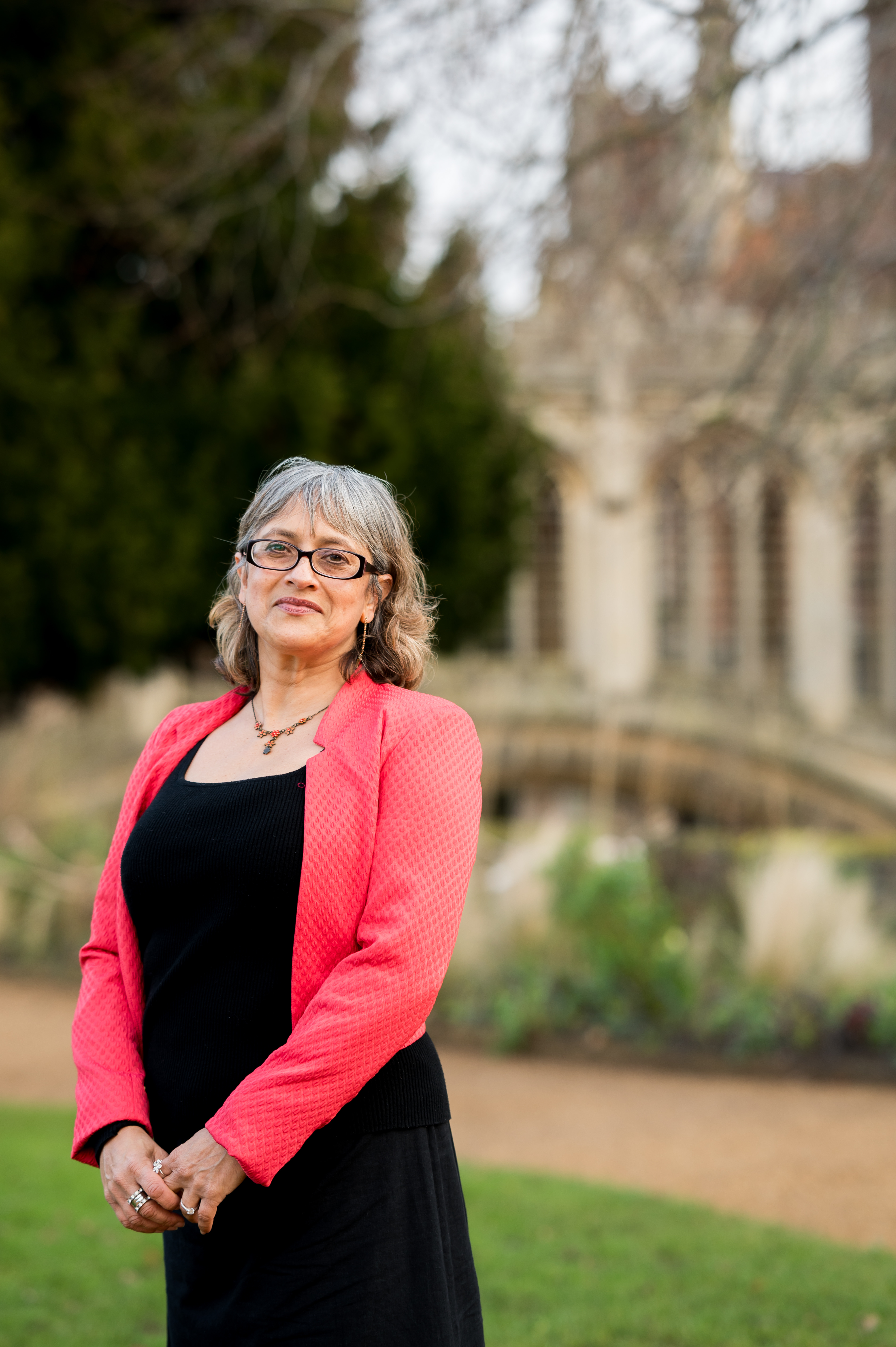
Deputy Marketing Manager at Meet Cambridge
Anita Macdonald is Deputy Marketing Manager at Meet Cambridge, with experience spanning higher education, associations, and global tech—giving her a broad view of how events are evolving. She leads the ABPCO’s Managing Dietary Requirements at Events taskforce, where they are working to shift the industry away from last-minute fixes and towards treating dietary needs as a fundamental part of event design. She also contributes to the neurodiversity at events taskforce.
Anita is a strong advocate for equity, diversity and inclusion, with a particular focus on the real-life impact of how events are planned. She’s especially passionate about food and safety at events because when dietary requirements aren’t handled properly, it’s not just a bad experience, it can exclude people or put them at genuine risk. Her approach is practical, honest, and focused on raising standards across the industry.
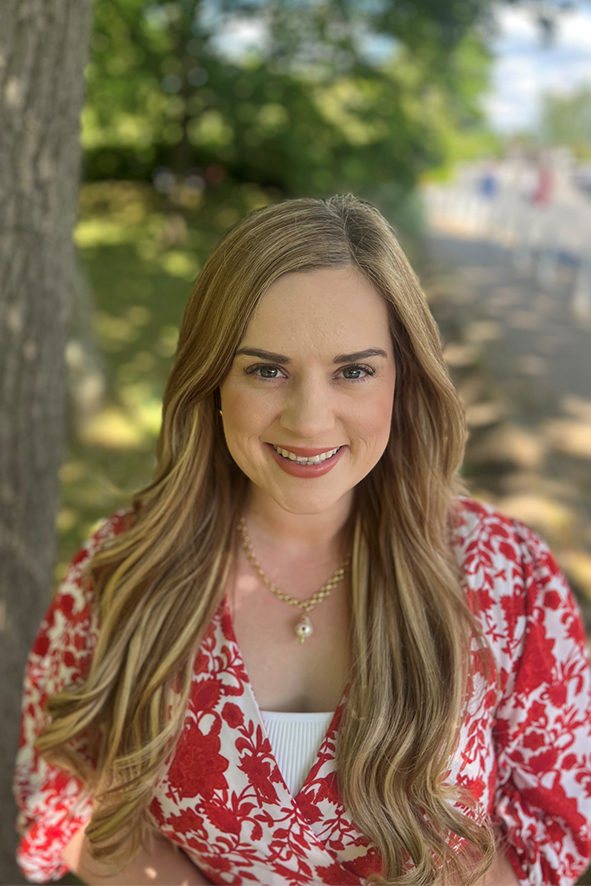
Head of Events
Sammy Connell is an award winning events professional who heads up the Conference and Events Team at NASUWT - The Teachers’ Union.
Sammy has been an in-house professional conference organiser within the events and exhibition industry for 20+ years and spent much of her early career hosting events for Birmingham City Council – the largest local authority in Europe. She has since worked within the charity sector, hosting scientific conferences for stroke care professionals and now currently heads up the Conference and Events department for NASUWT – The Teachers’ Union, one of the largest trade unions in the UK, with 270,000 members hosting 60+ annual conferences and exhibitions year.
Sammy is the Co-Chair of ABPCO (Association of British Professional Conference Organisers), a Fast Forward 15 Mentor, Power of Events Advisory Board Member, The Meetings Show Advisory Board Member, Greengage Sustainability Champion and a Power50 Green Champion.
Sammy has a Master’s degree in Events and Exhibitions Management from BCU and is an Institution of Occupational Safety and Health (IOSH) practitioner, a keynote speaker for industry events, lecturer for events and exhibition undergraduate and postgraduate courses and has won multiple prestigious awards for her outstanding work in the events sector.