How Event Planners Can Save Lives: A Food-Allergic Guest’s Perspective
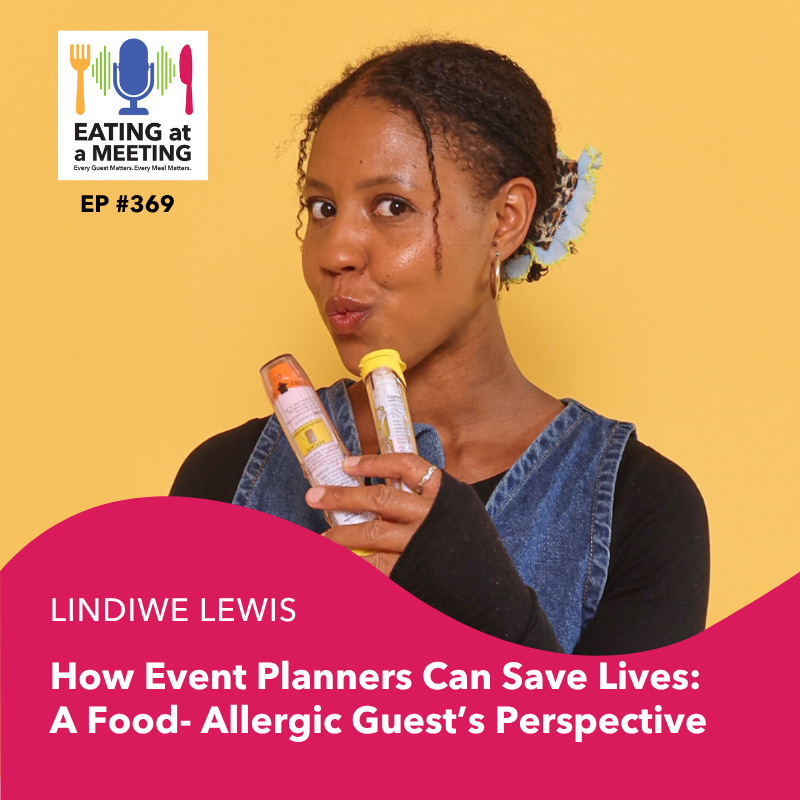
If you walk into a restaurant or an event and hear, ‘Oh, it should be fine,’ this episode is your reality check. Hear what really happens when ‘normal’ isn’t safe—straight from someone who’s navigated 30+ food allergies for decades. You’ll learn why transparency before, during, and after the meal saves lives, and discover powerful steps to make every guest at your event seen, safe, and actually included.”
Tracy welcomes Lindiwe Lewis—UK-based founder of Behind the Allergy, living with 30+ anaphylactic allergies for over 30 years. Together they reveal what’s happening inside the mind of a food-allergic guest, from anxiety and self-protection to the relief when real inclusion finally happens. Discover why proactive communication, visible hygiene protocols, and championing clear allergy policies aren’t just “nice-to-haves”—they’re essential for every event, every meal, every guest. Loaded with quotable wake-up calls, practical tips, and stories both sobering and inspiring, this episode redefines duty of care for planners, caterers, F&B, and all who serve food.


Heard on the Episode
“You telling me that we actually can’t do that—I’d rather...not risk my life.”
~Lindy Lewis 09:13
“It shouldn’t be on the person with allergies to be telling you how to do your job.”
~Lindy Lewis 22:26
“Every meal should be served with transparency.”
~Lindy Lewis 50:41
“Stop saying, ‘It’ll be fine.’ If someone tells you they can’t eat something, act accordingly.”
~Lindy Lewis 46:00
Key Topics Discussed
-
Transparency & Trust
-
Why honest communication and admitting limitations can save lives.
-
The vital role of transparency over “false comfort.”
-
-
Training & Standard Operating Procedures
-
The impact of thorough, top-down allergy training and clear protocols.
-
Consistency in hygiene and food prep across venues and teams.
-
-
Food Allergy Advocacy & Lived Experience
-
The lasting trauma and coping mechanisms from years of exclusion.
-
The importance of spotlighting positive examples of true inclusion.
-
-
Practical Steps for Planners
-
Collecting detailed allergy information (contact, consumption, inhalation).
-
Sourcing prepackaged, verified allergen-free foods.
-
-
Inclusive, Not Just “Allergen-Friendly”
-
Why “allergy friendly” labels aren’t enough—individual attention matters.
-
Inclusion as a true accessibility priority, not a special request.
-
Key Takeaways
-
Transparency is Non-Negotiable: Tell the truth—if you can’t accommodate, say so. Hidden risks hurt everyone.
-
Training is Lifesaving: Allergy protocols can’t rest with just one staffer; top-down policies and continuous training are critical.
-
Inclusion is an Accessibility Issue: Food allergies deserve the same priority as any other accessibility accommodation.
-
Stop Minimizing Risk: “It should be fine” is never acceptable—certainty and proactive safety measures are required.
-
Empower Guests, Don’t Burden Them: The onus should not be on food-allergic guests to ensure their own safety at your event.
Tips
-
Normalize Allergy Conversations: Ask attendees about allergy types, severity, and preferred brands in advance.
-
Champion Transparency: If you can’t serve someone safely, say so clearly and kindly.
-
Prioritize Training: Require allergy training for all staff, not just a single champion—make it policy, not a favor.
-
Document and Label Everything: Keep ingredient information visible and accessible from prep to buffet to plate.
-
Reward Good Practice: Highlight and support venues who demonstrate truly thoughtful allergy inclusion.
Like what you heard? Subscribe to our newsletter for more episodes and insider content delivered right to your inbox!
Tracy Stuckrath [00:00:00]:
Welcome to another episode of Eating at a Meeting. Today is day three of food Allergy Awareness week over here in the United States, and I say that because my guest is from the UK and I could not be more excited about this conversation. She has been living with severe anaphylactic food allergies for over 30 years. She is the founder of behind the Allergy, which is a platform and podcast dedicated to the honest, full picture reality of living with food allergies. Not just what's on the menu, but the anxiety, the identity, the relationships, and the everyday resilience that it takes to participate in a world that avoids food allergies or doesn't pay attention to food allergies very well. And she's here today to help us understand what guests with food allergies are actually experiencing when they sit down at our event tables and what we can do to make sure they feel seen and safe and well fed at the same time. So welcome to the show.
Tracy Stuckrath [00:01:06]:
Lindy Lewis. How are you? Hi.
Lindi Lewis [00:01:09]:
Good, how are you? Thank you so much for having me on.
Tracy Stuckrath [00:01:12]:
You're welcome. And everybody, we were delayed with some technical issues that we both figured out just before we got online. So we're good. I'm so excited again, like I said, to be talking to you because, you know, I, I'm actually managing food allergies right now. I'm, I'm actually ordering menus for, for events of 800 people and I have over wide variety of people with food allergies. Nobody has a list of 30, so let's start off with that. What is your list of 30 and, or your list that you've been managing for over 30? There we go.
Lindi Lewis [00:01:45]:
Yeah, I'm pretty sure it is over 30. Oh, is it really like. Yeah, I think if I actually did like every single nut and every single legume, it would probably be a list of 30. But yeah, it's been complicated like I guess living with food allergies over 30 years. I've seen a lot of transition. I've seen a lot of things coming and going. I've seen a lot of progress, which is incredible. But I've also been at the, not the beginning, but I've been at the time in which allergies are on the rise.
Lindi Lewis [00:02:23]:
So I kind of saw a lot of the transition between really being afraid of living with food allergies and people not really understanding it and not a lot of awareness and people not under, like not embracing it to now people are sharing it and expecting education, expecting awareness, expecting that the world will be accommodating for us. And I think that for me personally was a very hard spin mentally because I was very close off for a long time and now I'm able to be a lot more open. But I still have those, I guess, coping mechanisms for living with food allergies in a world that doesn't embrace me. So, yeah, I've seen a lot of changes, a lot of different term terminology, a lot of different understanding. And for me personally, it's for the better. But I also understand that we still have so much more to go. So I love these conversations because I think that now because it's very widespread and there's two. There's way more people having allergies than I did.
Lindi Lewis [00:03:39]:
So like back when I was younger. So I think that it's. The term safety and inclusion is very different now than it was back then. And I think it's really important to have those conversations so that we can do better next for the next generation.
Tracy Stuckrath [00:03:55]:
No, I love that. And it, I mean, I've been eating gluten free with an allergy to yeasts for 23 years. So I see the change and I've been advocating for it. But there's still, like you said, a lot of work to do. And you being in the uk, your laws around allergies have been there a lot longer than ours have here in the U.S. like, we just got our first one in California. It becomes effective July 1st. So it's just the start.
Tracy Stuckrath [00:04:24]:
So. And, but I. And that anxiety of how you've lived that so long with not knowing that nobody's going to accommodate you or make you feel seen there to now, that's gotta be something hard to release.
Lindi Lewis [00:04:41]:
Yeah. And I don't think that you ever really do release it. I think that there's an element at which I still have protective memory mechanisms. I still don't. I truly don't believe that anybody is there to cater for me. I don't ever assume that people will. I will always be able to eat out. I don't assume people will be.
Lindi Lewis [00:05:03]:
I always assume the worst when it comes to my allergies. I always assume that I will know I will not be accommodated for. And I think that is because I have been in those situations where I was dismissed and excluded for so long that I will never assume that people will cater for me. Right. But that being said, I think that actually plays a really big part into why I'm so vocal about eating out and going on planes and, you know, basically advocating for the community because I don't expect it, but I really embrace it when it does happen. And I'm very, I very, I'm very vocal when it does happen. I'm. I really like to highlight restaurants, caterers, people that are very supportive and inclusive because that is not still the norm.
Lindi Lewis [00:05:58]:
And so I like to really promote that instead of highlighting places that don't because I think there's way too many people that don't. And now we need to highlight the people who are actually going above and beyond and like the normal, like hospitality situations and going above and beyond and making it. And like a normalcy in their restaurants. And like, why don't we promote them so that they can sh. They can show other restaurants. Yeah. And show other people what's actually possible, you know, And I think that that's, that's a really big thing. I, I think that a lot of restaurants don't even know how to deal with cross contact.
Lindi Lewis [00:06:39]:
They don't know how to manage the psy. Psychological interactions of somebody with food allergies and the kitchen staff. Like, they don't know how to deal with it. But if a restaurant does do it well, we need to learn from them instead of, I don't know, villainizing them, Right?
Tracy Stuckrath [00:06:57]:
Yeah. You know, 100%. Yeah. I will like, because I do a lot more events than I do restaurants, right. I, I look at what they're doing, but when I see like labeling wrong in a buffet, right. I will take that hotel's logo off of it, right. And say that, look at how this food was labeled. What would you do differently? Right? But if it's, if it's done really, really well, I'm going to say, hey, look at what such and such hotel did.
Tracy Stuckrath [00:07:21]:
Right? And because I don't want, I want that company to potentially be my client, like, hey, let me help you do this, right? And it. So I do get. We have to have those conversations behind the scenes to say, hey, can we talk about this?
Lindi Lewis [00:07:36]:
Right?
Tracy Stuckrath [00:07:37]:
And. But yesterday I was chatting with executive chef Jay Varga and he is an executive chef at a catering company. And I actually shared one of the things he said to yesterday on the show with somebody today that thinking through even past or d' oeuvres at an event, right? He goes, if we have somebody that has a contact allergy, I make sure only one server on my team is responsible for that dish that has the allergen and only one person in the back of the house is responsible for that one dish because we're not having to worry about changing gloves we're not. Who's touching it? Like, you and I might touch it, and then we're going to go shake hands. He's like, nope, that's the cut and dry. And I'm like, that's amazing. Right. Because it's putting that own.
Tracy Stuckrath [00:08:22]:
Putting the onus, but all the responsibility and those people know what to do at that point. Yeah. And sharing.
Lindi Lewis [00:08:29]:
And I think. Yeah. And it's really important as well that we are, like, for me, the biggest thing not just in the allergy life, but I think I learned it because of my allergies. But it's very. It's transparency. It's the biggest thing for me. I'm very. I'm very supportive when restaurants and caterers say, I actually can't do this.
Lindi Lewis [00:08:51]:
Like, I. I don't think I can serve you. I have a lot of allergies. And I get that not every restaurant is going to be able to accommodate me. And so you telling me that we actually can't do that, I'd rather this. Have a conversation and we say, okay, this is the situation. Then you say, oh, I think it should be fine. And then it's not fine.
Lindi Lewis [00:09:13]:
Like, I'd rather not risk my life. I'd rather go somewhere else. And not everyone. I think there's an element in, especially for me in the uk, there's an element in which people do believe that every restaurant should accommodate every allergen. And I just don't think that that's possible because I think that not every household can accommodate every allergen. So I don't assume that every restaurant should be. If I'm going to a restaurant that is fully stocked of their, you know, their menu is fully nuts, I don't assume that they're going to be able to accommodate my allergens because that would feel unsafe for me. Right.
Lindi Lewis [00:09:53]:
So I. For me, it's like, I usually go to restaurants where I know that, like, the cuisine or the dishes are safe for me. Now, if there is a restaurant that would accommodate an allergy, you know, a celiac or something that I think that's great, and we need to highlight those people who are doing that work. And then if they are not able to accommodate, then that's something that we need to discuss. But overall, I think that not every restaurant should be always accommodating every allergen, but we should have transparency and that that conversation be normalized.
Tracy Stuckrath [00:10:24]:
Right? Yeah. I mean, you're not gonna go. Hopefully you're not gonna go into a restaurant that's making Fresh pizza and expect gluten free, right? They're making their fresh dough and like, and expect that to happen. And one woman, actually a photographer I met years ago said he was meeting, went to go meet a bride and she's like, I can't meet you at that place because they make fresh stuff and it's in the air too much. And so, and that was an open eye, openening thing for him to do. So it's thinking through it in a variety of different ways. So what? And I was watching some videos of you the other day and you. And it's you and a bunch.
Tracy Stuckrath [00:11:02]:
Mia, you know, I love how you put the phone down and it's like looking at you and you're asking the questions and saying, hey, I want to order this steak but I need nothing on it and I need the potato to have nothing on it, right? And you're like, nothing, literally nothing. But the servers, that server at least was, seemed very open to it and understood why you were asking, right? But so when, when you're talking to that server, you know, what does what words or terminology or way, what do they think, things that they might say or not say that would make you feel safe or unsafe,
Lindi Lewis [00:11:42]:
right? So like for most the reason why I say it has to be nothing on it has to be plain. Has to be plain, has to be plain is because the amount of times I've said it needs to be plain and I've come back with something on it and I like, I have to make sure that that person really understands that I don't care whether it's fancy or flavorful. Like the restaurant will be flavorful anyway. Like it's going to be chef cooked food. It's better than my home. So I know that it's going to be fine anyway. And I'm quite a plain eater anyway. Like I'm very happy with.
Lindi Lewis [00:12:18]:
I'm, I'm South African and Irish. I want meat and potatoes. That's all I want. Like, that's basically my, like my goal, my aim. I love that steak, potatoes. I'm happy. So I'm quite. For me, I think I'm quite an easy person to cook for because I don't really expect much.
Lindi Lewis [00:12:36]:
But how many times I've come, people have come back and go, oh, the chef feels so bad for you, so they did this special for you. And I'm like, the amount of fear that comes over when I haven't been told that like I. Bringing back to transparency, you need to be transparent. I have expressed to you this is what I want. And now you're giving me something the opposite of what I want. And I feel like that is, like, one, I think that's one, unsafe. But two, like, that's not very good at, like, customer service. Like, you should be giving the customer what they wanted.
Lindi Lewis [00:13:09]:
And I very plainly told you I wanted plain food. So for me, that's something where if they do do it, then the minute I start to. I just start to panic. So I think the biggest thing for me is always the server. What. Whoever's talking to the person with allergies or the parent of the person with allergies, there needs to be transparency. And saf. Say, what is it that you want? If.
Lindi Lewis [00:13:35]:
And then I always say, like, look, if a chef thinks I can have this and they can make it safely for me, I'm happy. But if they can't, I would like to know. And I think that that's something where I've learned over time that the more you proactively tell somebody something, it. It makes it a little easier. And I've also been the manager and the server, so I also know what questions I would ask back. So I like to proactively tell them before you ask me those questions back. This is what I want from you, right?
Tracy Stuckrath [00:14:08]:
Yeah.
Lindi Lewis [00:14:10]:
Like, I say, when I have my allergy card, I'll say, please give it to the chef till the end of the meal. I don't want it back because they will always give it back to me. And I'm like, I don't want it back. So, yeah, so, like, those things, like, I. I'm very big on transparency and just being proactive. I think for the servers, I. The biggest thing for me is that I want them to proactively tell me what it is they're going to do that will make it safe for me. So, like, they say, okay, but just so you know, so I've had really great times.
Lindi Lewis [00:14:42]:
Like, we might talk about this in next, but Hawksmoor, they're very proactive in saying, okay, we've. We usually have a separate section for people with allergies. The chef usually, like, cleans everything down, washes their hands. We. We like, basically time off the, like, I guess the. The orders and things like that in order for my order to be processed safely. So it's like, when they say that to me straight away, I know that they already know.
Tracy Stuckrath [00:15:15]:
Right.
Lindi Lewis [00:15:15]:
How they can make it safely when they don't. And I have to ask them question after question after question. That's where I'm a Bit cautious. So, yeah, so those things like you already know how you make things safely and then tell me that straight away.
Tracy Stuckrath [00:15:31]:
Right?
Lindi Lewis [00:15:32]:
Then that set, it's more of ease. So like, again, just the more transparency you can give me, the better my experience will be.
Tracy Stuckrath [00:15:42]:
Right? Yeah. Well. And there's a restaurant in Asheville, North Carolina that my friend Peter runs and it's, it's completely gluten free because his wife is celiac. And a majority of those, but they don't advertise that right. On their menus or things like that. The server tells you when they sit down, just to let you know that our restaurant is completely gluten free. So feel free, you know, to eat whatever you like if you're, you know, gluten free or when you're asking those questions. And I love that.
Tracy Stuckrath [00:16:11]:
And. Because it puts you at ease immediately. Right? And then the servers actually, and I actually asked one of them in the back of the house because I think majority of the stuff is also dairy free as well. And I said, how does that make your job?
Lindi Lewis [00:16:27]:
Right?
Tracy Stuckrath [00:16:27]:
And they're like, it makes our job so much easier because we're not having to remember, we're not having to go back and ask the chefs questions and whatever. But even the same, the same thing with the restaurant in London, that, oh my gosh, now I'm going to forget the chef's name, but he was attached to a hotel and one night he said yes, yeah, yeah.
Lindi Lewis [00:16:48]:
And he went, is it the one, the one Aldrich? Yes, yes, that one. Yeah.
Tracy Stuckrath [00:16:53]:
And went completely gluten free and dairy free. And it eased the stress of the servers in doing that. Yeah. So, okay, so like some of the things that you said too, in, in what you just explained in watching servers and how they ask. But you have, I've, I've read and listened in you like when I spot something like a hygiene protocol that's not being followed. So talk about hygiene protocol that you're seeing, it's not just hearing but you're seeing things that are happening around you and the cleanliness of a restaurant or things like that.
Lindi Lewis [00:17:32]:
Yeah, that experience happened to me in South Africa in Cape Town and it was one of those open plans restaurants like the kitchens. And I was literally sitting in front of the kitchen, I was sitting in front of the chef and basically he kept using the same towel to clean every single thing and to clean the, the counters, to clean the pots. And I was just like panicked. I was already like nervous going out and I already didn't like the restaurant Going into it. And then when I saw that, it just set, like, alarm bells. And I. For me, personally, I. I haven't actually properly talked about the situation.
Lindi Lewis [00:18:19]:
I did a video where I was in the toilet after that happened, and telling, like, I don't know what I'm gonna do. But I never. I was like, follow for part two. And then I never could, like, bring myself to do part two, because I really was maybe. Yeah, I don't know. I. I was very embarrassed by how I behaved. And I think that that's something where sometimes when you're so put off or shocked by an experience, you don't always follow the protocols that you would have followed if you.
Lindi Lewis [00:18:54]:
If, like, you were thinking about it. And usually I know, like, okay, I'm always. I always tell people, if you don't like it, you don't have to eat it. You can walk away. And I knew that because I was traveling, I didn't have a plan for what else I would eat for dinner. There was no rush. There was no, like, supermarkets around, like, the. The kitchen.
Lindi Lewis [00:19:13]:
Like, I just didn't. I just felt, like, super uncomfortable. So my mom, basically, I, like, started crying, and I went to the bathroom because I just, like, didn't want to do it, and I had so much anxiety. And my mom actually talked to the restaurant, and they were. She said, we're gonna go. We're gonna go, we're gonna go. And then the restaurant was like, oh, my God. No, no, no, it's all fine.
Lindi Lewis [00:19:33]:
We'll clean everything. Like, you know, basically trying to make up for. For the hygiene situation. And she was like, no, no. You've literally used the same cloth, the same thing. It's obviously disgusting. And we don't want to eat here because my daughter is scared that you're doing that for other things, and we. That's not safe for her.
Lindi Lewis [00:19:53]:
And so I came out of the bathroom, and my mom basically was like, they've literally said, it's all fine, but you get to decide what to do. And I had this moment of I have to protect the restaurant. Like, I have to, like, make. Make them feel better about the situation rather than protect me. And the other person I was with was basically like, oh, it's fine. They're fine. They're doing it. It's easy.
Lindi Lewis [00:20:22]:
And I was just, like, feeling very stressed. But also, I don't.
Tracy Stuckrath [00:20:28]:
I don't.
Lindi Lewis [00:20:28]:
I just wanted to not make a fuss. And it's like, for me, when I say that, I hate it because I always tell people, do make A fuss. It's your health.
Tracy Stuckrath [00:20:37]:
Right.
Lindi Lewis [00:20:37]:
And I didn't want to make a fuss that time and I never do that anymore. But it kind of reverted me back to like being a 16 year old. And I think the biggest thing as well, like for something situation like that is, I don't know, I, I don't know how the staff could have made it better. But I do think that if you make a mist, I don't think we should be saying, okay, we can fix it, we can fix it, you should eat here, it'll be fine. Like, I think that you could. I was crying and I think that there was an element at which they should have said, no problem. If you don't want to eat here, no problem.
Tracy Stuckrath [00:21:12]:
Right? Yeah.
Lindi Lewis [00:21:13]:
And I just felt very like I, they were just. It felt in that moment that I was being forced to eat. I was being. And I didn't know what to do. I didn't want to make a fuss. And I think that that puts so much pressure on the person with allergies to make sure that everyone's safe. And I think that that happens a lot in like birthday parties or professional events or anything like that, that we don't want to make a fuss when something goes wrong. So we kind of like make do and we kind of like try to figure it out.
Lindi Lewis [00:21:45]:
And like the chef came out and he, he basically was like, oh, no, it's fine, I'll change my cloth. And I'm like, but it's, that's not the point. Like, what else, Right, you do.
Tracy Stuckrath [00:21:53]:
Clearly that's how you normally work.
Lindi Lewis [00:21:56]:
Yeah, exactly. So, yeah, I don't know. I felt very uncomfortable. And yeah, I did eat, I was safe, it was all fine. But I had a pit in my stomach every single second. I was constantly checking whether I was having an allergic reaction. And I just wanted to get out there. Like, nothing felt safe to me from that moment.
Lindi Lewis [00:22:17]:
And I, I hated that I did that. But also that it really puts a point to people. Like, no matter how much experience you have in this, it shouldn't be on the person with allergies to be telling you how to do your job. Like how to, how to avoid cross contamination, how to make sure that like the food is safe. Like, that should be a policy that is already set from the precedent. It should not be because we're telling you, hey, this is disgusting. Hey, this is especially, you know, in catering. Like, I've had another example where I've had a catering.
Lindi Lewis [00:22:55]:
They said, no nuts, no nuts. We said three months in Advance. No nuts. No nuts. And then the first dish they brought out to me was sprinkled with peanuts. Like, why, how is that possible? You know, so it's more like, I shouldn't be the one to constantly be telling you how to do your job. This is a part of your job. Allergy policies, allergy awareness, allergy education is a part of your job.
Lindi Lewis [00:23:21]:
And it's baffling to me. And I've been in the service industry. I'm not somebody that, like, doesn't know what it is. It's not enough. What we, what we tell people who are handling our food is not enough to keep people safe. And they just, people just don't know. They really don't know. They don't understand it.
Lindi Lewis [00:23:40]:
And like, I have a lot of, I don't know, solutions than what I would say of, like, how to do better. But I think that we need to stop putting the onus on the person with allergies. We need to make sure that their training is better. They know what right to do before we even get in that room.
Tracy Stuckrath [00:24:01]:
Exactly. Because, I mean, we all can't stay at home, right? We're not going to live in a bottle bubble.
Lindi Lewis [00:24:07]:
And they want us to.
Tracy Stuckrath [00:24:08]:
They do want us. They do want. A lot of. A lot of people do want us to stay at home, but it's not a reality. We have to go out, we have to. We have to go to work. We. We eat out with colleagues, we go to events to build our business, et cetera.
Tracy Stuckrath [00:24:21]:
Right? And, and food is, Is a right. And it does come down to the training. And like, Leanne Mandelbaum, you know, posted that story about that cashew allergy reaction from hummus on a, you know, on an airplane. Like, who puts cashews in hummus? Right? And, but where is the, you know, from the, from the person who placed the order all the way to the flight attendant giving that information? Where's that lack of communication? Where's that SOP in the middle to ensure what that information is? Right. And yes, it is our decision and it is your decision to make the say, hey, okay, I will eat here. I'm going to be really stressed out about it. And, and, but in the end, it's not just my responsibility or your responsibility. It is the person who's providing food.
Tracy Stuckrath [00:25:14]:
You chose to come into the food business.
Lindi Lewis [00:25:16]:
Yeah, exactly. Yeah, exactly. Yeah. And I think that when, when you. I think one, I, I hope that that shocked them to ch. To like, you know, I was, I was fully like, like in the Restaurant like, you know, a 30 year old woman, like hyperventilating in a restaurant is not like something you forget, hopefully. But I think the, the element is like, you know, a lot of smaller places and a lot of places that don't deal with allergies often just don't make a decision to put that as a, as, I don't know, like they're not putting priority. Exactly.
Lindi Lewis [00:25:59]:
And I think that that is one a mistake obviously. But also it doesn't matter whether you have it. Lots of times one time can change your whole restaurant's life. And so I feel like no matter what restaurants, big or small, it should be a priority because one off moment, one off chance could change if I didn't see that and then I did have cross contamination, I did eat that and I did have a reaction like that would have changed my life, but also the restaurant's life, you know. So I think like it's just, it's not worth not putting the time and energy into doing that.
Tracy Stuckrath [00:26:38]:
Right. Yeah. And, and but going back to even the, you know, when you said I, you don't expect every single restaurant to, to accommodate every single allergen, but you still have the duty of care to have safety practices in place to understand that and what you're doing and what you're serving. And, and here in the US I mean the serve safe. The food allergies is only four pages long the conversation about food allergies. So it's not like we're worried about, and even one food safety person said to me in a state here is like we're worried about salmonella and E. Coli and all of that things because that might kill a larger, you know, that might impact a larger group of people. But at the same time, you dying in a restaurant is going to make national, you know, it's going to make news.
Tracy Stuckrath [00:27:23]:
Right?
Lindi Lewis [00:27:24]:
So yeah, yeah, I mean, yeah, I just, I think like one that's disgusting whether I have allergies or not, what, what experience. But also like you're, for me, I think like just you explaining that like having allergens in your food is a health and safety issue without it even being somebody who has allergies. Like, you know, if you're using the same cloth or you're, or you're sprinkling things that you tell someone isn't in it. Like that's a health and safety issue no matter what, you know, like that's not, that shouldn't happen if you're saying a food is not in that dish and then it Obviously is, why do you not know what's in that food when you're making it?
Tracy Stuckrath [00:28:10]:
Right, Yep.
Lindi Lewis [00:28:12]:
You know, it's kind of like, how do you not know? It's like, you know when, you know when we go to like the airport and they say, did you pack that bag? What's in that bag? If I don't know what's in it, I get in trouble, right?
Tracy Stuckrath [00:28:25]:
Yeah.
Lindi Lewis [00:28:25]:
So if you don't know what's in it, you should get. If you don't know what's in the food that you're serving me, you should get in trouble. Like, as in, you shouldn't, you shouldn't have that, that job if you don't even know what you're cooking or you don't even know who it's going out to. Like, I just think it's just baffling to me that we just let people, like, let it slide all the time. Just because I didn't have a reaction. Like, that shouldn't happen.
Tracy Stuckrath [00:28:49]:
Right? Yeah. That reminds me of a pudding or souffle that I ordered or that was ordered for an event. And it said it contained gluten. And I'm like, what in the dish contains gluten? And what it was is it was a bag of pre made pudding that they just added water to or something. And so it actually had five top allergens in it and they had only labeled one. And I'm like, it goes like, why do you not know that? I'm like, we're talking about allergens here and we have somebody with a severe wheat allergy. Why would you put that out?
Lindi Lewis [00:29:23]:
Yeah, yeah, yeah. And it's just, again, it comes back to transparency. Like, there's just too many places that cater for you that pretend there's something, then they're not. And then that means that there's no transparency when it comes to it. I have so many times that I've worked in restaurants and they're just like, well, we can't guarantee because we don't actually know where it's being made because they say it's fresh and homemade, but it's fresh and homemade in a factory. Like, it's not like made in the, in the actual restaurant. And I think that's where it's baffling because it's not. There's no transparency because they didn't actually make it in the actual restaurant.
Lindi Lewis [00:30:01]:
So they can't even tell you what's in it because they have to find a book instead of telling a. Talking to a chef, hey, what's in this that you made today? Because they didn't make it, right?
Tracy Stuckrath [00:30:10]:
Yeah. Oh, I, I've had multiple, like one hotel told me, oh, well, all my appetizers I get from an outside catering company. So I really don't know. I'm like, I'm sorry, what. You know, and yeah, so it is, it is. You need to keep track of all of that, no matter where it is, and keep the box. Right? So that, you know, if the box, when you take it out of the box and there's no information about that food on that bag that you just pulled out, you need to make sure that you're looking at that box and keeping that information with the bag, wherever you put it. Okay.
Tracy Stuckrath [00:30:43]:
So for meeting an event professionals who, catering and, you know, restaurant size who think food allergies are simply a food and beverage logistics issue and, and, or even not like, hey, the allergy, the hour. The problem is the. Actually, let's reframe it this way. Somebody said to me, a technology company, the problem is not the allergy. The problem is your logistics and your sop.
Lindi Lewis [00:31:08]:
Like, right.
Tracy Stuckrath [00:31:08]:
How do you, when I'm telling, like, I'm emailing event attendees right now, like, is your allergy consumption? Is it touch? Is it inhalation? What other things do you want meeting planners to potentially ask you to understand your allergens or, and help them reframe how they address it when they're talking to their attendees? Does that make sense?
Lindi Lewis [00:31:32]:
Yeah, I think that the biggest thing is to like, I think, I guess it always for me starts at the top. So it starts out like, where like everything always like trickles down. So like, if, if the company or the. I don't know the. Yeah, if the company or the person that's running the company isn't allergy aware, your staff isn't going to be allergy aware. Like, you're, your, the people around you, they're not going to care. If they care, the staff is going to care. Right.
Lindi Lewis [00:32:08]:
So I think like, the issue is, is that no one really understands the importance of like allergy training or allergy education. So you don't have people. Like, I always think, like, no one that teaches allergy education has any idea about, Well, I in my experience has any idea about living with food allergies or living like coming to an event with food allergies. So they don't actually know what the, like, what the actual effect or like how it actually feels to come to an event that was surrounded by food at like, with food allergies So I think the biggest thing is, is to understand, like, different scenarios and having different people who are more like, you don't have to have every single staff member understand all allergies, but at least you have to have one or two that really get it so that they can be, I don't want to say champion, but a little bit of a champion of how to manage them. So when you do have food allergies, those people are there to help manage it. Right. So we need to have people who know as much as possible about the food that's coming out, about the person who has the restriction about, like, all of that. And there needs to be certain situations, certain situations, certain scenarios.
Lindi Lewis [00:33:30]:
And I think it's because then if it starts at the top and you say, okay, we're gonna get somebody in for the managers who understands this and understands allergens and understands, like the lived experience and talk to the managers. The managers can then talk to the staff, and the staff can then understand that situation. And I think it just trickles down. But if you only have one person and then that person leaves, what do you do then?
Tracy Stuckrath [00:33:56]:
Right? Or is, you know.
Lindi Lewis [00:33:57]:
Or that.
Tracy Stuckrath [00:33:57]:
Or.
Lindi Lewis [00:33:57]:
Yeah, yeah, exactly. If it's, you know. So it really needs to be a whole company policy about how do we make these events safe and inclusive. And the thing is, I think that so many people forget that inclusion is the same for people with allergies. Like, if you're, you know, trying to find a way to get somebody in a wheelchair up to your event, you also need to make sure that somebody with allergies is included in that event. So even if it's not, you know, there's. There's so many different things. Like, I've.
Lindi Lewis [00:34:30]:
I've gone to an event where they've asked me what snacks I like and then put those snacks out on the table. Like, it's not the act of, like, you have to make new food for me, but if they're ordering snacks anyway, they can just ask the person who has allergies, what brands of snacks do you. Can you eat and then buy those snacks when they're making those snacks instead of just buying just random snacks that you think people would like.
Tracy Stuckrath [00:34:56]:
Right.
Lindi Lewis [00:34:56]:
You know, and I think that those are the kinds of things that's really important. Like, they. You need to establish a. Again, transparency. You need to establish a communication between. But how do you know how to do that if you don't have people that know how to do that? Like, right, then it needs to start from the top. And it, and it also needs to be a policy. So whenever managers leave, whenever staff leaves, the minute that you hire someone, they go into a ton, a funnel of how, what that looks like.
Lindi Lewis [00:35:27]:
Because you do that for anything, any part of your business. This needs to be a priority, just like, you know, an accessibility issue, right? Like it needs to be a part of the policy and the priority of the staff. Does that answer your question?
Tracy Stuckrath [00:35:42]:
It totally does, yeah. And because it really, it does need to be part of your SOPs, right? And even I was talking to somebody the other day, I guess it was on Monday, and I was talking to Anita and Matt and Sammy about the new, I'm going to say this, right, British Professional Conference Organizers Association. You know, they're putting together some standards of how the whole industry should be managing these, right. And it goes all the way to registration and, and how you manage it. And it's everybody's responsibility in that whole. I call it the food event food chain. Right. Of who's touching the food, who's ordering the food.
Tracy Stuckrath [00:36:23]:
Because I'm ordering the food for you. I don't necessarily know, but like I'm working an event right now and they're making, I'm like, can you just please order cookies from this company?
Lindi Lewis [00:36:35]:
Right?
Tracy Stuckrath [00:36:35]:
Because they're free of the top 14 allergens. They're non vegan or they're vegan. And then I'm also like, and here's the Cisco codes for you to order them so you can get them directly from your supplier right there in Boston. Right? I mean, so yeah, let me introduce you to the products that can. And then make sure that you're serving them in that prepackaged container to this person because then they know that it's not contaminate. Cross contact. Yeah.
Lindi Lewis [00:37:01]:
And that, that's something that. How do you know unless you know, right? Like those little intricacies, like making sure that like they're not touching other things, right? Yeah. Like, that's something that's, you know, even when I go to like food allergy events, that's not something that is no, like a thing still, you know, so I'm like, people offer me food and I'm like, you know, we're at a food allergy event, right? And you're letting me put my hand in a tub. Like, no, like there needs to be a safer way that you're letting me test the food. Give me the ingredients. They say allergens ask something, but just give me the ingredients straight away. Like, let me see them first. Like, you Know all of these things that we still, I guess we still have to work on.
Tracy Stuckrath [00:37:49]:
Right.
Lindi Lewis [00:37:49]:
You know, but it's. Yeah, for me, it's really important, I think. And so the company, the restaurant that I was talking about before, called Hawksmoor, in the past, I know that they have had somebody with food allergies come and talk to their heads and discuss what it's like with food allergies coming to a restaurant, that's awesome. What the process of our brain thinks, how we manage our allergies, what we actually want to know. And the thing like, that's what happens every single restaurant. Because there's many in London, many in the UK and many in Ireland. And I go there, I've been to a lot. It's consistency.
Lindi Lewis [00:38:32]:
They're always consistent. They always tell me before I have to ask. They always know exactly what to do. They always check before anything before they make a judgment call. You know, they always check with me. And that's something that I, I know they must get from the, from the top. Because if it's everywhere and it's across the board, they have to check.
Tracy Stuckrath [00:38:53]:
Right.
Lindi Lewis [00:38:54]:
You know, they have to make sure that like, yeah, it's. It just trickles down. And I think that that's something that people, yeah, they don't really understand. And like, you can tell that it's not a priority in the staff if it's not a priority in their managers. If, if it's not in their managers, it's not going to be in the hq, you know?
Tracy Stuckrath [00:39:14]:
Right, exactly. And. And the fact that you can tell that and it's not just one venue. Right. And one of the things that I mentioned years ago to somebody is that just because a hotel name is the same, you know, let's just call it XYZ Hotel. Right. And it's global, but that hotel could be owned by me and it could be managed by you. And, and which is the unfortunate thing.
Tracy Stuckrath [00:39:39]:
But with your, the restaurant, you there, Hawks, Hawksmoor. I mean, that's a much more controlled thing. They know what they're doing, that. But I would really love if the hotels and the convention center said this is our standard practice. No matter where you go in the world and put it on, those franchise owners put it, you know, so that, that consistency is there, but that's hard to come by. Yeah, it is.
Lindi Lewis [00:40:03]:
But I think that the more that you, like, people have these conversations and like, it's. The more it's expected and the more that people speak out, I think it would be normalized. But because we don't. And we just assume, like I do, that people won't cater for me. We just don't talk about it.
Tracy Stuckrath [00:40:21]:
Right.
Lindi Lewis [00:40:21]:
You know, like, I didn't talk about the catering issue that I had, but because, like, I think also that's the other thing I was saying about putting the onus on the person with allergies. That was quite a traumatic experience for me. And I don't really want to deal with it. Like, I don't want to have to deal with it again. So I'm kind of like, I let it go and I'm just not going to eat in that. And I don't think that's fair because I think that everyone, that they should get. And you know, we did try and get them to apologize and they did apologize and things like that, and what are you going to do after? But then over time, it just trickles down and. Yeah, they just forget.
Lindi Lewis [00:40:57]:
Exactly. So we just need to constantly be talking about these, these conversations and, you know, trying to get to do better. But I mean, look, I, I know it's better than it ever was before, but it's just not enough.
Tracy Stuckrath [00:41:09]:
Right, Exactly. Okay, so how. So everybody, you have a long list of, of allergens, so let's talk about that too. So there's people that may be only allergic to one thing. Right. And then there's people that are allergic to multiple things. And I know that I've seen, you know, people like send a list and people make fun of that list, like,
Lindi Lewis [00:41:30]:
how do they eat?
Tracy Stuckrath [00:41:31]:
And I mean. And actually one of my really good experiences was in Atlanta going to a chef. No, an author dinner. And it was like a seven course meal and it was $100. And I'm like, I really want to come to this because I really want to see Chris Kim Severson. It was her book and spoon fed. And I sent my allergies to the chef in advance and he made me the eight different courses so I could participate, you know, and he's like, no, I mean, it was like, I will rave about going, you know, going to that author dinner, etc. Because of that.
Tracy Stuckrath [00:42:07]:
But he made my experience worth it and saying, hey, I'm paying a hundred dollars in doing this. So it's. But you have to find that right guy or that right. Not the right guy, that right person who's willing to take that step. Yeah. Because.
Lindi Lewis [00:42:24]:
Yeah, yeah, yeah. I don't know, it's. It's difficult because, yeah, I have lots of allergies and you know, in the past When I would tell people, like, by number four, the eyes glaze over and you're like, what. How do you do this? How. How do you happen many allergies? And you're just like, yeah, yeah, it's fine. And like, how do you eat out? I'm like, yeah, like, I eat out. Obviously I'm here, you know, But I think that it just. It becomes almost like, that's not possible, right? Like, you can't have that many allergies.
Lindi Lewis [00:42:57]:
So having my card really helps. I have an Equal eats card, which is. It just tells everyone. It goes from me to the chef and it tells them my allergens. It asks them to wash their utensils, like, all of that stuff that I end up not needing to do all that heavy lifting because the card does it. And it's also got like different, different translations on the back depending on what country I'm going to. But I think the biggest thing is, is like, it. I mean, it shouldn't really take just one person.
Lindi Lewis [00:43:30]:
I think that should be like an inevitable situation. You're paying this money, you should be able to get this food right. Right. Like a chef should be able to adjust and change based on a food restriction, you know. But yeah, with so many different, I guess, like, allergen friendly meals and allergen friendly, this is not really real because we all have different allergens. And like, a lot of mine are not on the top allergens. So it doesn't really. Like, you could I have, like, there's this donut place and they are saying, like, allergen friendly.
Lindi Lewis [00:44:07]:
You know, it has chickpea in it. It's not allergen friendly to me, you know, so it's kind of like, it's all great and like, you know, the whole allergy world loves it, but like, I can never eat it, right? So I think, like, it's. It's not about allergy friendly or like, not free stools schools. It's. What about the dairy allergy? What about the wheat allergy? Like, it's. We have to have allergen policies and understand allergens in general because people. Like, I've had people come into my restaurant that have a lemon allergy or, you know, or they have a severe intolerance to pepper. Like, how do we manage those things?
Tracy Stuckrath [00:44:48]:
Right?
Lindi Lewis [00:44:49]:
Rather than the allergen, like what we allergens are, you know. So I think that the biggest thing is, like, there's just no one size fits all. There's no one guest experience. There's no One thing that manages encompasses it all. So we need to have people who are serving our food or waiting on us to understand that. Like, when we say allergy, the question is, can you tell me more about that allergy? Right. Like, is that severe? Is that anaphylactic? When I hear someone say, is it anaphylactic or is it like an intolerance or is it celiac or is it gluten free? Like, when I hear those things, I'm like, oh, they totally get it.
Tracy Stuckrath [00:45:31]:
Right.
Lindi Lewis [00:45:31]:
And, like, I don't think that that means that we need to treat them any worse or better, but it's about understanding what is the actual protocol. And if we have lots of protocols based on the severity of, I think people would be more transparent about what they have instead of just being like, oh, yeah, I have a severe allergy. But the reason they say severe allergy when they don't is because people don't like, People belittle it.
Tracy Stuckrath [00:45:56]:
Right. Yeah.
Lindi Lewis [00:45:56]:
No, if it's intolerance, they just believe, like, oh, I'll be fine. But, like, stop saying it'll be fine. If there's someone's telling you they have something that they can't eat, like, act accordingly.
Tracy Stuckrath [00:46:09]:
Right.
Lindi Lewis [00:46:09]:
They can't eat it, so act accordingly. They might not die, but act accordingly. It's. They don't want to be sitting on the toilet all night. Or, you know, there's lots of different things. Like, there's lots of things overall, like celiac disease, overall, during over time, it's really detrimental to their body. Like, act accordingly. Even if it's not celiac, act accordingly.
Lindi Lewis [00:46:33]:
That people cannot handle gluten, act accordingly.
Tracy Stuckrath [00:46:36]:
Right. And it goes back to. It's not the ingredient, it's your processes.
Lindi Lewis [00:46:42]:
Exactly. Yeah, exactly. Yeah. Yeah. And it's, It's. It's from, it's from the top. So you have to. It has to be a priority.
Lindi Lewis [00:46:50]:
Just, like, how. I mean, the uproar. If you know there's an event and you're not allowed to bring the thing that makes you able to move around. Right, right. Like you like the uproar. That would be. Because that's not inclusive. Inclusive at all.
Lindi Lewis [00:47:07]:
Right, right. Or if we wouldn't let somebody who has a different skin color into the event, like the uproar, that would be. Right, right. So it's the same thing. Inclusion is not just one type of inclusion. Inclusion is everything. So if you are going to be including. And also when you're in the office or if you've got a job or whatever, Include.
Lindi Lewis [00:47:28]:
You can't just be like, oh, well, that person can't come to the office event because she has this or they have this or, you know, it's like, it has to be included because that's my job.
Tracy Stuckrath [00:47:39]:
Right?
Lindi Lewis [00:47:40]:
So you have to include me in that because. So if you're gonna make it about food and you're gonna make it a sit down dinner, you need to include me in it. I can't bring my sandwich. You know what I mean? So if you don't, don't. I mean, and also fy. I mean, look, this isn't your. I know that your podcast is about eating, but there's a lot of things that you can do to bring people from the office together that isn't including food, right?
Tracy Stuckrath [00:48:03]:
Oh, yeah. Oh, totally. Yeah, yeah, totally.
Lindi Lewis [00:48:06]:
And, you know, so, like, if you're worried, do that.
Tracy Stuckrath [00:48:11]:
Okay.
Lindi Lewis [00:48:12]:
I think, and give people like a stipend. We can give people a stipend to give, to spend money on their own food. You know what I mean?
Tracy Stuckrath [00:48:18]:
Exactly.
Lindi Lewis [00:48:19]:
Yeah.
Tracy Stuckrath [00:48:19]:
Bring their own. If, like, if you need to travel with your food, here's, you know, $25 to cover your breaks or whatever you're doing. Right? Yeah, we can, we can do your lunches and your, your breakfast and stuff, but if for the afternoon breaks, we're going to give you this money to bring your own stuff.
Lindi Lewis [00:48:34]:
Yeah, exactly. And I think that that's completely fair. You know what I mean? Like, I think that there has to be that conversation around that, you know?
Tracy Stuckrath [00:48:41]:
Yeah, exactly.
Lindi Lewis [00:48:42]:
Okay. I know I talk a lot.
Tracy Stuckrath [00:48:43]:
Oh, no, no, no, you're good, you're good. Okay, so I have a couple of rapid fire questions for you. Okay.
Lindi Lewis [00:48:49]:
All right.
Tracy Stuckrath [00:48:49]:
One thing you always do before eating at any event or restaurant for the first time.
Lindi Lewis [00:48:55]:
Oh, talk to, like, the person who's gonna handle my, like, queries or, like, handle my, like my. What do you call it? My order.
Tracy Stuckrath [00:49:05]:
Huh?
Lindi Lewis [00:49:06]:
Yeah. Yep.
Tracy Stuckrath [00:49:06]:
Okay.
Lindi Lewis [00:49:07]:
Yeah, talk to the person who's gonna handle my order.
Tracy Stuckrath [00:49:09]:
Okay, awesome. All right. A destination on your travel bucket list that you're determined to make allergy safe and have a strategy for
Lindi Lewis [00:49:18]:
Japan that's like, it's 2027. I'm going with two people who have food allergies as well. And I know that it's like high on people's, like, bucket list right now, but, like, yeah, we've been planning this since last year and so, like, that's. Yeah, that's a big one. Sorry.
Tracy Stuckrath [00:49:35]:
Oh, no, that's awesome. Okay. One, one hospitality industry phrase you wish would disappear forever.
Lindi Lewis [00:49:45]:
Oh, it should be fine.
Tracy Stuckrath [00:49:49]:
A hundred percent. Yes, it should be fine.
Lindi Lewis [00:49:51]:
Yes, I think it'll be fine.
Tracy Stuckrath [00:49:52]:
Yeah. Yeah. All right, two more. One piece of advice. You'd give your younger self the first time you walked into a room where food was being served compared to now.
Lindi Lewis [00:50:05]:
I mean, I want to say it to myself again, but you don't have to eat that. Like, you don't have to eat it. Like, you can go in and you can ask the questions, but you don't have to eat the food if you don't want to. Like, it's. You can make a fuss and you don't have to eat it. Yeah, no, I wish I had that. Yeah, I wish I had that when I was younger, especially because I would just feel like I had to eat something.
Tracy Stuckrath [00:50:27]:
Yeah, you can walk away.
Lindi Lewis [00:50:29]:
Yeah, yeah, you can. You can walk away. Yeah.
Tracy Stuckrath [00:50:31]:
All right, and the final question is. Finish the sentence. Every meal should.
Lindi Lewis [00:50:37]:
Oh, okay. Bring it back. Every meal should be served with transparency.
Tracy Stuckrath [00:50:44]:
Okay, awesome. I love that. Yeah, I love everything that you said. You brought some really good points to the conversation today. And I mean, it's just we have to think through and understand the perspective of our guests and our attendees and. And I think you did that so well. Thank you so much.
Lindi Lewis [00:51:03]:
Oh, thank you. It's such a pleasure to be here and I love what you're doing, so thank you so much for letting me come on.
Tracy Stuckrath [00:51:08]:
Oh, you're welcome. All right, well, I need to come over to London and. And see you all and. And I know you're in Ireland now. Is that right? Dublin.
Lindi Lewis [00:51:17]:
Yeah. Yeah. But I do come over and we just had our allergy and free from show the last weekend, so you should come over and do. Do that. That would be amazing.
Tracy Stuckrath [00:51:27]:
I will do that for sure. Carolyn Benjamin and I have been talking about that forever, so I need to come to. Oh, she did.
Lindi Lewis [00:51:33]:
She came to the event. Yeah. Yeah. So you should. Yeah, you should come. Yeah, yeah, it'll be. It'll be great. And we did.
Lindi Lewis [00:51:38]:
We did a podcast stage as well. So, like, it would be amazing if you could come and, you know, maybe I can interview you.
Tracy Stuckrath [00:51:44]:
Yeah, let's do that. All right. Sounds like you're playing. Okay. All right, well, Lindy, thank you. How does everybody get in hold in touch with you?
Lindi Lewis [00:51:53]:
So on Instagram and Tick Tock, I'm behind The Allergy on YouTube. Behind the Allergy. That's where you can see all of my podcasts. And then. Yeah, basically that's where I'm at. Is the social media, and I don't have a blog anymore, but I'm very big into posting content. So, yeah, like, if you want to find me, always, my DMs are open. That's how I built my following.
Lindi Lewis [00:52:16]:
It's how I built who I am today, is by talking to people in the DMs and creating relationships and connections. So I'm very happy always to talk to people who need help or who want to just chat.
Tracy Stuckrath [00:52:28]:
Thank you. And that's actually how I got you. It was a DM on Instagram.
Lindi Lewis [00:52:32]:
Exactly. I'm sorry. I'm like, literally, there's. In Ireland, there's. The grass is being cut constantly, so nose is just streaming. So sorry. People don't like, well, blowing noses.
Tracy Stuckrath [00:52:45]:
That's okay. That it is allergy season, so. Well, again, thank you so much for joining us. And. And I hope people get a lot out of this conversation. I really. I did, too. So, everybody, there's one more episode this week.
Tracy Stuckrath [00:52:59]:
It is tomorrow, and I'm talking to Chef o', Connor, Karen o' Connor from Canada. So we're getting a different perspective from another part of the world. So until then, stay safe and eat well and have a good day.
Lindi Lewis [00:53:19]:
Sam.
Allergy Advocate & Podcast host
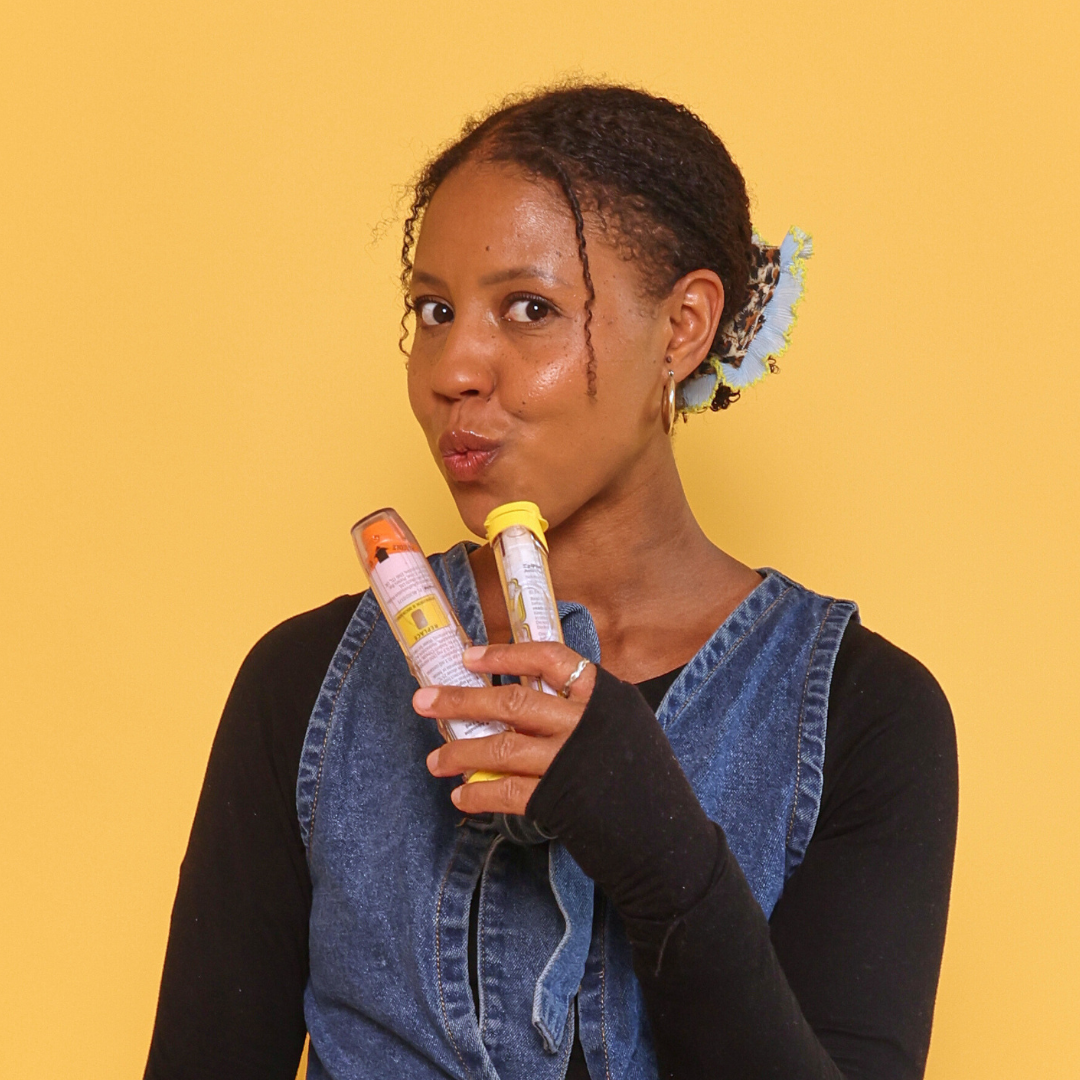
Lindiwe Lewis is a content creator, allergy advocate, and host of Behind the Allergy; a platform and podcast dedicated to honest conversations around living with severe allergies and anaphylaxis. Through relatable content, expert interviews, personal storytelling, and community-led conversations, she creates a space where people navigating allergies can feel seen, informed, represented, and less alone. Her content explores everything from food anxiety and travel to relationships, parenting, confidence, and everyday life with allergies; helping individuals and families find practical support, trusted information, and a community that truly understands.