344: How New Zealand Is Redefining Event Menus Through Culture and Sustainability


Recorded live from the 100% Pure New Zealand booth at IMEX America, this episode explores how Aotearoa is redefining event dining through connection, culture, and conscious hospitality.
If “korero and kai”—making meaningful connections over shared meals—sounds like the event experience you want, this episode delivers a masterclass in cultural authenticity and responsible sourcing. Discover how New Zealand is weaving Maori traditions with bold sustainability moves, from pest-hunted venison to reusable coffee cups, while ensuring that every guest can find their place—and their favorite flavors—at the table.
Tracy sits down with Natalie Fulton of Tourism New Zealand and Loryn Blaikie from the soon-to-open New Zealand International Convention Centre. Together, they unpack how menus are becoming more inclusive, sustainable, and regionally inspired than ever before. Hear how zero-waste practices, innovative allergen management, and even local foraging experiences are transforming what’s possible for group dining.
Listen in for inspiration and delicious ideas you'll want to take to your next meeting!



Heard on the Episode
"It's called korero and kai. It's about coming together, connecting with each other, sharing a meal, and it really is the way to establish deeper connections."
~Natalie Fulton 01:02
"We're wanting to make sure that we reflect a really strong ethos and we remain responsible as a host... so people can make those choices themselves without being forced upon."
~Loryn Blaikie 02:37
"Te Pae in Christchurch… is one of the very first convention centers in the world to be deemed as carbon net zero."
~Natalie Fulton 04:23
Key Topics Discussed
Māori Principles & Food Culture
Emphasis on connecting over meals (korero and kai)
Hospitality as cultural practice
Sustainability Innovations
Regional programs eliminating single-use coffee cups
Convention centers striving for carbon net zero
Nose-to-tail and pest-based sourcing (e.g., venison from deer eradication)
Inclusive & Transparent Menu Design
Menus that prioritize well-being, energizing foods, and mocktails
Allergy-aware stations creating community
Ingredient traceability from farm/ocean to plate
Regionally Inspired Cuisine
Menu diversity tied to New Zealand’s geography and melting-pot makeup
Sourcing produce and specialties from distinct regions
Wellness & Non-Alcoholic Trends
From Manuka honey to botanical mocktails
De-alcoholized New Zealand spritzes and tonics
Key Takeaways
Authentic Gathering: New Zealand’s indigenous culture prioritizes sharing meals for authentic connection, a practice now infused into large-scale events.
Next-Level Sustainability: Circular food systems, zero single-use items, and inventive local sourcing ensure events tread lightly on the land.
Meeting Every Need: Dietary requirements are embraced as an opportunity for inclusion and, in some cases, building new communities among attendees with shared needs.
Wellness Focus: Nourishing, transparently sourced menus and beverages (including sophisticated non-alcoholic options) are the new standard for group events.
Region as Menu: Leveraging New Zealand’s diverse climates and produce makes menus distinctive, memorable, and sustainable.
Tips
Center Well-Being: Curate menus for energy, mental clarity, and wellness, not just satiety.
Foster Connection: Design seated meal experiences that encourage conversation and inclusion.
Source Transparently: Let guests see the journey of their food—traceability builds trust and excitement.
Rethink Waste: Partner with suppliers committed to local, on-demand, and low-waste models.
Elevate the Non-Alcoholic: Treat zero-proof wines and health-focused beverages as first-tier offerings.
Like what you heard? Subscribe to our newsletter for more episodes and insider content delivered right to your inbox!
Tracy Stuckrath [00:00:00]:
Hey everybody. So I am in the 100% Pure New Zealand booth at IMEX America and I am sitting and talking with Natalie Fulton, CMP from Tourism New Zealand, and Lauren Blakey from the New Zealand International Convention Center, which is opening in February of 2026. 6, and we're gonna talk about the food culture of New Zealand and what that means when you're bringing a group to New Zealand. So Natalie, what is it about bringing food? What is the food culture of New Zealand?
Natalie Fulton [00:00:44]:
Well, I, you know, and I'm, I love taking groups there 'cause I think people are really surprised at what they find. People know they're coming to New Zealand for sweeping landscapes and the welcoming people, but they don't always think of us for the food culture. And, and really the Māori established such a beautiful culture of sharing food over a table. It's called korero and kai. It's about coming together, connecting with each other, sharing a meal, and it really is the way to establish deeper connections. And so I think that people need to realize that there are lots of options in New Zealand. It's a beautiful melting pot as well where we're located in the world. You've got all kinds of cultures that are coming together.
Natalie Fulton [00:01:22]:
So on top of the indigenous experience and the, the naturally grown produce and beautiful seafoods that are available, you've got this melting pot of cultures coming together and establishing some really amazing flavors within the food.
Tracy Stuckrath [00:01:34]:
And you're building a convention center and you're bringing your— the purpose is to bring people together. So how are you going to do that with, with what Natalie just said? How are you going to incorporate that aspect into the convention center?
Loryn Blaikie [00:01:51]:
Yeah, absolutely. So look, Aotearoa New Zealand is renowned for its fresh, high-quality produce and its commitment to locally and ethically sourced ingredients. And that's something that our incredible chef, Chef Rob, has brought through to his philosophy. He is a Kiwi bloke from the South Island in Kaikoura, but has also cooked for the Royal Jordanian family. So he has this real refinedness about him, but he has this essence of everything that Natalie's just touched on about that kōrero ngāi, the impact that food can have as people, and he is taking that as an extension through to what we'll be delivering in the ICC. Look, there's other elements to it. You know, the menus for the ICC look well-being forward. Menus and energising breakfasts, lighter lunches and low alcohol and mocktail offerings are something that's kind of been pushed to the fore.
Loryn Blaikie [00:02:37]:
It's— we wanting to make sure that we reflect a really strong ethos and we remain responsible as a host and as a venue to ensure that we're not only catering for those with dietary requirements, but we're also offering options that people can make those choices themselves without being forced upon.
Tracy Stuckrath [00:02:54]:
Well, yeah, because a lot of times you go to an event and you don't have any options, right? And how are you left feeling with that? I want to bring in Natalie. You and I have had conversations before about sustainability and waste. So I want to just touch on that and how that incorporates into the culture of New Zealand. Then I want to bring that back to the convention center. To say, hey, how are we going to manage it? How are you going to manage that?
Natalie Fulton [00:03:17]:
Yeah, I think in general there's a true duty of care that the New Zealanders feel for land. I think that again stems from the indigenous culture, the Māori people. It's about leaving New Zealand for future generations and making it a better place for them. And that then affects everything they do in daily life. So truly, they're not— it's not a trend. It's not something they're taking on as a new concept. It's something that has always been there in the responsibility. Of how they approach the food and beverage scene.
Natalie Fulton [00:03:48]:
For example, in the South Island, Queenstown and Wanaka have done an amazing job at eradicating disposable coffee cups. They've actually been able to implement a program where all the cafes in Wanaka have keep cups that they distribute at the different cafes and they all share that. And at the end of the day, there's a service that collects all the cups redistributes them amongst all the cafes. So it's in the DNA of all these different regions to find and innovate ways to be responsible. And I— there's tons of stories like that happening all throughout the country. Te Pai in Christchurch, our convention center in Christchurch, was one of the very first convention centers in the world to be deemed as carbon net zero. And so they're doing some fascinating things in the sustainability sector with their food and beverage programs. They're eliminating a lot of the waste.
Natalie Fulton [00:04:39]:
They're dehydrating their waste, I think, so that it They pull all the water out of it and turn it into nutrient for the soil and are able to then use that land to farm for produce for their menus as well. So there's lots of stories being told in all the different regions that follow these practices that are pretty fascinating.
Tracy Stuckrath [00:05:00]:
Yeah. Lauren, so how is that going to translate into the convention center? And Chef, some of the stuff that we talk about in food waste management is not A lot of the focus has been on the surplus and what do we do with the surplus. So how is he going to do focus on the pre-production to reduce the waste there?
Loryn Blaikie [00:05:16]:
Yeah, absolutely. So look, sustainability is at the core of Indi-Icc, but that goes beyond the four walls. Like you say, it's not just about waste. So Jeff Robb's kaupapa, which means his kind of ethos and his— the way he's looking at it, he has really provided opportunities for smaller independent providers to actually grow this upscale their business. For example, there's this fantastic company down south called Ocean Speared. They are the first commercial fish— fishermen, I suppose we'll call them— that actually have a license to spear fish, and they catch to order. Oh wow. So all of our fish is caught to order.
Loryn Blaikie [00:05:49]:
So in saying that, you know, he'll let Chef Rob know where he's fishing for the next couple of weeks and say, this is what I might get. He'll then send it straight up to Auckland. That will get straight on ice. And so in terms of, we're not out there trawling for fish. We're not buying it in that true overwhelming kind of commercial sense. But also those bones from the fish and the scrap will actually be repurposed. It's a nose-to-tail ethos and operation. But also, you know, New Zealand's pest eradication, we take things to the next level and we've done very well.
Loryn Blaikie [00:06:17]:
But it's not really known that actually venison and deer are a pest in New Zealand. There are organizations in the South Island who actually hunt hunt the pest, and so hunt deer, and it's then repurposed and it's sold on to restaurants. So that's where our deer and our venison will be coming from. So it's kind of this ecosystem as well. But look, ultimately, you know, it's talking about upscaling leftovers as well. What can we do with leftover fruit? How can it be repurposed? Things like measuring waste at the end of a dinner so you know, well, actually, do we pull it back for future operations? But look, ultimately, the NZICC kaupapa around food is So our guests can actually see the full journey of their food from, like, from farm to ocean and to plate. But the transparency that we can trace it every step of the way, that's the transparent—
Tracy Stuckrath [00:07:02]:
I think transparency is a huge word these days and we need it across the board. And I like the fact that you're doing that with the food and beverage because people want to know where it's sourced, what's in that pastry that you're serving them. And the fact that you're focused on that is really important. Thank you. Overall well-being when you're thinking about visiting New Zealand and how does that come into play when you're thinking about designing menus?
Natalie Fulton [00:07:29]:
Yeah, I mean, that's a huge focus for us too. It always has been. And certainly the 100% Pure New Zealand brand, especially right now with a new campaign we've got going on, is all about refilling your cup, bringing you back to 100%. We're all, we're all feeling a little bit worn down sometimes. And I think that New Zealand has an amazing opportunity to build you back up to your full potential. And so many healing things and wellness elements in New Zealand, including like manuka honeys. You've got beautiful juices and tonics that can be used for making sure you're taking care of your body and your immune system in different ways. So lots of different things that you can be drinking other than our beautiful wines and Sauvignon Blancs that many do know us for years on.
Natalie Fulton [00:08:12]:
We now have a lot of zero-proof wines that are being made within New Zealand, some great brands that are known all over the world, which is great at this point. But yeah, lots of options in the wellness space to make sure that people are really taking care of themselves.
Tracy Stuckrath [00:08:25]:
When you're just thinking about that and going back to kind of what you said at the very beginning and the wellness, it's sitting down at a table with people. Is that really— I think we all should be doing that, but I think we've all forgotten how to do that and sitting down and the importance of having a conversation over a meal. How does that Did we already answer this question, like incorporating that into the meal?
Loryn Blaikie [00:08:48]:
Yeah, absolutely. There's an element of tikanga in Te Ao Māori, and that is the way that we do things. And, you know, an example is when you do your, your welcome, so your pōwhiri, where your guests are welcomed into your space. Once you've done that, you then stop and you eat and you break bread with them. You chat, you talk, and you consume in a way that's actually bringing you together. It's not so transactional. You sit down and you share a meal. And I think it's a real essence about sitting around the table.
Loryn Blaikie [00:09:14]:
You know, I know that we used to do it as a family when I was a child, but you see it less and less. And that kind of kaupapa comes all the way through with how we expect people to actually, you know, come together. We do it as a team once a month where 5 of us cook and we come together and we call it our kaingōrero kind of session where we update, but we talk and we cook things that are special to us. So again, you're bringing those personal elements in. And I think, you know, it's very rare for us to meet with someone that's not over, over kai or something to drink. And it's always an element of what we do. And we've got the ability to make that special. And I feel that we do it in a really authentic way in New Zealand.
Loryn Blaikie [00:09:50]:
And it's something that our delegates get the opportunity to experience in the way that we would in our everyday lives. Oh, I like that.
Tracy Stuckrath [00:09:56]:
Okay, so you, you just mentioned that event that you do and you cook for each other. So what kind of food and beverage activations have you seen or activities that you can, you do throughout the entire country? Have you really unique ones or that you— do you have some plans for the convention center?
Loryn Blaikie [00:10:13]:
I think there's some great stories out there that Chef Rob's been able to bring in. So, for example, you know, all of our cocoa is sourced from the Pacific nations because it can be ethically sourced. But we're also providing an opportunity to go back into those communities and help fund the there. And I think there's elements of that that you will find stories like that right across the country. You know, we have Waiheke Island, which is a 40-minute ferry ride from Auckland, and it is just this incredible own ecosystem. It's got vineyards, that's what they're known for, but you can have a glass of wine and then you can go ziplining, you know. So you've got these, these experiences that you can really combine with food and, and the beverage element. And I think as we, you know, the philosophy around NZICC is that we're fueling for nourishment.
Loryn Blaikie [00:10:54]:
It's not just a buffet at a convention. It's actually these items have been selected because they're going to get through to, you know, these next breakout sessions. And I think as time goes, we'll start to see that becomes the trend. It already is in New Zealand, but if in many venues, I just think it's going to strengthen that offering.
Natalie Fulton [00:11:12]:
I love that you've said that. Do you believe that it's so important when we think through these menus to make sure that you're, you're giving fuel to your people so they can learn and they can then take on the content that we're trying to fill them with. It's so important. And I agree. I think, and we've, you know, I think Tracy, we've talked about that in the past, that to menu design in that way. And I think New Zealand, all of the food there in general feels very much not processed. So a lot of times you're getting really healthy fuel into your body. And I did wanna mention some other ideas for activities with eating, which I've, I've found throughout the country that are really exciting.
Natalie Fulton [00:11:47]:
And one of my favorite that I've been speaking to recently is the Hotel Britomart is a gorgeous facility, 5-star accommodation in Auckland, and they partner with a farm outside of Auckland called Velskov, and they will actually take you foraging with a Māori person and they'll talk about the healing powers and, and components of some of these different herbs. There's kawakawa, which is an indigenous plant to New Zealand. They'll make teas out of that. And so you can actually go into this beautiful natural landscape, which is in itself is a fantastic experience, but also with a guide who's giving you the background and the knowledge about what these plants and wildlife have meant to the country. And so you're getting a really robust experience by doing that. And it's very small and intimate and gives you a true immersive experience.
Tracy Stuckrath [00:12:34]:
That sounds awesome. Really amazing. And because we're not live, I can totally cut this.
Loryn Blaikie [00:12:40]:
Where—
Tracy Stuckrath [00:12:40]:
what— what is there something that we've missed based on what we talked about before?
Natalie Fulton [00:12:43]:
We talked about the testing, building forward, inclusive design with allergy aware, which we kind of touched on. We've talked about— yeah, we kind of hit most things.
Tracy Stuckrath [00:12:56]:
Yeah. All right.
Natalie Fulton [00:12:58]:
Yeah, I was— one of the things that Takai had brought up is that they— the opposite of— so we talk about inclusive design and not wanting people with allergies to feel separated. One thing I was interested by, the notes that they gave us were about— did they actually do, do an allergy table?
Loryn Blaikie [00:13:12]:
Which seems slightly strange.
Natalie Fulton [00:13:14]:
The feedback they've had from people was that they've actually met— what was so warm and fuzzy for them is they would go to the table and other people that were going to the table were their community. Wow. So they were finding this like connection amongst themselves. That was kind of an interesting way. It wasn't about separating them. It was that they've actually found their kin.
Tracy Stuckrath [00:13:32]:
Right.
Loryn Blaikie [00:13:32]:
Yeah.
Tracy Stuckrath [00:13:33]:
Can you say that again with the mic? Yeah.
Natalie Fulton [00:13:35]:
So one of the things I know that the NZICC does really beautifully is integrate allergens into their menu so that people don't feel secluded by having their meals separated. However, I will say that Tapai in Christchurch does actually do an allergen table where they put specific menu on a buffet in that one area. And it funnily enough brings people together because those that are seeking this special menu are able to find themselves and find community in the people that are going to that table. So it actually has, has quite the opposite effect of singling them out. It makes them feel included in a group of people that are all seeking out this this cuisine. So it can work both ways, which is really nice.
Tracy Stuckrath [00:14:14]:
Yeah. I mean, I've seen it not work when I'm for a group of 15,000 and we have a whole separate tent for kosher and all them and nobody knows that it's over there. So it gets unused. But in a more intimate setting, I can see how that can really help bring that community together. And I, and that's an, I love that story because it actually, and somebody mentioned to me that they saw that recently as well. And I was like, oh, that's a little exclusive. But on that note, it helps them know they're in a comfortable place.
Natalie Fulton [00:14:42]:
Yes. I see.
Loryn Blaikie [00:14:43]:
Right.
Natalie Fulton [00:14:43]:
Yes.
Loryn Blaikie [00:14:43]:
Perfect.
Tracy Stuckrath [00:14:45]:
Right.
Loryn Blaikie [00:14:45]:
Yeah.
Tracy Stuckrath [00:14:46]:
Okay. So, and I don't know the answer to this. So how long is, how, what's the length of New Zealand from top to bottom? And does the culinary change from north to south?
Natalie Fulton [00:14:59]:
Great question. You know, it, it's a country about the length of California, so not a big place necessarily, but very diverse terrain, which is pretty amazing. The North Island tends to be very much South Pacific and tropical in nature. You've got a lot of geothermal activity. So in fact, the, the Māori culture has a thing called the hangi, and it's about steaming cuisine in the volcanic underground and cooking things that way. So it's quite interesting, and you can have those experiences at different places throughout the country in the North Island. As you move down to the south, you're, you're quite south, so it becomes a little bit more alpine and ragged mountains. It's cooler, so you're growing different things.
Natalie Fulton [00:15:40]:
So a lot— you can have a really a lot of option all throughout the country with diversity and how the menus are being determined. Lots of more warm, rich flavors in the South Island when they're dealing with those colder climates. And the other thing I think I mentioned before, but because it's such a melting pot, you do have a lot of the South Pacific flavors showing up in some of the different areas as well. And, and some of that's dictated by where people are transplanting themselves. So Queenstown, for example, is very much a seasonal town where a lot of people come to work in either the ski fields or in summer. And so they're bringing those flavors with them during those times.
Tracy Stuckrath [00:16:20]:
Now, Lauren, are you going to incorporate— is Chef incorporating that kind of north-south cuisine into the convention center menus?
Loryn Blaikie [00:16:27]:
Yeah, absolutely. So being a Kaikoura boy, he is used to, you know, literally getting crayfish from the side of the road. So lobster, it's renowned in that area. You know, your fish change as well. So like blue cod in the South Island, snapper in the North Island. But it's also about him taking people on a journey. He's really focused on trying to establish suppliers who are local, so making sure that everything is sourced intraceable, as we've touched on. But actually looking at, you know, heat, for example, we know with wine regions, you know, say I'm a huge fan of Pinot Noir from Central Otago.
Loryn Blaikie [00:17:00]:
I'm not a huge fan of Pinot Noir that comes from, say, Manurewa, the North Island. So as an example, finding the best of the best in certain areas, you know, we've got incredible produce that grows within the Bay of Plenty region. It's known for its avocados. So that's where the avocados were cut from. So finding things that make sense is, you know, not trying to reinvent the wheel, but also taking things back to basics. You know, he did this incredible meal for us recently where we had Ocean's Bed join us and they had caught the fish the day before. They caught the fish and he prepared it. He made a salad out of celery leaves, you know, celery leaves that you would normally just throw away.
Loryn Blaikie [00:17:34]:
He paired it with a pear and blue cheese and walnuts, and it was the most incredible thing any of us had eaten. It was made though using something that you would normally dispose of. So he's really taking that full holistic approach with what he does. And so I'm super excited for our guests and our delegates to actually get the experience of that. It's special.
Tracy Stuckrath [00:17:53]:
Yeah, totally sounds like it's special. I was— this somebody, who would they— they were talking about today that they actually took the end of a whatever veg— oh, cauliflower, and made it like so that it was— looked like a piece of lobster and like using the stalks as— or no, like a scallop. Yes. And totally, and preparing it that way. And the leaves for something else. And because there's only so much you could do. We think that there's only so much you can do with cauliflower, but there's so much more that you can do. All right.
Tracy Stuckrath [00:18:26]:
So you mentioned, and we actually have a bottle of Giesen de-alcoholized spritz, rosé spritz. Yes. So when you mentioned that you have a lot of, you have some brands that are in New Zealand, can you talk about that NA market?
Natalie Fulton [00:18:43]:
Yeah. You know, I think it is becoming quite popular. I, I sit in Los Angeles, so I get to see some of the brands that get to make it over to our market. And Giesen is one of them that's done really well. They've got the sparkling, which I really love cuz it does, it totally takes it. Anyone who wants the kind of that bubble and that energy, you, it will totally hit that need for that. They've also got Sauvignon Blancs and Pinots as well. And then AF is another, another brand that many will recognize in the US, but also, but are huge in New Zealand.
Natalie Fulton [00:19:12]:
And they've got all kinds of different cocktails and mockable mocktails that they're using. And it, and the cans are super cute. So you feel, you don't feel like you're not taking part of the celebratory experience that having a cocktail might be. So you've got lots of options in that space. And then even like I said, the tonics, you've got people working with neurotropics and, and different berries that are meant to kind of, they do actually, they've proven to be able to give you some of that, the warm and fuzzies that, that actually alcohol might give you without having to go through the pain the next day. So you've, people are playing with those flavors and those, and those juices so that you can also take part.
Tracy Stuckrath [00:19:52]:
So now my next question is, so chef is a chef. Is he a bartender as well? And is he partnering with the beverage? Because I mean, I've chatted with some non-alcoholic beverage experts and like the chefs are enjoying pairing the non-alcoholic with the food.
Loryn Blaikie [00:20:11]:
Yeah. So our director of operations, Ian Love, who is fantastic, he and chef been working very closely on our beverage list because the way NZ Ice is The wine list at Sea has been designed and it's included so many voices from our industry. We actually brought together 70 of our clients along with, I believe it was 35 different vineyards and 70 different wines. And our clients chose our wine list. They all tasted everything, they took their notes, and then those notes were collated. But also when chefs finalize menus, he has sat down with that boat's list and been like, well, what's going to pair? What works well? They're an incredible team. They both literally started in the same week, so they've kind of gone through the process pieces together. It's a really special thing to view.
Loryn Blaikie [00:20:51]:
But also, Ian is— he looks at that, that well-being side of it as well. So to touch on, you know, what Natalie's, you know, talked about, so we'll have— there's a product called— it's called By Chia Sisters, and it's actually drinks that have chia seeds in them that will be offering on our standard menu. Kombucha for gut health and such like. These have all been woven into our standard packages. And, you know, it's something that chef's also quite proud about and He, he's been very conscious of the way that he's looking forward alongside what, what that overall kind of average cost as well.
Tracy Stuckrath [00:21:24]:
It's always we say F&B and everybody focuses on the F so much more than the B, and the B can have such an impact.
Natalie Fulton [00:21:33]:
And in that vein, I mean, even, even the accoutrements that you're putting on coffee breaks and things, we have access to Manuka honey, which people can put in their teas. So there's, there's even little elements of wellness there that are those special details that can elevate a coffee break without— and making it feel like it's deeper than just a shaver of— or a carafe of hot water.
Tracy Stuckrath [00:21:57]:
Right.
Loryn Blaikie [00:21:58]:
Yeah.
Tracy Stuckrath [00:21:58]:
A carafe of hot water that costs the same as a carafe of coffee.
Loryn Blaikie [00:22:01]:
Yes.
Tracy Stuckrath [00:22:02]:
Yeah. Okay. So I've been asking this week, I'm gonna ask you all 3 questions that I've asked all week long. So, Monday was Smart Monday here at IMAX powered by MPI. I need to make sure I make— say that. So what is one smart thing that you've seen done or you're going to be doing that relates to food and beverage?
Loryn Blaikie [00:22:22]:
So what we're doing for our coffee service is that standard coffee breaks will include cold brew and hot brew.
Tracy Stuckrath [00:22:28]:
Oh my.
Loryn Blaikie [00:22:28]:
It will be a case of they'll be like similar to what you've seen in Starbucks walking around. You know, you've got the two, two fountains. That will be a standard offering with all of our breaks. So what, from a smart perspective, they're taking things that we love and we expect, but they're kind of mixing them up to where people can expect to see from a level of refinement or just something that's different.
Tracy Stuckrath [00:22:50]:
Yeah.
Natalie Fulton [00:22:51]:
I think I'm, I want, it's not necessarily the actual cuisine, but the, the non-single-use coffee cup situation and using vessels that are not just completely throwaway is something I really want to make sure we're focused on. We all wear in the booth these shirts that have the symbolism of TIACI, which is our visitor promise. And I don't— I feel like if we're going to wear the symbolism, we need to make sure that when we're doing trade shows at a conference that we're really thinking through all the details and that everything has, has been, you know, we're not talking out of both sides of our mouth, that we are actually making sure that we have thought through what we're offering and and trying to eliminate as much of the plastic and such that we can.
Tracy Stuckrath [00:23:33]:
I love that. All right. So question number 2 is we're in this convention center with more than 100 different destinations. You all are representing New Zealand, but is there anywhere in the world that you would want to go eat outside of New Zealand? One space.
Loryn Blaikie [00:23:51]:
I'll eat.
Natalie Fulton [00:23:52]:
I haven't really done the whole kind of Asian night market. LA. I live in Los Angeles and we've got some great options there. But I haven't authentically done that scene. And I'm really interested in that kind of thing, eating some really fantastic noodles and, and those, those spicy flavors on the side of the— in the street in the nighttime. I think it's a beautiful thing.
Loryn Blaikie [00:24:12]:
Yeah.
Natalie Fulton [00:24:12]:
Yeah.
Loryn Blaikie [00:24:13]:
And I can contest to that, that it is really special. For me, I've always said I'd love to go to New York for the food. And I'm actually heading there next week alongside Tourism New Zealand to do some sales activity. And I think I've got half a day on the Saturday before I fly out. And my, my job is to taste as much as I can. I love— from what I can see, it's almost like a simplicity to, to the cuisine, and I'm really excited about that. I also consider myself quite lucky in what I have experienced already, but for me, there's always been this pull of wanting to, to try High Sick New York pizza, as an example. Like, yes, yes, I'm looking forward to that.
Tracy Stuckrath [00:24:48]:
Bagels. And then there's a whole pickle store. I need to— I'll find that out and tell you where that is because I went there. I'm sure there's a picture on my phone that tells me the name of it. So, okay. And the question for today was, or is, what food and beverage trend do you think will influence how we meet and eat in 2026?
Natalie Fulton [00:25:11]:
I think the focus on potentially offering vegetarian first and then selecting meat options as your alternative may start to turn a corner only in that I think it does help a lot of different issues with cost, not necessarily only doing vegetarian, but trying to work through that. I know that there are some back and forth on how that affects costs and it can sometimes cost more if it hasn't been completely thought through. But I think there is still a way to do it in where it's saving some of that. It's teaching us all to think a little bit more creatively about how we eat in our own worlds and, and not just putting ourselves in the idea of whether or not we are meat eaters or vegetarians. I think all of us could probably lend to have a vegetarian meal once in a while. So I am hoping that that is something that starts to get a little more developed and then we understand the creativity of using vegetables more often.
Loryn Blaikie [00:26:07]:
Mine's kind of full circle and how Natalie opened this about Kai and Kōrero and specifically for NZICC, there'll be no single-use items. So our café will be the these beautiful crockery cups that you, you drink and you stay there. You, you don't, you know, like, you can come back and return it. But I like to think it encourages people to stop, take a minute, slow down, have a chat, and actually consume in a meaningful way and actually giving the most of what they're eating. And I'd like to say that and see that with the complimentary options of where Chef's heading and where, where Ian's heading, that actually that will be achieved with our delicacies.
Tracy Stuckrath [00:26:45]:
I love the fact that when you sit down, because you can't take that bottle of water or whatever with you, you're going to spill it, that you have to sit down and intentionally drink it. I love that. Thank you. Okay, one final thing. Finish this sentence. Every meal should be delicious.
Loryn Blaikie [00:27:03]:
And life's too short to drink bad coffee. And in New Zealand, we love strong coffee. And I've realized that has become my entire identity.
Tracy Stuckrath [00:27:13]:
All right, Natalie.
Natalie Fulton [00:27:16]:
Enjoyable, I think. And it's all about your, your person that you're sitting with. I mean, it is not just about the food. I've actually been on my own health journey this year. I've lost quite a bit of weight. And so I have been really focused on what, what I've been putting, what I've sat down and eaten. And it is about enjoyment and it's okay to enjoy the food and the company, but of who you're with. I think that's all what it's all about.
Natalie Fulton [00:27:40]:
You can't be so focused on trying to be really, really healthy or, or eliminate anything out of your diet. So you gotta enjoy it all.
Tracy Stuckrath [00:27:49]:
Yeah. Awesome. Okay. Now tell everybody how to get ahold of you.
Natalie Fulton [00:27:52]:
You can find us, I am actually in Los Angeles, so I'm the North American representative. So in, in the time zone of North America, you can find me on the website of Tourism New Zealand. Anything, if you Googled New Zealand in any fashion, you're— I'm bound to pop up as your representative. So we look forward to connecting with people.
Loryn Blaikie [00:28:10]:
So similar, our website, NZICC. So I'm the International Sales Manager. I look for Lauren, but look for it spelt L-O-R-Y-N.
Natalie Fulton [00:28:18]:
Okay. All right.
Tracy Stuckrath [00:28:20]:
Fantastic, ladies. Thank you very much for joining me. Everybody, until next time, stay safe and eat well.
Tracy Stuckrath [00:28:27]:
Thanks for listening to the Eating at a Meeting podcast. Where every meal matters. I'm Tracy Stuckrath, your food and beverage inclusion expert. Call me and let's get started right now on creating safe and inclusive food and beverage experiences for your customers, your employees, and your communities. Share the podcast with your friends and colleagues at our Eating at a Meeting Facebook page and on all podcast platforms. To learn more about me and receive valuable information, go to tracystuckrath.com. And if you'd like more information on how to feed engagement, nourish inclusion, and bolster your bottom line, then visit eatingatameeting.com.
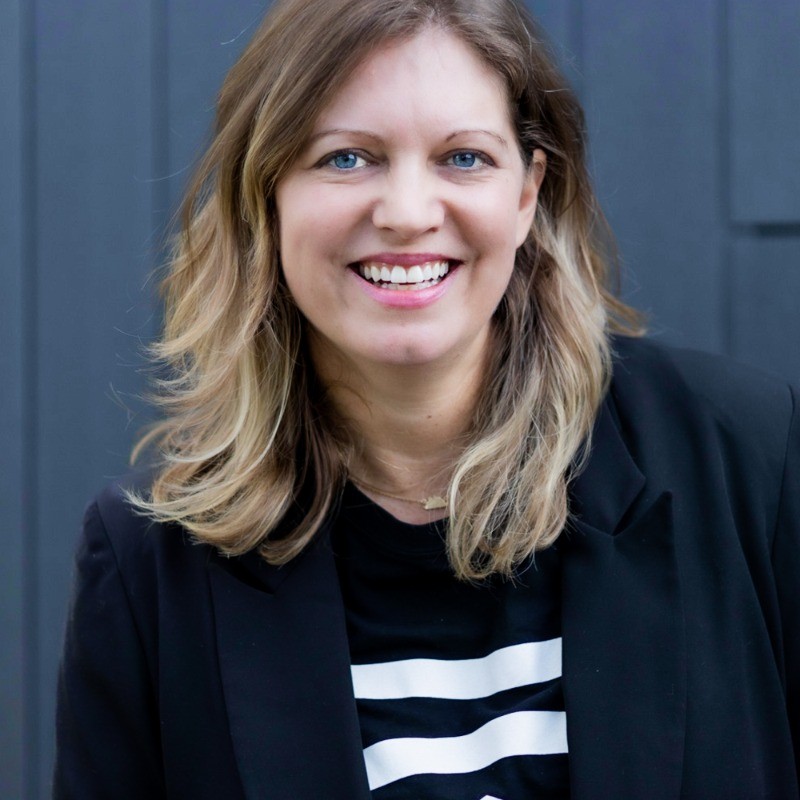
Business Events Manager @ Tourism New Zealand
With over 25 years of experience in the entertainment, incentive, and tourism industry, I am a passionate and professional Trade Manager for Business Events, Americas at Tourism New Zealand. My mission is to promote New Zealand as a world-class destination for meetings, conventions, and incentives, and to generate business opportunities for the local tourism sector.
As a Certified Meeting Professional (CMP), I have the skills and knowledge to plan and execute successful events that meet the needs and expectations of clients and stakeholders. I have a proven track record of exceeding sales goals, increasing lead generation, negotiating favorable contracts, and delivering high-quality service. I also have a strong network of industry contacts and partnerships, and I enjoy speaking at trade shows and events to showcase the unique and diverse offerings of New Zealand.
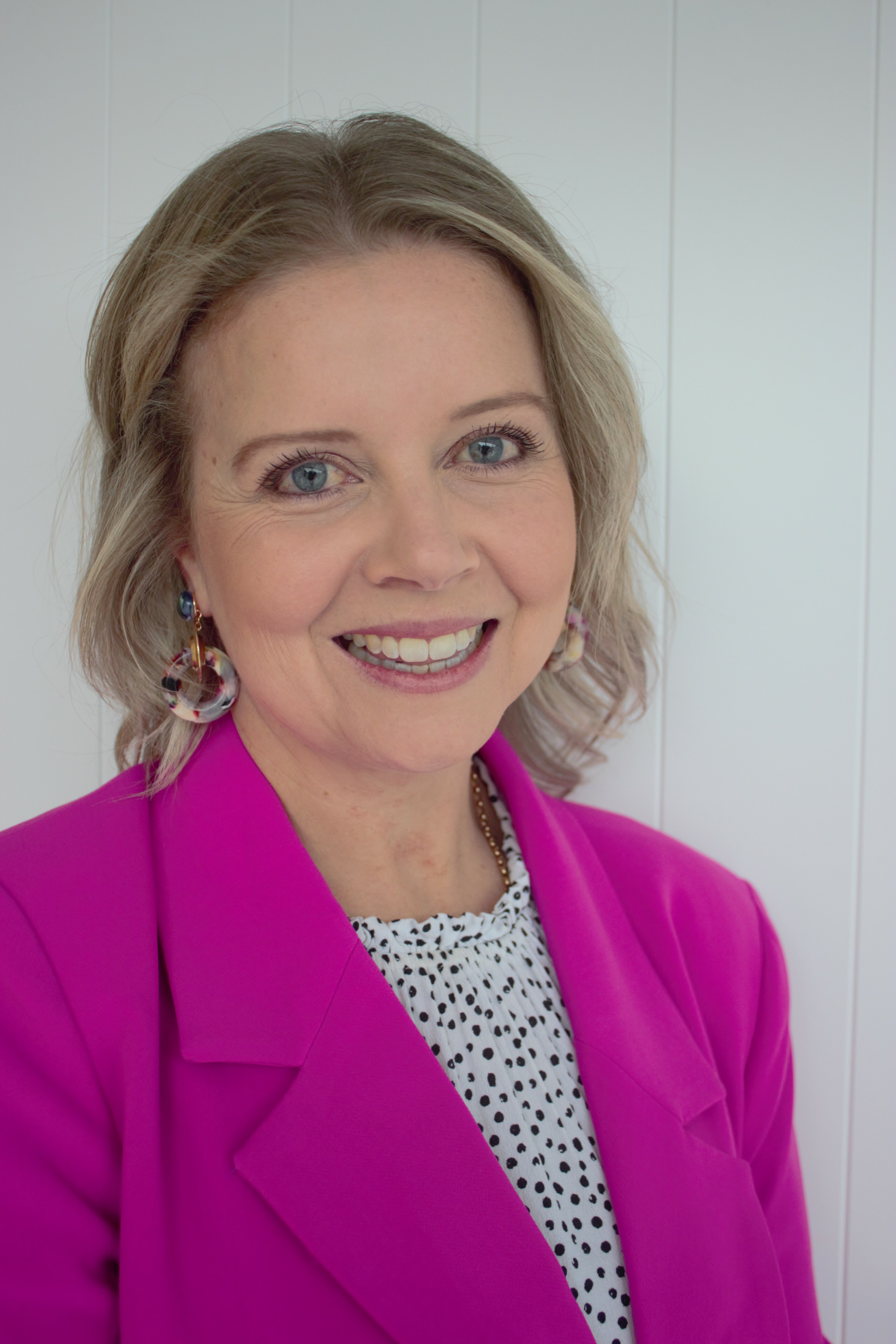
International Sales Manager
Experienced in client relationship management, event management (planning and delivery), marketing, communications, business development, stakeholder, and member engagement. A demonstrated history of working in the events services and marketing industry; skilled in account management (acquisition, retention & development), event planning, hospitality management, and marketing (traditional and online). A strong client relationship professional with a Bachelor of International Hospitality Management & Post Graduate Certificate in Marketing.