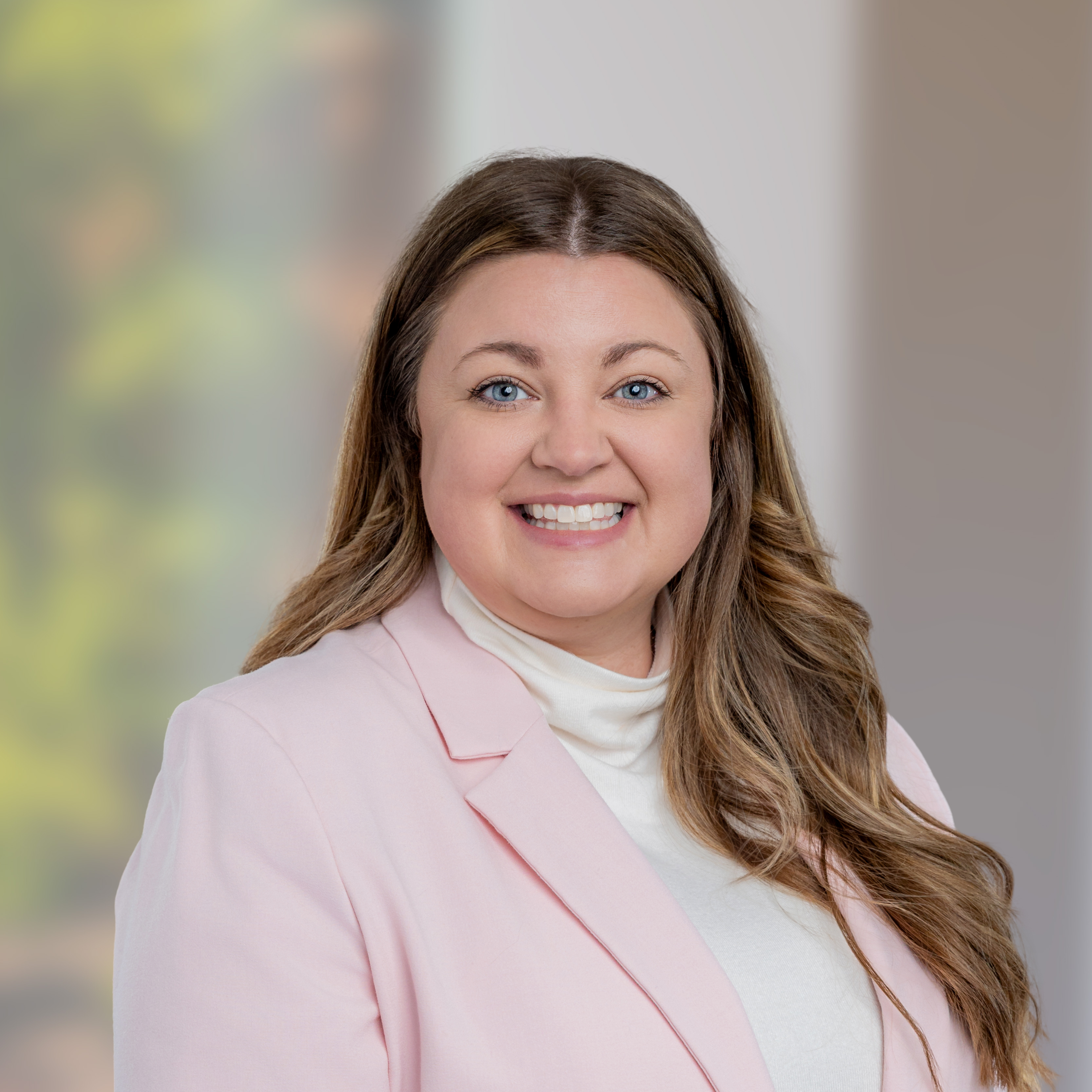
Tracy Stuckrath [00:00:06]:Hi, everybody, and welcome to Eating in a Meeting Live, which I am coming to you from IMAX again, my third broadcast for the show this week. And I'm so excited to bring you my two guests. Is my finger pointing the right way? I don't know. We've got Katie and Emily from Merits and we're going to talk about their new event menus app that they're designing. It's not yet released, so we're gonna get a sneak peek into that and why they're doing it. So welcome to the show, ladies.Katie Rennegarbe [00:00:38]:Thank you.Emily Thibodeau [00:00:39]:Thanks for having us.Tracy Stuckrath [00:00:40]:You're welcome. So give me, give the audience a little bit about what the two of you do. I know Katie, you're on the. You're like the behind the scenes data coder kind of person. Is that right?Katie Rennegarbe [00:00:49]:Yeah, technical. I am the manager of technology solution design. So I hear what our clients are looking for and help our technology teams design the technology or help solution or pick what we should be offering them at their events.Tracy Stuckrath [00:01:04]:Okay. Yeah.Emily Thibodeau [00:01:05]:Yes.Tracy Stuckrath [00:01:06]:Yeah.Emily Thibodeau [00:01:07]:And I am the vice president of event management, which essentially I support all of our meeting and event managers out there supporting our clients, designing our programs all over the world every day.Tracy Stuckrath [00:01:19]:Nice as you. I mean, how many events do you all produce, like a year?Emily Thibodeau [00:01:24]:I know my team. It's about over a little over 4,000, I think so globally, some small ranges, you know, small to citywide big conferences like this.Tracy Stuckrath [00:01:38]:Okay. And how many team members, how many.Emily Thibodeau [00:01:40]:Planners do you have at Merits? We have about 394 and I support our association and corporate markets. And so relatively about 230 are on my team.Tracy Stuckrath [00:01:51]:All right, fantastic. Yeah. So you all have been following me. I've interviewed. Oh, my God. Our brain just escaped. I'm not hearing Jill. Jill Blood and as well as Rachel, in charge of sustainability, about food and beverage and sustainability.Tracy Stuckrath [00:02:07]:But. And dietary needs have been on the radar for. I mean, I've been talking about them for 15 years now, so. But what instigated you all designing this and tell me the exact name, but the event menu app, that's really what.Katie Rennegarbe [00:02:22]:We'Re calling it, the event menu. Yes. Yeah, yeah.Emily Thibodeau [00:02:24]:And I would say, you know, it came about as we were working with clients and planning for programs. The more we really have started to notice just more dietary concerns, but at the same time just more diverse dietary concerns. Right. And so at the end of the day, we want to design experiences for people where they feel included and comfortable. And I mean, we're in the hospitality business and, you know, that's what we do. And the more we were noticing that, the more we were seeing a need to be able to bring people to our events and design experiences for them where they did feel included and comfortable. Just like when you're having a guest in your home, you want someone coming in your house and, you know, being excited to be there and, you know, feeling comfortable or. And so we came up with this idea just like if you're going to a restaurant right this weekend, you probably are looking at the menu ahead of time to see what maybe that you want to eat or you know, what sounds good.Emily Thibodeau [00:03:27]:And so we just thought that that would be a good idea and a good way for people to kind of feel comfortable coming in.Tracy Stuckrath [00:03:34]:Okay, awesome. Yeah. And then. So that came from an idea and it took it to your team.Katie Rennegarbe [00:03:38]:Yes.Tracy Stuckrath [00:03:38]:And then coding and all of that stuff. I mean, how do you make that happen?Katie Rennegarbe [00:03:42]:Yeah. So we are UX UI team. We kind of brought this idea to.Tracy Stuckrath [00:03:46]:Them and UX user experience it. What did you say?Katie Rennegarbe [00:03:50]:Ux. So it's user experience. UI is user interface.Tracy Stuckrath [00:03:55]:Okay.Katie Rennegarbe [00:03:56]:We're really bad tech person if I don't know that. So our UX UI team then kind of, we gave them an idea of what we wanted and they started building it out. So it's basically just a link. It's our like a standard link that can be put anywhere. So it's not necessarily an app, but it's a link we can embed in an app. We can put in a note before you go. So it's a great way to just get the word out there of what food is being offered. So our team then kind of created it with a team of Emily's, the Brand Events team, and between their brainchild and our UXUI team just kind of created this beautiful event menu link.Tracy Stuckrath [00:04:35]:Yeah, and it is. And I actually had a client this summer said I'm not putting the menus out there because they will show people, you know, they're going to leave and not eat our food. And I'm like, well, your men, your budget warrants them doing that. But, you know, but when you're. You don't want them to leave. So I think to me, my argument with her, or my argument argument with her is like, no, you want people to be able to experience it and know, do they need to go get something else to eat because of a dietary need or physical, you know, neurodivergence. Right.Katie Rennegarbe [00:05:08]:You plan for your day too. Like you think about even just coming here. Granted, we don't Know what the menus are. It's kind of on your own. But I know my breaks in my schedule when I can go get something to eat or a snack. So do I throw a bar in my bag to eat it? If I know I'm not gonna get a full meal of, say, protein at dinner or there's not a lot of pescatarian options, people can plan their day to still feel more included, like Emily was saying, to be a part of the event.Tracy Stuckrath [00:05:33]:Yeah.Emily Thibodeau [00:05:33]:And I feel like, for me, I would be more apt to go if I knew ahead of time and I knew, oh, maybe I should eat a heavier lunch or maybe I should grab something on the way so that I didn't get to the event not knowing what was being served, then found out I couldn't eat. And then you're, like, so hungry, and you're like, I've got to go get food. I can't stay here.Tracy Stuckrath [00:05:54]:And then you've left. And my discussion yesterday in the presentation session is that I've left and I've not built that relationship. I've not closed that deal. You know, I've not learned the education that my client or my company sent me to go learn, et cetera. So it. It diminishes that.Katie Rennegarbe [00:06:10]:Right, right.Tracy Stuckrath [00:06:11]:So what dietary. Because you mentioned pescatarian. So what dietary needs and allergens are you including in this? And labeling?Katie Rennegarbe [00:06:19]:Yeah, so it really kind of just depends on what's coming from the chef, the restaurant, the hotel venue. But we're looking at the big ones, the. The ones that are allergens, which is dairy, gluten, and then the other main ones, which are vegan, vegetarian, pescatarian. N. I think there's nine total. I don't know if I got. Contains dairy, nine allergens.Tracy Stuckrath [00:06:41]:And then there's vegan, vegetarian.Katie Rennegarbe [00:06:43]:Yeah. So they're like, we have nine total. But again, that changes. That's just what our standard is right now.Emily Thibodeau [00:06:48]:Okay.Katie Rennegarbe [00:06:48]:If we feel that a client has something else they want to add, we can do that.Tracy Stuckrath [00:06:53]:Yeah. I like to add when an attendee says, oh, I'm allergic to garlic, you know, add that. I mean.Katie Rennegarbe [00:06:58]:Yeah, so those are the main labels. But then we. If we are able to get the actual, like, ingredient, then we're going to list all of those as well. So if there are seed oils or something else, like, hopefully that's listed. But again, we're dependent on what the chefs or the restaurant or whatever make it. And your camera is frozen?Tracy Stuckrath [00:07:16]:My camera is.Katie Rennegarbe [00:07:17]:Yes.Tracy Stuckrath [00:07:18]:Okay. Well, hopefully it pops back up again. What was that? Ding. All right, you're good.Emily Thibodeau [00:07:24]:Okay, we're live. We're back.Tracy Stuckrath [00:07:25]:We're back. Well, and actually that brings up a good point because the other day or two couple weeks ago, a planner posted in a Facebook group, so saying who's getting pushback from venues on labeling. And this one convention center said we will not label for the top nine allergens because of liability reasons. And I'm like, your liability's worse when you're relying on somebody's brain to remember what's in the food. Right. And so do you have a strategy that you all have been working on to partner with those properties to get that information?Emily Thibodeau [00:07:59]:Yeah, I mean, we have run into that a couple of times, but it's been very few and far between. We work with really great partners that, you know, kind of know our expectations and know the kind of experiences that we like to deliver for our guests. And so I would say for the most, most part, they're very willing to work with us. Very willing. I mean, it also, I feel like it makes their job easier, like ahead of time. It's, it's gets things done sooner. Right. Because we have to know things further ahead of time to be able to prepare for it, put it in the technology.Emily Thibodeau [00:08:35]:So they're getting the answers that they need potentially sooner as well, which helps them.Tracy Stuckrath [00:08:40]:That's a really good point. Yeah.Emily Thibodeau [00:08:42]:And you know, I, I have found that in 99% of cases, our partners are really willing to work with us on it.Tracy Stuckrath [00:08:49]:That's good. So when I'm an attendee coming to one of your events and how does it. So I'm given a link, you said in an email or maybe on the event app, and I pull it up. Is it all of the menus listed in one link or how.Katie Rennegarbe [00:09:03]:Yeah, so everything is listed in one link. What we do is have it set up by date, venue, whatever. So you first day of your event, you click on that and then it could be breakfast, and then that breakfast is going to list, it's going to tell you where the event is being held as well. So if you're on site, off site, it's going to tell you if this is an off site meal or an on site meal, and then it's going to just list everything that's included. So if you have oatmeal, right. We'll say oatmeal, whatever. But then all the accoutrements to the oatmeal could be listed as well. So we break it down like that.Katie Rennegarbe [00:09:32]:So Everything that has a bowl or a plate or something that's being offered on a buffet that would be listed inside of that, per venue, per date, per time, per meal, everything.Tracy Stuckrath [00:09:44]:And that's a lot of information. And it. It does take. And I mean, this is what I do with my clients when consulting. I'm like, it takes time to figure that out and getting that and getting it correct and. Yeah, yeah. And there's been change, you know, always challenges. Right?Katie Rennegarbe [00:10:01]:Yeah.Emily Thibodeau [00:10:02]:How.Tracy Stuckrath [00:10:03]:Have you tested this out with clients and attendees yet?Katie Rennegarbe [00:10:05]:Yeah, so we've actually done it the past year, two years. For our brand events, our internal events. We have one that is for our clients and one for our supplier partners, and we've used it there. And we've seen great responses in all of our surveys from that. I would say people are like, this is great. I know what buffet to be lined to, because if that's where my favorite food is or if something's not here, it also helps with the flow of attendees. Instead of people backing up and, like, you know, peeking in what's there, they already have an idea of what's at that buffet.Emily Thibodeau [00:10:38]:And I feel like we're our worst. We're our own worst critics. Right. So, like, we're our own worst customers. So the fact that our teams and it. It has been. It's been our operations teams, our sales teams, our clients that we've gotten really great feedback. It's.Emily Thibodeau [00:10:53]:It's a good sign. So it helped us be able to continue to tweak it to where we feel like it needs to be before we put it on the market.Tracy Stuckrath [00:10:58]:Yeah, that's awesome.Emily Thibodeau [00:10:59]:Yeah.Tracy Stuckrath [00:11:00]:And because the whole point, I'm like, I will cut the line just to go see what's going on.Katie Rennegarbe [00:11:06]:Yes.Tracy Stuckrath [00:11:06]:Because a lot of times there's not a menu at the front of the line, and it's only on the buffet cards. So how do you. Speaking of that, how are you coordinating the language from what's on the app to what's on the buffet cards?Katie Rennegarbe [00:11:21]:So typically, you think you have a carving station. Right. Maybe you're going to give it a fun little name or just carving station. And in the event menu, it would say carving station. So you would see. So as you know, you're walking and, like, looking at the venue, you say, okay, well, that's the carving station. I can look at my app and see what's there or look at the event menu. So it's just.Katie Rennegarbe [00:11:39]:It's a way to get creative with your. Your. Your hotel and your dmc. Whatever it may be to come up with names to identify certain areas of your event or you know, breakfast, that's usually just one long buffet that's pretty easy. You can just list everything, you know it's there. So it's a fun way to also get a little creative with your events.Tracy Stuckrath [00:11:59]:When you have stations and the accuracy of the information from both of those things, how is that working out with your event planners? Like figuring, working with those culinary teams?Emily Thibodeau [00:12:10]:Yeah, I mean I would say it's pretty accurate. And if there are changes, obviously that's something that we can change in our technology with the information in the app. And so you know, for the most part it's been pretty accurate. Like it's building, you know, just like you would when you're kind of trying to figure it out without, without the technology.Tracy Stuckrath [00:12:32]:So on that note, I like the fact that you said that if you have to change something on the fly, is the event planner then the person who's making that change or is it going back to your team?Katie Rennegarbe [00:12:39]:So we're not to a real time on site change yet, but that is our next big thing is getting it to where our on site team, TV's event planners can make that change. But right now it is going back to our technology team for that.Tracy Stuckrath [00:12:52]:Load it out to your 4,000 event events.Katie Rennegarbe [00:12:54]:Yeah, yeah, yeah. So there's like it's these little things. Oh, that would be. They would be on call all day long making every little tweak possible.Tracy Stuckrath [00:13:02]:Yeah, yeah.Emily Thibodeau [00:13:03]:It is the meeting event manager calling.Katie Rennegarbe [00:13:05]:Yeah, okay.Emily Thibodeau [00:13:05]:Katie's team and saying okay, we need to make these changes.Tracy Stuckrath [00:13:08]:Right, okay, yeah, yeah. Now because I've interviewed Jill, right. And we talked about compliance and then the my health, my data information, I'm. You're not putting out individuals dietary needs on there. You're coding it based on their needs.Katie Rennegarbe [00:13:23]:Correct.Tracy Stuckrath [00:13:24]:So how does that, have you seen it helping with compliance and liability and risk management around food? And I going back to that liability question from that catering partner, but I.Emily Thibodeau [00:13:36]:Don'T think we've seen it yet because like we've said it hasn't. It's only been used right now within our own events.Tracy Stuckrath [00:13:42]:Right.Emily Thibodeau [00:13:43]:But I could see future forward where it would help because it does give people that advanced notice. And it's just another step that we're taking even pre program to be able to communicate transparently with our guests and our attendees kind of what's going to be happening, what their options will be. And so it's just an added layer there. I Mean, we're still labeling food on site, you know.Katie Rennegarbe [00:14:09]:Yes.Emily Thibodeau [00:14:11]:Definitely not a replacement for all of the precautions that we're still taking today on site. Yeah.Tracy Stuckrath [00:14:17]:I mean, because you can't, like, put that on the app and then just assume people are going to know what the food is. Right. Because I've been to events, and they put it on a big TV screen here. And can you do me a favor? There's a photographer in your booth ready to shoot us take photos. His name's Jerry. Okay. And, like, they put it on the TV screen and then they go. And this was in Europe, and Europe uses numbers like 1 and 2 and 3.Tracy Stuckrath [00:14:49]:And then they expect you to remember the code that's on the TV when you get to the buffet. And with just a number. And I'm like, okay, that's not. You know, we need to give some. Or the key is on the tv. And so it's. There's so much to it. Yeah.Tracy Stuckrath [00:15:04]:You know. Yeah. And making sure that everything is consistent. So what are you excited about it coming out? I mean, is there anything that people have been really super wowed about or another thing that you're going to add?Katie Rennegarbe [00:15:19]:So, actually, this last event, we added more visual effects, so we added, like, a label to certain things. So it gives you. It's more than just text. It's, you know, giving you a little bit more color and dimension. So we're really excited about that. Okay. Obviously, there's always things in the future you want to add, but I was.Emily Thibodeau [00:15:36]:Just going to say I think we're more excited about the potential that it has in the future as the technology continues to advance and the personalization will be able to hopefully, like, continue to create and make more personal.Tracy Stuckrath [00:15:51]:And that's the thing, too, is personalization is huge right now, and people want to be seen and heard, and this is really going to help them do that.Katie Rennegarbe [00:15:59]:Ideally, I mean, I have crazy ideas, you know, using AI recommendations. People are saying, oh, I'm a vegetarian, and they can go to the link and maybe have to sign in. But then it serves me all the vegetarian meals. Like, I get really excited about the really, really future instead of just, like, what we have now to put out into the world. So I think there are a lot of ideas that we could go with it to see kind of where it grows from feedback from Emily's team and how it is working and creating it to begin with to what we can do in coming years.Tracy Stuckrath [00:16:29]:Yeah, because you're. I mean, your group size, it's not like it's necessarily a group of 20 where you're going to a restaurant and you can order off of a menu and pick what you want.Emily Thibodeau [00:16:36]:Right.Tracy Stuckrath [00:16:36]:You're. You're making food in bulk for a variety of people. And it could be like getting that customers personalized plates is a little bit more challenging than, you know, going to a restaurant and ordering what you want.Emily Thibodeau [00:16:50]:Yeah, for sure. And the more we continue to learn, and the more we continue to know kind of what are the favorites and what aren't for very specific groups or even very specific dietary considerations, the more we can continue to personalize.Katie Rennegarbe [00:17:06]:Right.Emily Thibodeau [00:17:06]:I mean, I think about how fun would it be? Okay, we understand the framework of what an event wants to be or the feeling that the experience is supposed to give. And right now we do try to match the food to what that is. But how in the future can we do that, you know, in a way that's even more personalized? Because we can ask a fun question on registration that, like, what feels grand yet comfortable to you, plus match it with the dietary considerations and be able to give people choices for that based on what their favorite things are, what they've eaten in the past and kind of what the experience is supposed to be.Katie Rennegarbe [00:17:44]:It's also a new way to just curate menus in general, in general with, like, you and the venues to see, like, what could you do?Tracy Stuckrath [00:17:50]:Right. And also because I yesterday was talking about in my session, like, look at the food people are not eating and don't order it next year.Katie Rennegarbe [00:17:59]:Right?Tracy Stuckrath [00:17:59]:Because they're not. Like, one is wasting. It's wasting your budget. And then like, ask the question, hey, what's your favorite breakfast item?Emily Thibodeau [00:18:06]:Right.Tracy Stuckrath [00:18:07]:And then you can design curating it for 400 people saying, hey, you can leave that door open. It's warmer or cooler.Emily Thibodeau [00:18:14]:Yeah. And we were talking about, like, smart tables. Like, you talk about the personal, like the personalization and not being able to do the same thing for 20 people that you could do for 400. But what if there was a world that we lived in where we had smart tables and you can personalize based on the event menu kind of what you want brought to the table.Tracy Stuckrath [00:18:33]:Right.Katie Rennegarbe [00:18:33]:And a reminder of when your plate's here. Like, here's everything that's in your plate on this smart table. Like, there's so many cool things that you can do.Tracy Stuckrath [00:18:40]:Yeah, that would be like, so ideal because it's like, I'm. I'm seen. I'm getting what I need. I'm not having to leave a venue to participate and especially if you're doing an incentive trip. This is one of my things that I've been saying a lot is like, I've sold so many widgets for you and I won this trip to Dallas or Hawaii. They're looking out there at the trade show floor and I'm not being fed right. Am I going to come back and sell as many widgets for you next year? Probably not. So what other technology do you all have in place that you think, what role does technology have in events around food and beverage?Katie Rennegarbe [00:19:23]:I think some of those things we just mentioned, those AI recommendations from reg, getting more information from that, serving up specific meal options or ideas for them, or I just, it just came to my head on those incentives to have dine arounds, you know, understanding what their dietary restrictions are. Am I saying this dine around restaurant may be better because of the menu fits you more that look that just came to my mind. But that is an idea of where I think it could go.Tracy Stuckrath [00:19:50]:Yeah, yeah.Emily Thibodeau [00:19:51]:We recommend you choose this.Tracy Stuckrath [00:19:52]:Yeah, yeah.Emily Thibodeau [00:19:53]:To fit your. Yeah.Tracy Stuckrath [00:19:55]:But then let's go back to REG too. Like how are you asking the question, collecting that information on registrations and do you have a. Does merit have a standard template that all of your planners use in designing that or does it depend on the venue or the event and the client?Emily Thibodeau [00:20:10]:I would say a little of both. Sometimes it depends on the technology, but the questions that we ask are pretty typical for dietary concerns on each registration site. Unless we're working with a client that has very specific needs.Katie Rennegarbe [00:20:27]:Correct. Yeah.Tracy Stuckrath [00:20:27]:Okay.Katie Rennegarbe [00:20:28]:We have standards and then we can customize it as needed.Tracy Stuckrath [00:20:30]:Yeah, okay. Yeah. Because it is. I mean, you have to gather that information first and then. And people like just putting an open ended box is like the biggest way. Scary. It's really scary. Yeah.Tracy Stuckrath [00:20:42]:Because you get the people who are like, oh, I only eat chocolate. Right. And I'm like, no, this is a serious question. Yeah, yeah.Emily Thibodeau [00:20:49]:And there are preferences. Yes, exactly.Tracy Stuckrath [00:20:53]:And I teach it like separate the food allergens from the preferences because it makes it much easier for the chefs to understand, even though they should all be treated the same. Make sure that the safety aspect of it is there. Yeah. And your planners in their excitement about this, you know, where have they said things that they want additionally from it.Katie Rennegarbe [00:21:17]:From my perspective.Emily Thibodeau [00:21:18]:Yes.Katie Rennegarbe [00:21:18]:Your brand events team has been really great at giving us recommendations and changes. A lot of it's around shortening timelines to get it done. So I think we're working on our next step of implementation of how can we get that data from the event planners to the technology team to get it uploaded into the tool. So just based on that experience, we've already started making changes of that.Tracy Stuckrath [00:21:40]:Okay. Yeah, yeah.Emily Thibodeau [00:21:41]:And I just think to what we kind of spoke about earlier, like the personalization that can come with this. Right. And the enhancement of the experience for the guests at the end of the day to feel comfortable in the environment that they're in. And when we talk about inclusion and all that, like, I think the excitement's just there to know that that's just an extra layer and a next step of something that we get to give the guests.Tracy Stuckrath [00:22:06]:That's awesome.Emily Thibodeau [00:22:07]:Any.Tracy Stuckrath [00:22:08]:And that's just another level of communication. So have you seen when. When those events that you've done internally, have you seen it help streamline the communication between the planner and the venue or the caterer?Emily Thibodeau [00:22:22]:I would just say for the most part, we're working a little bit further ahead than we would have, which obviously our partners love.Tracy Stuckrath [00:22:29]:Right.Emily Thibodeau [00:22:31]:So when to be able to kind of finalize things a little bit earlier than maybe we would have historically.Tracy Stuckrath [00:22:39]:Right.Emily Thibodeau [00:22:39]:And know that because it's going to be out there in writing ahead of time, it's a little bit harder to change like we're talking about, which also makes, you know, everyone happy. So I would think that's. That's the biggest thing as far as streamlined communication. I don't know that it's made anything necessarily more efficient other than the amount of change probably diminishes a little bit. And the, the timeline, I will say.Katie Rennegarbe [00:23:06]:From the first meeting that we did to the second meeting, that it was significant. Like, the changes were reduced. There wasn't as many. Like, so even just in the two meetings that we've done, and maybe it was just the venues, but the timelines, we already took that into consideration and we worked to get it tighter so there were less changes.Tracy Stuckrath [00:23:24]:Okay.Katie Rennegarbe [00:23:24]:Yeah.Tracy Stuckrath [00:23:25]:Well. And just looking from the perspective from the caterer and the properties. Right.Katie Rennegarbe [00:23:29]:Yeah.Tracy Stuckrath [00:23:30]:Because I, you know, I've gotten questions from CSMs like, Hey, I need to know how much you're going to order so that I can. The CSM is the one that's ordering the food and beverage. And so that's their sales opportunity.Emily Thibodeau [00:23:43]:Right.Tracy Stuckrath [00:23:43]:And so they need to show what they're bringing into the table, financially wise. And it helps them forecast what their spend is or what their revenue is on that food and beverage. Because it's really not. The heads and beds is done on a contract. The food and beverage is done on the CEO. Yeah. So doing that way in advance really helps. For sure.Tracy Stuckrath [00:24:04]:And it makes us all become better partners. So what. I mean, let's skip technology right now, but food and beverage Trends.Emily Thibodeau [00:24:13]:Yeah.Tracy Stuckrath [00:24:14]:For 2020, for the rest of the year and 2026, what do you see happening? Or do you. Is there anything you want to go away? Is there anything that you see that's coming?Emily Thibodeau [00:24:24]:You know, I think we spoke to it a little bit earlier, but I just think the continued personalization, just like when you go to a restaurant, people like choice and they like the things that are personal to them. Right. So I would just continue to say that the creativity expectation is really high, but balancing that with the personalization and then the amount of choice that we're giving people is also like, that's what we're balancing. Okay. You know, and then obviously, the budgets that go along with that, too. Yeah, yeah.Tracy Stuckrath [00:25:01]:We were having to get a lot more creative with a little bit less money because the prices are higher.Emily Thibodeau [00:25:06]:Yeah, for sure. Yeah, for sure.Tracy Stuckrath [00:25:08]:And okay, so on that note, how are you helping your. How are you helping your planners and your clients understand the cost of food and beverage right now? Yeah.Emily Thibodeau [00:25:17]:Transparency and conversations. I mean, you know, I think that's the biggest thing we really, like, we do industry trends information for our clients on a regular basis. We try to educate our teams as much so that they're. When they're out there talking to the client, they have that information, and they're prepared to have those consultative conversations. So I think transparency is first and foremost the biggest thing, but also it's then helping them prioritize, like, based on what their priorities are, where we should be focusing. And sustainability plays a part in that as well, and how those conversations come in. So to be able to, in certain ways, like, save money in the choices that you're making.Tracy Stuckrath [00:26:00]:So. Yeah, yeah, yeah. And it's a huge. I mean, it's always been the number one expense.Katie Rennegarbe [00:26:06]:Yeah.Tracy Stuckrath [00:26:06]:And it's for sure we're having to be a little bit more creative on it. So one of the questions that I've been asking yesterday and the last couple of days on the show floor is, we're in imax. We've got all of these destinations. Where in the world would you want to go eat first based on all the destinations?Emily Thibodeau [00:26:24]:That would be such a hard question, man. So, okay, I don't know exactly which booth, but I would say I would probably pick pizza first. That's so weird.Tracy Stuckrath [00:26:38]:What country do you want to go to?Emily Thibodeau [00:26:40]:What country? I mean, I Guess Italy. We're talking about pizza, but. Or like Detroit or Chicago or one of those. Only because I feel like pizza is good no matter what. Where you are in the world. No matter if it's breakfast or dinner time. Like, if it's cold or warm, if it's thick or thin. Like, I will always eat a piece of pizza.Katie Rennegarbe [00:27:02]:Yeah. I would be the person saying, I only eat chocolate. So I want to find the different chocolates on the show floor. Okay. So just, you know, see if there's different ones from different places. And I've been dying to try Dubai chocolate, so I may have to go find stuff.Emily Thibodeau [00:27:17]:Definitely.Tracy Stuckrath [00:27:18]:Yesterday I asked people walking in, and somebody said, it's early in the morning, Tracy, I want my coffee from Colombia.Katie Rennegarbe [00:27:24]:Oh, that's a good one.Tracy Stuckrath [00:27:26]:Yep. But then somebody replied back, nope, Puerto Rico. I want my coffee from Puerto Rico. And then yesterday I was given coffee from Singapore.Katie Rennegarbe [00:27:36]:Yeah.Emily Thibodeau [00:27:36]:Okay.Tracy Stuckrath [00:27:37]:And I don't drink coffee, but I'm like, well, hopefully you just heard me say that. Sorry, you gave me coffee, but I'm going to give it to somebody who really, really likes it and give you a test. But I mean, it's. It's so. And yesterday, five people said, Japan. They want to go to Japan. Oh, that's good. So I love that.Tracy Stuckrath [00:27:57]:But I mean, and my other question that I had the other day was, it's for smart. Monday, it was like, what's something smart that you've seen done with or that you've done or you've seen done with food and beverage? Not talking about your own event app menu, Apple. What do you think? Good question.Emily Thibodeau [00:28:19]:I mean, I don't know. My favorite are always the most creative. And I mean, I'm going to bring in a little bit of technology, but food on conveyor belts. So I've seen stuff come out of a conveyor belt. And again, this kind of helps with waste because you're only serving what people are actually like coming up to the window, I get. But they're servicing it so super creatively. And so you're not continuing to make what isn't being put out there. And so instead of putting 400 things out at one time, you're putting out one at a time when someone comes to to get something and.Tracy Stuckrath [00:28:54]:Right.Emily Thibodeau [00:28:54]:You know.Tracy Stuckrath [00:28:55]:Okay, that's pretty cool.Emily Thibodeau [00:28:56]:All right.Tracy Stuckrath [00:28:57]:Awesome. Katie.Katie Rennegarbe [00:28:59]:Kind of boring. I don't know. I mean, I think sometimes, like, simplicity is key, too. Like, that is so creative and how that works. But sometimes just macaroni and cheese on a plate, like, you can get super easy and create like not have to get super over creative. I think making people feel comfortable at home sometimes too. Like you're at this event, you have long days, you're learning a lot of things. Nothing's better than like a home cooked meal.Katie Rennegarbe [00:29:23]:So when people channel that into their. Their meals, like the family style, I love that.Emily Thibodeau [00:29:27]:Yeah, I do love a family style meal.Tracy Stuckrath [00:29:30]:Okay, so when we're thinking food and beverage personalization or personalization for you in the morning or whenever, is it coffee, tea or water?Katie Rennegarbe [00:29:42]:Coffee.Tracy Stuckrath [00:29:43]:Mine.Emily Thibodeau [00:29:44]:Is coffee and water.Tracy Stuckrath [00:29:45]:Okay.Emily Thibodeau [00:29:45]:Yeah.Tracy Stuckrath [00:29:46]:All throughout the day or.Emily Thibodeau [00:29:47]:No, I just do like a cup of coffee in the morning. I don't know why. I think it's more about the routine and more about like the comfort of it than it actually is the taste.Katie Rennegarbe [00:29:57]:I actually agree with that.Emily Thibodeau [00:29:58]:Yeah. Yeah. Even in the summer, I drink hot coffee too. So like just having a cup of coffee, I make it right before I leave in the morning. So like drive into the office.Katie Rennegarbe [00:30:06]:It probably doesn't even do anything for you anymore. It's just like routine.Emily Thibodeau [00:30:09]:Yeah, yeah, it's just like comfortable to drink like a hot cup of coffee and listen to a podcast or my morning radio show or whatever on the way to work.Tracy Stuckrath [00:30:17]:Yeah, that's good. All right, awesome. Finish this sentence. Every meal should.Emily Thibodeau [00:30:24]:Be an experience.Tracy Stuckrath [00:30:26]:An experience.Emily Thibodeau [00:30:27]:Be an experience.Katie Rennegarbe [00:30:28]:Experience. That's good. Be fun.Tracy Stuckrath [00:30:34]:Oh, I like that.Katie Rennegarbe [00:30:35]:Yeah, I mean, I feel like sometimes it's just like, oh, I gotta eat to eat, but everyone should have fun when they're having a meal of sorts.Tracy Stuckrath [00:30:42]:Okay. And then one final question. Safety, sustainability, and inclusion. What does that mean to you when you're thinking about food and beverage at an event? And how does that tie into your new event app? Menu app.Emily Thibodeau [00:30:58]:Go ahead.Katie Rennegarbe [00:30:59]:Sure. So I think it just means feeling like you belong. Right. Because I think sometimes there's always a stigma against people who have dietary. Especially now when a lot of people are choosing to eat certain ways and it's not just because they have to for medical reasons. And those people want to feel like that they belong in events, even though they may have different values or views on what food is. So having the event menus is a way to show them that everyone belongs and giving them a place at events. That's.Katie Rennegarbe [00:31:29]:That's what I would consider.Tracy Stuckrath [00:31:30]:Yeah.Emily Thibodeau [00:31:31]:And I mean, I'm gonna kind of bring it back to where I started because I love to entertain, both personally, obviously, and professionally. And when I invite people into my home, I want them to feel safe. I want them to feel comfortable. I want them to my home to feel like their home. And part of the way that I do that is the food that I serve, you know, and so I would say the same thing about an event. And so I think that to make someone feel safe and included and comfortable and to kind of let them be prepared to know what's coming and have them even be comfortable before they walk in, knowing that they're gonna get what they need is really important.Tracy Stuckrath [00:32:15]:Well, how can everybody get in touch with the two of you and find out more about this app?Katie Rennegarbe [00:32:21]:Yeah. So if you want to email me, it's katie.renagarbi.com I would love to have a conversation with you and show you what we've been working on.Emily Thibodeau [00:32:30]:And we also have our website, which is just www.merits.com and same thing. Or you can email or reach out via LinkedIn ElytheBido. Okay, fantastic.Tracy Stuckrath [00:32:42]:Well, thank you, ladies. So excited that we made this happen. And I know you've got busy days ahead, so thank you so much for spending time.Katie Rennegarbe [00:32:49]:Appreciate you having us.Emily Thibodeau [00:32:50]:Yeah. Thanks for having me. Thank you.Tracy Stuckrath [00:32:52]:Thank you very much. And everybody stay safe and eat well. Next week we will be live. I'll be back in my office, and I'm going to be interviewing a chef from the Netherlands. So until then, stay safe and eat well. Thanks. Thanks for listening to the Eating at a Meeting podcast where every meal matters. I'm Tracy Stuckrath, your food and beverage inclusion expert.Tracy Stuckrath [00:33:14]:Call me and let's get started right now on creating safe and inclusive food and beverage experiences for your customers, your employees, and your communities. Share the podcast with your friends and colleagues at our Eating at a Meeting Facebook page and on all podcast platforms. To learn more about me and receive valuable information, go to tracystuckrath.com and and if you'd like more information on how to feed engagement, nourish inclusion, and bolster your bottom line, then visit eatingatameeting.com.