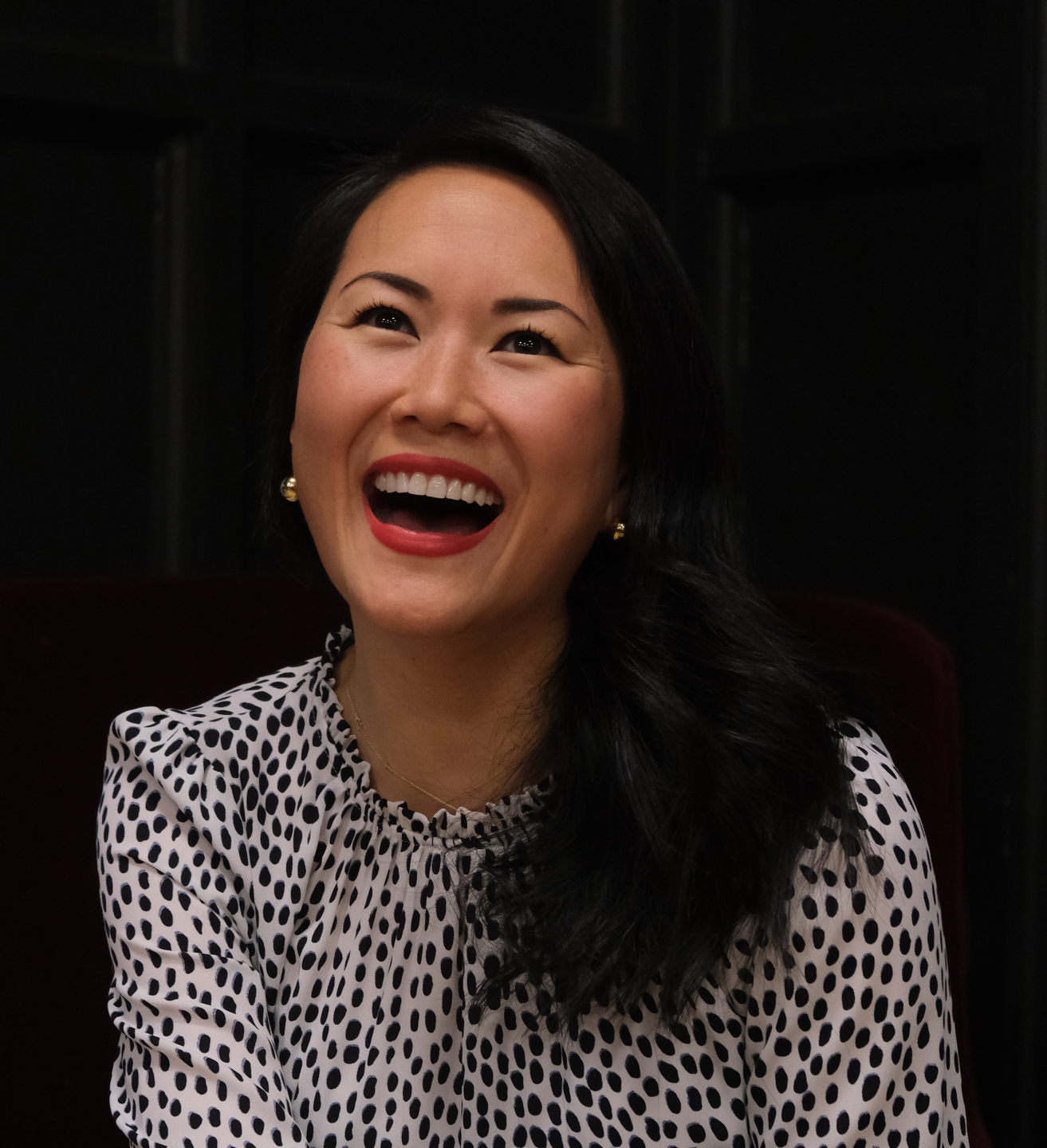
Tracy Stuckrath [00:00:00]:Foreign. And welcome to another episode of Eating at a Meeting. There's my sign over there. I am trying out a new platform here called eCamm. And so that's my first note for you. But I'm so excited to be here the very first day of imax. It's Smart Monday and I'm here to talk to a very smart woman right here. I actually didn't even ask you how to say your last name.Yush Sztalkoper [00:00:27]:Alkoper.Tracy Stuckrath [00:00:28]:Yeesh. Salkoper. And we're going to talk about how to create space to opt out. Why true belonging goes beyond what's on the plate. Welcome to the show.Yush Sztalkoper [00:00:38]:Thank you.Tracy Stuckrath [00:00:39]:So please tell us what you do and where you work.Yush Sztalkoper [00:00:44]:What I do. So I actually have 20 of 20 years of corporate events background. About a year and a half ago, I left due to being burnt, completely burnt out. I know a lot of people can relate to that and really, you know, this journey started with parenting my neurodivergent son. About four and a half years ago. I started to notice challenges and struggles that I didn't have the answers for. And so it just took me down this completely different path. And so now I'm in the neuro inclusion space and obviously having spent so much time of most of my life and career in the events industry, it made sense that I brought this new lens of understanding humans through a neurodivergent lens to our industry.Yush Sztalkoper [00:01:31]:And so I'm really excited about being here with Tracy today because I actually talk about neurodiversity in a lot of different contexts, I think in context that a lot of people assume we talk about. But, you know, food is a huge part of it and it's a huge part of for me, not just logistics and feeding people and connection, it's actually all about regulation. And so, so much of what I've learned through the neurodivergent lens is actually how important our nervous system is to how we end up being able to show up as human beings and being able to connect, to learn to be able to be ourselves. So, yes, I am really excited to be in this really tight little cubicle. We are literally like all over each other, but it's amazing and excited for what we're going to talk about today.Tracy Stuckrath [00:02:22]:Yeah, so a couple years ago I interviewed a woman who posted on, on LinkedIn about being neurodivergent. She's an attorney and she. It was about drinking, but it has so much more to do. And she mentioned too, like the food and beverage aspect of it because you think you want things in place in specific places or some, depending on what diversion neurotype is. Thank you. Food might impact you a different way. Can you talk about that?Yush Sztalkoper [00:02:50]:Absolutely. I think the way that we historically, as an industry, has thought about food is at the event. How are we feeding our attendees? How are we nourishing them? How are we creating experiences to connect them? Right. Like networking oftentimes is around meals. To me, the way that we need to think about food and neurodiversity and events is how do we understand these people as individuals and what are their biological and physiological needs that start before they even ever show up? And so when you start to think about design from that perspective, you start to understand that, okay, different individuals have different needs. So we can't create one menu for everybody.Tracy Stuckrath [00:03:33]:Right.Yush Sztalkoper [00:03:33]:I get it. Scaling is one of the hardest things that we all encounter. We have so many great awareness and solutions, but then we think about it and we're like, well, I still have to feed 10,000 people. How do I do that without having to personalize menus for everybody? And so the way I think about it is, and what I've discovered in the past, like, year and a half and maybe even longer, four and a half years, because once I realized my son was neurodivergent, I was diagnosed with ADHD about a year and a half ago. So I've been able to really make sense and connect the dots to my experience as a planner and also as an individual. And so now I realize what we need to think about is, well, how does that person. How do they feel comfortable being in this meal space? Is it. Do they feel like they belong because they have options, Right.Yush Sztalkoper [00:04:21]:Maybe they have special dietary needs. Right? And this goes above and beyond. Just like, oh, I have an allergy, or I have a sensitivity. This is what. What does my body need? How do I find comfort in the things that are familiar to me when I'm wired in a way where everything feels unsafe or everything is already harder for me to navigate? Another thing I think about that is related to food is even like some people who may not have the social skills, who are neurodivergent, they show up and then they have to find somewhere to sit, and they have to figure out if they didn't come with anybody. Right? So when you think about the energy levels and the efforts that a neurodivergent individual has to go through just to have a meal, there's a lot of things that can drain the energy and then make it feel really unsafe even to be in that space, much less eat the type of food that potentially can't eat.Tracy Stuckrath [00:05:12]:Right.Yush Sztalkoper [00:05:13]:And so when you start to think about that, there are all these layers of complexity that I think reveals for us a blueprint for how we should think about food very differently. Right. Above and beyond logistics and an opportunity for people to connect well.Tracy Stuckrath [00:05:29]:And picking. I want the Mexican meal today and I want the deli platter tomorrow. Right. And just putting that food out. It's so much more than that, like you said. So are there tips and tricks that you have to. I mean, that you've seen in ordering food for a large contingency of people to meet these needs, to help these. To help individuals across the board.Yush Sztalkoper [00:05:51]:So one of the things I discovered is that when you design from the edges, you create an experience that benefits everyone.Tracy Stuckrath [00:06:00]:I love that from the edges because if. And because mine is like, if you. If you design for the minority, you can feed the majority.Yush Sztalkoper [00:06:07]:Yes. Yeah. It's the same concept. But what I find is that neurodivergent wiring and needs and struggles and challenge, whatever you want to call them, they're signals. It's almost like the canary in the coal mine. They are signaling to us that these things don't work. And it is obviously at a much more intense level for neurodivergent individuals than for neurotypical. Right.Yush Sztalkoper [00:06:30]:There might be an individual who's neurotypical, doesn't have any of these issues. That's great. I'm glad they can navigate this experience more regulated and not drained. But if we design something for the neurodivergent individual who will be drained by this and will struggle, then we are helping them create a completely different experience. And then when you think about it, that neurotypical person, they're going to gain back energy that they actually didn't even think they needed to use.Tracy Stuckrath [00:07:01]:Oh, I love that. Yeah, right.Yush Sztalkoper [00:07:02]:They're like, oh, my gosh, this is great. I love having options. I could have done without options. But the fact that there were. Oh, wow. And there are whole foods being served. Like, you know, there's whole foods and there's like vegetables and. Oh, and I can see what the labels are.Yush Sztalkoper [00:07:16]:So it's very clear to me. I don't have to second guess. Oh, actually, I know this is really good for me, like protein heavy. I'm huge on protein. Ask David Stevens about this. But protein is such a nervous system regulator. And I get it. From events perspective, we sometimes are at the mercy of a budget and logistics and what's easy to Serve on a mass scale.Yush Sztalkoper [00:07:41]:But when you think about how we. I really think food is our ability to prime our attendees to have the best experience at our events.Tracy Stuckrath [00:07:52]:Right.Yush Sztalkoper [00:07:52]:So that they can learn, so that they can connect and so that they have the energy to sustain however long the conference is.Tracy Stuckrath [00:08:00]:Right.Yush Sztalkoper [00:08:00]:So they can keep showing up. Right. And being able to be their full selves and have the capacity to do all these things that they're meant to do when they're on site. And so when you start to think about food as a priming agent, it completely shifts, like how we see it as a means to an end or, you know, just another networking opportunity. So that's why I think if you design from the edges.Tracy Stuckrath [00:08:24]:Right.Yush Sztalkoper [00:08:25]:You benefit everyone. Because I don't know anybody who's going to complain that they had too many choices or that the food was labeled clearly or that there was whole foods being offered. Right. So does that point make sense?Tracy Stuckrath [00:08:36]:It does. Well, it also reminds me of eating healthier is eating around the edge of the grocery store too.Yush Sztalkoper [00:08:42]:Yeah.Tracy Stuckrath [00:08:42]:Because that's where all the fresh food is.Yush Sztalkoper [00:08:44]:Yes.Tracy Stuckrath [00:08:44]:Instead of going into the middle with.Yush Sztalkoper [00:08:46]:All the prepackaged processed foods.Tracy Stuckrath [00:08:48]:All the processed foods. So there's a couple of words that you've used in there. Regulation. And what was the other one? The nervous system intervention. So regulation, to me, in my context of food allergies and things, is laws. But you're also talking. I think we could apply that to the word law as the laws of our body. So can you talk about that, what regulation means in that sense?Yush Sztalkoper [00:09:11]:Yes, absolutely. It's so funny because I talk about regulation purely in the nervous system state that I didn't even think about your regulation. But I think you're right. And I think it's important to explain and give people language for understanding these sort of relatively new terms, because then we can make sense of it and then we start to understand why it's important. So our nervous system is responsible for how we. Our energy, how safe we feel. Nervous system is really our ability to be able to show up as ourselves. And so our nervous system essentially has two states, safety or threat.Yush Sztalkoper [00:09:50]:This is a survival system that our ancestors have had in order to stay alive so that they didn't get eaten or so they didn't get killed. And that nervous system is grounded in how do we survive. We do things that make us feel safe, make us feel comforted. Right. That are familiar. And what is unsafe are things that make us feel. Feel uncomfortable, stressed out, anxious. Right.Yush Sztalkoper [00:10:15]:And so when you Think about nervous system. Everything we do above and beyond just food helps. We need to help regulate it in order to be able to do the things that we need to show up authentically.Tracy Stuckrath [00:10:25]:Right.Yush Sztalkoper [00:10:26]:And so from a food perspective, regulating that is just one aspect of it. And it. Because there are foods are not all created equal, and we do need certain foods to help us regulate our nervous system. So when you think about it, to me, it's like one strategy in a multitude of strategies that we need to regulate our nervous system. So when you eat foods that make you feel safe and you don't have to go out there and, like, find the right foods, make sure there aren't ingredients that are harmful for you, and then making sure that you're not in an environment that makes you feel unsafe or feel like you can't be yourself.Tracy Stuckrath [00:11:03]:Right.Yush Sztalkoper [00:11:03]:That's all dysregulating. And so that's why when you design food and you design that eating experience and you design choices and options, you are creating safety.Tracy Stuckrath [00:11:15]:Well, and I love that because a couple of months ago, during Food Allergy Awareness Month, I interviewed Amanda Whitehouse, who's a psychologist, and she was talking about the exact same thing. And so we have to design so that we're feeling. We're helping our attendees feel safe no matter what and whether. And you've mentioned a couple of things that, to me, go into the same context of food allergies and other dietary restrictions. Labeling. Right. And providing options. Because I posted something, it says, hey, don't make sure.Tracy Stuckrath [00:11:48]:Oh, it was posting about in my newsletter. I sent a newsletter out. And make sure the vegetarian option is not the guacamole or the condiments. Right. But providing options, because those are just ways to make people feel included in that meal function.Yush Sztalkoper [00:12:03]:Yeah.Tracy Stuckrath [00:12:03]:So many different ways.Yush Sztalkoper [00:12:05]:You know, we talk about people feeling seen as a safety thing and offering the food choices and the things that everybody might need is making them feel seen. Wow, you're accommodating my needs without me asking for it. Right, exactly. And another thing that you mentioned that I kind of want to touch on is right now, food restrictions, dietary requirements, or allergies are all around a very imminent threat.Tracy Stuckrath [00:12:34]:Right.Yush Sztalkoper [00:12:35]:Like, hey, if you eat that thing, you might die, or you eat that thing, you're gonna break out in hives.Tracy Stuckrath [00:12:40]:Right.Yush Sztalkoper [00:12:41]:And what the difference between what we're solving for and thinking through a neurodivergent lens is, this is not eminent. You don't see it on the surface.Tracy Stuckrath [00:12:49]:Right.Yush Sztalkoper [00:12:50]:But underneath, it's doing a lot of damage. Right. So because we can't see what we can't see, we can't name it. And because we don't name it, we think it's not something that we need to address.Tracy Stuckrath [00:13:03]:Yeah.Yush Sztalkoper [00:13:04]:It's not a problem.Tracy Stuckrath [00:13:05]:Right.Yush Sztalkoper [00:13:05]:And so this is essentially the, like, the core of my work is that I really, truly feel neurodivergent. Brains and wiring and needs and all of these things. It's a signal for people to start paying attention to things that we might have not realized, really mattered before. But over time it is so important because we're talking about human thriving and human connections and all these things that we're trying to achieve that is built on feeling safe.Tracy Stuckrath [00:13:40]:Right. Having food choices based on your lived experience, your personal experience with your son and you. How have you seen food in thinking through this and providing these options, you know, a difference in him and a difference in you or and in your attendees.Yush Sztalkoper [00:13:58]:I mean, it's changed our lives. Yeah, I. So I basically, I biohack now because. So biohacking essentially means that you test various things to see if they work for your body or not. And so you're essentially personalizing nutrition, diet, exercise, well being. I mean, it's not just food and exercise. Also mental health, so many things too.Tracy Stuckrath [00:14:22]:Right, Right.Yush Sztalkoper [00:14:23]:It's essentially understanding what you need as an individual and then creating solutions around your unique needs. And so complete opposite of one size fits all, everybody, even. I'm not trying to knock on people who give really good, healthy advice on all these foods are healthy for you. Even healthy foods can be harmful for somebody who's biologically and physiologically not wired to be able to receive that in a healthy way. So my son and I both have histamine issues.Tracy Stuckrath [00:14:56]:Okay.Yush Sztalkoper [00:14:56]:We just thought we had a lot of allergies and come to find out when we've done genetic testing. So I actually have insights and data that we use to kind of customize and we work with professionals, by the way. I'm not doing this on my own. We work with naturopaths who take a more holistic and integrative approach and they help guide us on thinking about what do we need? What do we need to test what are our deficiencies? There are 2D words that I love that has sort of guided our biohacking experience and it's deficiencies and detoxing. Okay. The reality is our world today is full, full of toxins.Tracy Stuckrath [00:15:32]:Yes.Yush Sztalkoper [00:15:33]:We are getting them from every which direction. Not just what we eat. Not just what we eat. We're sitting in A box full of toxins right now, right?Tracy Stuckrath [00:15:40]:Yeah, exactly.Yush Sztalkoper [00:15:42]:But. So that's why detoxing is important. There are some things that we can't control. What we can control is what we try to eliminate from our bodies. Right. You can accumulate these things, but there are ways to get rid of it. How do you optimize your body then to get rid of those things? You eat healthy and you eat foods that are naturally detoxing. You ensure that you don't have deficiencies that prevent certain pathways from taking place in your body that helps you optimize your health.Yush Sztalkoper [00:16:11]:You're detoxing and breaking down nutrients because supplements are great, but they're one size fits all, typically. And you take these supplements and you're like, well, why isn't it working? Well, because you took something that was created for everybody, and your body is not for. For just everybody.Tracy Stuckrath [00:16:26]:That makes sense.Yush Sztalkoper [00:16:27]:And so what I've seen in my son especially, and more. More so in him because it was so extreme.Tracy Stuckrath [00:16:33]:Right.Yush Sztalkoper [00:16:34]:Was incredible. Behavioral shifts.Tracy Stuckrath [00:16:37]:Oh, wow.Yush Sztalkoper [00:16:38]:Just. And what we realized is all these toxins that he couldn't get rid of in his body. And he does detoxes now with me, obviously monitored with the naturopath.Tracy Stuckrath [00:16:48]:Right.Yush Sztalkoper [00:16:48]:And he. The toxins that were in his system were neurotoxic. Wow. They were literally affecting his brain.Tracy Stuckrath [00:16:57]:Interesting.Yush Sztalkoper [00:16:58]:And so when you think about behavior, when you think about all these things that. Not that you're. That neurologically is responsible and nervous system wise is responsible for how you then react and respond and how you act, all of those things shifted because we started addressing things at the root.Tracy Stuckrath [00:17:16]:Right.Yush Sztalkoper [00:17:16]:And it is just. It was. I started with Henry because there was an urgency in supporting his needs. And then I saw how effective it was and I started working on myself. And so he and I are on. Because genetically we're quite similar. He and I are on very similar supplements and nutrients and lifestyles and diets and detoxes. My younger son is more like my husband.Yush Sztalkoper [00:17:42]:So he doesn't actually even eat the same things as usual.Tracy Stuckrath [00:17:46]:How do you manage the. Making dinner, then?Yush Sztalkoper [00:17:48]:I spend a lot of my. This is why I had to quit my job, guys. I spent a lot of time actually focusing on food. The amount of time that I focus on food. And I'm so glad that you invited me to this, because it's actually, I want to say it's like 50% of my time I spend on food, nutrition, lifestyle, exercise, like all these things that are core to what we need as human beings to thrive. Right. Because the reality is we live in a world now where there's so many external stressors and toxins and things that are making it hard for us as humans just to exist.Tracy Stuckrath [00:18:23]:Right.Yush Sztalkoper [00:18:24]:We have to do. The burden of the work is on us. We have to do so much more to be able to stay healthy these days. And so, yeah, I spend a lot of time cooking. I spend a lot of time grocery shopping on the edges of grocery stores. I actually go to multiple grocery stores to source what I need. You know, we're just so intentional about what we eat, how we eat it too.Tracy Stuckrath [00:18:44]:Right.Yush Sztalkoper [00:18:45]:Just like when we eat certain foods, like in the mornings, my son starts with protein. We do not do carbs, we do not do sugar. We eliminate some very obvious things, added sugars, preserved, you know, in any processed foods, ultra processed, forget about it. We don't touch any of that. And we, we don't do seed oils, we, I mean, it's, it's like when you start to add up the things that you shouldn't consume or shouldn't do you realize that it's better to focus on the things that you can, you can eat whole foods, you eat, organic, you eat vegetables, you eat, you know, foods that you make. And so I know a lot of people don't have time for this. And this is the, I think the hardest part around humans these days. Most people don't have the time nor the resources, nor the capacity to be able to do what I do.Yush Sztalkoper [00:19:35]:And this is why I'm like, my purpose is to translate this and turn this into ways that maybe other people can benefit from what I've learned.Tracy Stuckrath [00:19:43]:Well, and two, it's like taking one or two steps of those things and trying them out and doing them first and then moving forward and then as you do, then they get incorporated overall in an overall well being, daily process. Right. And, and part of your overall being. Now, have you seen an environment or an event that has done this really well?Yush Sztalkoper [00:20:07]:I just want to add one thing to what you just said earlier, because you're 100% right. I have ADHD, which means I'm very intense. Everything I do is like 110%. So even with supporting my son and myself, I dove in head first and was like in the deep as a mom does. Yes, Right. And because I was like, there's a sense of urgency. But it's also the reason why I've been able to do all of this and see such fast progress is because of the way I'm wired. So I have a lot of Strengths that enable me to do this.Yush Sztalkoper [00:20:39]:And I want people to recognize that. I love what you. The point you made because you can make a tiny change now, and those little micro changes. I call everything micro because I realized not everybody can do everything the way that I've done it, at the speed. Speed that I've done it, at the intensity that I've done it. But these micro things, resets, micro shifts, micro changes, micro habits, whatever you want to call them, they all matter. And exactly what you said. When you do them over and over again, you start to build healthier habits.Yush Sztalkoper [00:21:09]:You start to actually rewire not just your brain, but your body and your condition. You're creating the conditions for you to be able to add on and do more.Tracy Stuckrath [00:21:19]:Right.Yush Sztalkoper [00:21:19]:Just like we create negative habits patterns, the same works, but it takes more intentionality and effort to be able to do that.Tracy Stuckrath [00:21:29]:Right. Yeah.Yush Sztalkoper [00:21:30]:So I was. IMAX is obviously huge. I think they did a great job last year. I remember going to the snack section where they have all the snacks set up, and there were healthy options. There were, like, vegetables, right. There were whole foods, things that weren't fried or cooked or packaged or covered with sugar.Tracy Stuckrath [00:21:50]:Right.Yush Sztalkoper [00:21:51]:And it's. It like, literally makes me so happy to see that. Another event that really stood out to me is the SKIFT meeting forum.Tracy Stuckrath [00:21:58]:Yep.Yush Sztalkoper [00:21:58]:Last year at the Glass House, every single food item that they served was healthy. I mean, I saw things that you don't normally see. Right? There's, like, green juices and chia seed pudding. I mean, all the things that I love.Tracy Stuckrath [00:22:12]:Right.Yush Sztalkoper [00:22:12]:Whole. There was a lot of protein, and the foods weren't just covered in sauces.Tracy Stuckrath [00:22:17]:Right.Yush Sztalkoper [00:22:17]:And so when you start to think about, you know, choice and there were lots of choices and everything was clearly labeled. I felt really great being able to eat something that wasn't just nourishing, but it felt like I had the options. So a lot of what I talked about earlier was, like, clear labeling, right? If there are food options, there were things that I could eat. And, you know, a lot of us go on site and we're like, oh, I'm just on site at an event. I'm just gonna have a cheat meal. No big deal. This is just one. But we are asking individuals to come to an event and show up with energy and attention and focus and all these things.Yush Sztalkoper [00:22:54]:It is critical that they're being fed these foods that enable them to have the energy to have the focus. Right? To be able to do these very hard things that we're trying to cram in and all of it. So I actually think events even more so because if you're at home and you're regulated and your routine is pretty standard and you're feeling safe in your environment, that actually might be when you should have a cheat meal.Tracy Stuckrath [00:23:19]:Right.Yush Sztalkoper [00:23:19]:Because it's all about balance. Right?Tracy Stuckrath [00:23:21]:Right.Yush Sztalkoper [00:23:21]:I love french fries, by the way.Tracy Stuckrath [00:23:23]:Yeah, so good.Yush Sztalkoper [00:23:25]:Just my weakness. I don't eat it all the time, but I'll let myself have it. But when I do, I'm very intentional about making sure I work out afterwards or that I've eaten healthy throughout the day so that it's not a shock to my system that I'm like, oh my gosh, I'm just adding on another layer. Right. And so there's just a lot of intentionality around eating. And so I think it's very important for organizers to think about planning not just the menu, but the experience and the options and all of it. But it's also the individuals. I mean, I'm curious if this is something that we could think about as an event industry.Yush Sztalkoper [00:24:03]:How do we educate people more on not just like this overarching education around nutrition and well being, but hey, helping them understand. This menu that I curated for you, here's, here are all the things that I'm addressing. The protein helps you regulate your nervous system. The vegetables you get, your vitamins that give you the energy that you need, whatever. Like, to me, so much of what I do is backed by science because. Because I realize that's how I make sense of things and it helps validate that. You know what, these are real things that we need to understand and address. And I think most people, most of us think that way.Yush Sztalkoper [00:24:41]:We don't have a lot of capacity to sit here and go convince me. It's like, oh, science. Well, that's pure fact and data. So how do we believe that and then be able to help people make informed decisions around what they eat?Tracy Stuckrath [00:24:55]:Well, and I think it comes down to cause typically as a planner, right, you go to a hotel or a convention center and here's the menu. Right? Right. And like check off the box of what you want. Here are the options that we have. And you really, there's no information necessarily from. I'm sure there are venues that do this that like, hey, we've designed there, we've curated these menus to help your attendees be engaged or that's a secret menu that you would just have to talk to the chef about. Right. And it would be really great if our partners in this had Already done that.Tracy Stuckrath [00:25:26]:Right. And I know MGM offers that in their. I forgot I'm going on a tour tomorrow and I'll know the name of it, but on the specific section of their hotel. Right. The sleeping rooms, the food and beverage that they serve, but then you also have the other menus that they have. So it's really figuring those out. And I wish our industry as a whole, because food and beverage is probably our number one expense. Meeting planner is the number one expense.Tracy Stuckrath [00:25:54]:We need to use this as a tool versus a Just throw it at us.Yush Sztalkoper [00:25:59]:Well, I think when you start to understand how core it is to human regulation and thriving, it starts to show how important it is to prioritize.Tracy Stuckrath [00:26:11]:Right.Yush Sztalkoper [00:26:11]:And I think historically we haven't understood it on a deeper level of the importance. And my work is all grounded in sort of a holistic approach because as human beings, we are complex. We, at the root level, we have so many needs. Biological, emotional, neurological. Right. Physiological. So how can we just address one or two of those things and think that we are. It's okay for enough for humans to show up and be their full selves? We talk about authenticity a lot, and all of these things actually contribute to that.Yush Sztalkoper [00:26:46]:How can we eat the foods that actually are a part of our identity?Tracy Stuckrath [00:26:51]:Right.Yush Sztalkoper [00:26:51]:And so that we don't have to feel like we're giving up another piece of ourselves that's not really who we are.Tracy Stuckrath [00:26:57]:Right.Yush Sztalkoper [00:26:58]:And absolutely. I think there are incredible partners and people in this space who are already doing great work. And thank you for obviously spotlighting such an important topic, but we could definitely do more. I'm not seeing this as a mainstream. I feel like this is sort of an ancillary conversation. Right. That, hey, some people who get it are doing it. But how do we create almost like a model or prototype for understanding what does neuro inclusion look like, feel like across everything that we design for events? And that's why now I coach and I consult and I help think about strategically, like, what we need to consider that we historically haven't.Tracy Stuckrath [00:27:41]:Right.Yush Sztalkoper [00:27:42]:And that to me, is where the key lies. How do we take. How do we zoom out so that we can understand the bigger picture and this holistic need of humans. But then how do we do that? By actually zooming in to understanding what it is that individuals need.Tracy Stuckrath [00:27:59]:Right.Yush Sztalkoper [00:28:00]:And then being able to kind of connect those dots and design. And that's why I think through the neurodivergent lens is the key. It's almost like the blueprint, because these individuals have the most Extreme and intense needs. And they are essentially telling us, here's how you need to design.Tracy Stuckrath [00:28:20]:Right.Yush Sztalkoper [00:28:20]:For everything.Tracy Stuckrath [00:28:20]:Yeah.Yush Sztalkoper [00:28:21]:And if we follow that blueprint, we create experiences that benefit everybody.Tracy Stuckrath [00:28:28]:That's amazing. And when we do that, the and we're heritan event with 17,000 people. Right. And no matter what the size of it, even if it's a 20 person board meeting.Yush Sztalkoper [00:28:39]:Right.Tracy Stuckrath [00:28:39]:How can you help those people participate in that board even more? Right. And thinking through those details, one of my friends years ago does lunch and learns for clients. And he, after talking to me, he sent different menus, he sent the vegan menu and the gluten free menu and the regular menu to everybody to pick their meal. And one of the gentlemen was a new client and he said thank you so much because I usually just eat the lettuce that's underneath the tomatoes, the leftover after the sandwiches. Right. And that to me that's a neurodivergent, not only just a need as a being a vegan or a vegetarian, but that's a neurodivergent need of wanting to participate. Yeah. And David, just taking that one step of sending three different menus helped that person participate full fully in that event.Tracy Stuckrath [00:29:29]:And he became a. Or not in that lunch and learn and he became a good client. So.Yush Sztalkoper [00:29:34]:Well, and what, you know, you touched on is he felt seen.Tracy Stuckrath [00:29:38]:Right.Yush Sztalkoper [00:29:39]:He was like, somebody cares enough about addressing my needs by giving me options.Tracy Stuckrath [00:29:44]:Right. And before.Yush Sztalkoper [00:29:46]:And if you. One of the things I'm hearing for what you just said is that individual never felt safe to ask for something. And that's the very culture we need to change. I think one of the things you and I talked about before when we were deciding, you know, what to focus on this topic, is that some people don't even feel safe asking for something because they haven't created the space to tell them that, hey, if you have a special dietary need that isn't covered by vegan, vegetarian or, you know, kosher, whatever, Right. It's still okay to ask for it. And I think we also talked about how we change the language instead of say, what are your dietary restrictions? I'm very intentional about words and language because restrictions has a negative connotation. It does. And it puts the onus on the individual to raise their hands and say, I'm sorry, but I have a special need and I don't feel comfortable sharing it.Yush Sztalkoper [00:30:42]:But then if I don't, I don't get to eat what I need to eat and then I don't have the End. I mean, can you imagine eating a lettuce on a busy day when you're meeting and you're supposed to show up with your thinking caps on and be able to learn and absorb and have the energy to sustain yourself? And I'm just like, oh, my gosh, Poor guy. So this is, to me, a fundamental shift that has to happen in this industry, which is we need to create psychological safety, period. But even just around food choices, the fact that somebody can say, I feel safe enough to ask for something that is not typically offered because I matter.Tracy Stuckrath [00:31:21]:Right.Yush Sztalkoper [00:31:21]:As an individual.Tracy Stuckrath [00:31:22]:Well, so there's two things that come to mind on that was. So Tahira, who's in charge of programming for this, and her book that came out, not the most recent one, but the one before. But Intentional Design is really not only designing the event overall intentionally, but also looking at the food being very intentional with what we're doing. And when you. When you do that, you don't have to accommodate because you've already designed it for everybody to be there and thinking about them. And I lost my other thought.Yush Sztalkoper [00:31:52]:Well, I can. I can finish your thought on the. Accommodations is another word. I don't.Tracy Stuckrath [00:31:57]:I know. I don't like it.Yush Sztalkoper [00:31:58]:My son has an IEP at school, and he. There are two options. You could get a 504, which is all about accommodations, and then an IEP, which is more sort of services and support. And the reason why I don't like accommodations is even with accommodations, the expectation is still on him. Right. To know what he needs.Tracy Stuckrath [00:32:17]:Right.Yush Sztalkoper [00:32:17]:And to. And to just help him in a few areas. That doesn't really address his whole person. And so accommodations, to me, in the workspace, in the professional space within an event, all these things puts the onus on the individual to. To say, I need to be treated differently.Tracy Stuckrath [00:32:38]:Yes.Yush Sztalkoper [00:32:39]:I have a special need. I have this extra dietary requirement. All these things. And that's. That.Tracy Stuckrath [00:32:48]:Yeah.Yush Sztalkoper [00:32:48]:Doesn't create belonging. That actually does the complete opposite. Right. So you're making somebody feel like they are different again, but in a way that could be harmful. And so I agree with Tahira. When you design intentionally and when you design from the edges, what you create is this. These things that really support the individuals who need it the most. And then, like I said, benefits everybody else.Tracy Stuckrath [00:33:12]:Right. Because you're never gonna. I'm gonna use a food allergy thing, but you're never gonna know that there were peanuts eliminated from the menu. Right. You're never gonna know that pineapple was completely eliminated from the menu because you're allergic to it. Right. And it's not going to impact your experience because that was eliminated from the menu because of someone else's need.Yush Sztalkoper [00:33:33]:Right. And it's just not there. And instead you're like, oh, wow, I got this really healthy, you know, healthy whole food options. And yeah, it's not deep fried and coated in sugar and all the sauces.Tracy Stuckrath [00:33:44]:Exactly. Well, and the other, I just remember the other one was. So there was a conversation on a Facebook group two weeks ago about accommodation, making dietary restrictions available, but even just physical disabilities, how do we plan for them? And I wrote this wording in there and because wording does matter and it says, how can we help you fully participate in this event? Please check below what we need to. How we can help you fully participate. Right. And it was visually impaired, hearing impaired, dietary needs, whatever it is. And then we do need to follow up with those people.Yush Sztalkoper [00:34:22]:Yeah.Tracy Stuckrath [00:34:23]:And walking here today, this completely off the mark here. I was walking down the sidewalk and coming up right in front of the hotel is this big orange barrier across the sidewalk and to the left was the street, which is Las Vegas Boulevard, and to the right was gravel or big rocks. And I'm like, how is somebody supposed to get past that if they have, you know, utilize a wheelchair or can't walk? I don't want to step in Las Vegas, but boulevard. Right. But that's the same kind of barrier that we put up when we don't label and when we don't plan intentionally design our events.Yush Sztalkoper [00:35:00]:So there's an example that we hear often, it's called universal design.Tracy Stuckrath [00:35:05]:Yes.Yush Sztalkoper [00:35:05]:And universal design, the example that most often comes up is that when wheelchair ramps were created, were. Were built, it benefited not just people who are in wheelchairs, but moms with strollers, you know, or people who had shopping carts or anything with wheels that was easier to take up a ramp. And so that's why universal design is so important, because when you design for the people who need it the most to ensure that they have a similar experience and accessibility, you end up benefiting all these people that you may not have even realized needed to benefit. And so that's why designing from the edges, like some of these individuals might not have dietary requirements and might not realize that they need to eat more protein, but when they do, they feel better. And then they are also going to benefit from the nutrition and the whole foods and all of it that's going to enable them to even learn and engage and be able to have the energy too. And so what's the downside to that? Right, so we kind of level set for the people who need it the most and then we actually amplify and accelerate, I don't know, amplify, like kind of the things that we're already, people were already doing fine with, but then we just make it better. And so there's really no downside to thinking about universal design. And designing.Yush Sztalkoper [00:36:28]:Universal design is great, but I do feel like the neurodivergent lens needs to precede the universal design because it gives us the blueprint. It's like, hey, how do we design for the extreme needs? And then we view it and do it through, execute it through a universal lens and then the benefit is for everybody.Tracy Stuckrath [00:36:47]:That's awesome. Okay, I have a couple of rapid fire questions that I'm going to ask you. Where did my little list go Here? Okay. Coffee, tea or water?Yush Sztalkoper [00:36:57]:I don't drink coffee. Tea has a nutrient called L theanine in it, especially if it's green tea. And that is actually calming. And so for me, I'm always going to pick tea. Water is absolutely necessary for hydration. Sorry, you're never going to get any rapid answers out of me. Water is absolutely necessary for hydration, but it needs to be fortified with minerals. And so we are just drinking all this water and water is not created equal.Yush Sztalkoper [00:37:24]:And so tap water can have harmful.Tracy Stuckrath [00:37:26]:Right.Yush Sztalkoper [00:37:27]:Stuff in it, toxins. And so I think if it's the right form of water, it can be nourishing, hydrating, all these things. And I think green tea would be amazing. It has L theanine in it that really helps everybody. And coffee can help with cortisol levels in the morning especially. And so people who are drinking like 10 cups of coffee maybe. So it's all about timing. But I think I can't say one answer because I think universally and I think holistically and I think about everybody.Yush Sztalkoper [00:37:57]:And so like, somebody could benefit from coffee, but me specifically, I always pick water.Tracy Stuckrath [00:38:02]:Okay. Yeah. All right, awesome. What's your go to comfort food when you need peace?Yush Sztalkoper [00:38:07]:Comfort food? Oh, I'm, I'm Chinese. It's always noodle soup. Noodle soup just brings me home. It's familiar, right? Oftentimes not ramen noodles or it could be any, any noodle soup. It could be ramen, whatever. But it's, it's the comfort factor and it goes back to our nervous system, what makes us feel safe.Tracy Stuckrath [00:38:27]:Right.Yush Sztalkoper [00:38:28]:And oftentimes, if you start to think now about what foods bring you comfort, there's probably some sort of safety associated with it.Tracy Stuckrath [00:38:35]:Right. Awesome. What's one small action that a planner could take tomorrow to help guests feel they belong?Yush Sztalkoper [00:38:43]:You know, I think empathy applies in so many different ways. Not just to have somebody else's feeling, but also what somebody else's needs are. So. So I think as a planner, one of the biggest skills and tools that we can have is using our empathy to understand if I'm designing something for someone else, what may they need that I haven't considered? Because oftentimes, because of so many external factors, we tend to design through a tunnel vision because we're like, okay, I need to meet the budget timeline, you know, venue, blah, blah, all these restrictions. We almost start reacting from there. And I think to be truly proactive, we have to take a zoomed out lens and think, how do I design for individuals who have a variety of needs?Tracy Stuckrath [00:39:28]:Right.Yush Sztalkoper [00:39:28]:And that, to me, is only possible through an empathy lens. Right. Like truly understanding and also through a human lens. Yeah. What does another human being need and how can I create that for them?Tracy Stuckrath [00:39:40]:I love that. Thank you. All right, final question. Finish the sentence. Every meal should.Yush Sztalkoper [00:39:46]:Every meal should have protein. It really is. I start every meal with protein because a lot of the crashes that contribute to a lot of the foods that contribute to crashes is sugar and carbs. And sugar and carbs are not necessarily bad for you. We all know we need a lot of carbs for energy, right? So I'm not saying cut out carbs, but I'm saying eat it in a very strategic way. Eat your protein first, then your fat and then your carbs and whatever it is that you need. And so there you go.Tracy Stuckrath [00:40:18]:Thank you. All right, well, I am putting up your website on here, but is there any other way that they can get a hold of you?Yush Sztalkoper [00:40:25]:Everything is on my website. I would encourage you to check it out. There are all kinds of amazing information on there. And I will start finally writing a blog where I will dump everything that's in my brain onto something where people can access and be able to refer back to.Tracy Stuckrath [00:40:42]:Okay. And her website, for those listening and not watching is neurospark+pled out.com so neurospark plus.com well, Yosh, thank you so much.Yush Sztalkoper [00:40:55]:Thank you. This is such a great conversation.Tracy Stuckrath [00:40:58]:It was a great conversation. I really appreciate it. Everybody, thank you for joining in. If you're listening to this on the replay, please chime in, add comments and questions to it, and Yusha and I will get back to you, share it to people who need it. And until next time, which will be tomorrow, same time, same bat channel, please join us. I'm interviewing my friend Trevor Liu on how to go to why to go to Toronto as a food destination. So until then, stay safe and eat well. Thanks.Yush Sztalkoper [00:41:26]:Bye everyone.Tracy Stuckrath [00:41:27]:Bye.