334: Food Safety at a Crossroads: What Event Planners Need to Know
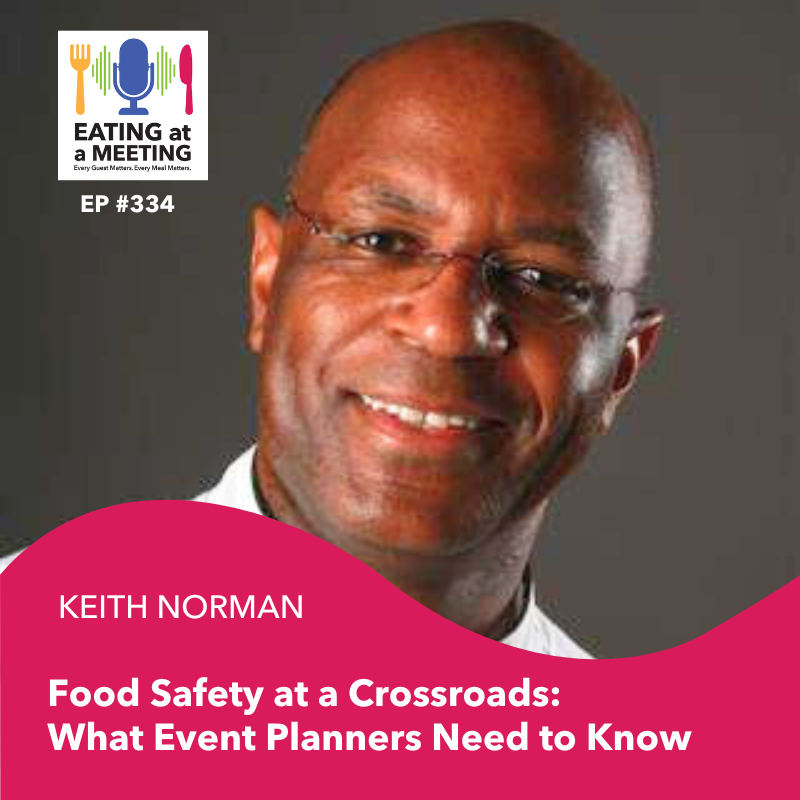
Ever wondered if your caterer’s food safety sign-off really keeps your guests safe? With public health agencies scaling back, the responsibility for outbreak prevention is shifting to kitchens—and to the event teams who hire them. This episode delivers actionable solutions to protect your attendees (and your reputation) when regulation alone isn’t enough. Tracy Stuckrath is joined by Chef Keith Norman—allergen awareness trainer and food safety manager at South Point Hotel Casino & Spa—to reveal what you should be asking your venue before your next event, how training and transparency beat rulebooks, and the real-world impacts of new allergen labeling laws.


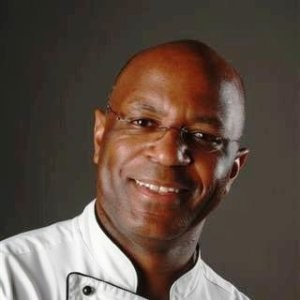
To kick off Food Safety Awareness Month, I’ll be joined by Chef Keith Norman—ServSafe Instructor, Allergen Awareness Trainer, and Food Safety Manager/Assistant Executive Chef at South Point Hotel, Casino & Spa—on Eating at a Meeting Podcast LIVE. Keith lives and breathes safe dining, from the back-of-house kitchen line to the banquet floor where thousands of guests are served every day.
And right now, food safety is in the headlines.
👉 The CDC has quietly scaled back its FoodNet program, slashing surveillance from 8 foodborne pathogens down to just 2—salmonella and E. coli. What does that mean for how outbreaks are detected and prevented?
👉 Reports suggest the FDA is considering outsourcing much of its routine food safety inspections to states. Could this compromise oversight—or is it an opportunity to rethink how inspections are done?
👉 California’s new allergen labeling law and updates to FDA Food Codes across the country are changing the way food handlers, restaurants, and yes—event venues—must approach menu planning and guest safety.
For those of us planning events where food is front and center, these aren’t just policy changes. They affect how confident we can be that the meals we serve are safe, compliant, and inclusive.
Chef Keith and I will break down what these developments mean for caterers, venues, and meeting professionals—and how you can protect your guests and your brand in a changing food safety landscape.
Because every meal matters. And so does every regulation behind it.
Like what you heard? Subscribe to our newsletter for more episodes and insider content delivered right to your inbox!
Tracy Stuckrath [00:00:00]:
Foreign. Hey, everybody, and welcome to another episode of Eating at a Meeting. I am in my home office and I'm excited to join you here and introduce you again to. It's going backwards to my friend, Keith, Chef Keith Norman. He is an allergen awareness trainer and he is the food safety manager and assistant executive chef at the South Pointe Hotel Casino and Spa in Las Vegas. Hello, my friend.
Chef Keith Norman [00:00:32]:
Good morning.
Tracy Stuckrath [00:00:33]:
I was thinking this morning before we got on here that I remember meeting you at Mandalay Bay during the. You came to meet me face to face at Mandalay Bay during the exhibitor show. And that was, oh, gosh, like 14 years ago.
Chef Keith Norman [00:00:49]:
Yeah. And yeah, I've held on to you for 14 years. Thank you.
Tracy Stuckrath [00:00:53]:
I appreciate it.
Chef Keith Norman [00:00:55]:
Yeah, that was a good. You know, you always get the opportunity to meet great people. And I'm, I'm honored to say that I met you 14 years ago and here we are today.
Tracy Stuckrath [00:01:03]:
I know, and I've been down to South Point. It's not on the Strip, but it is. Well, it's further down on the strip.
Chef Keith Norman [00:01:09]:
Right south of this. Yeah, south end of the Strip.
Tracy Stuckrath [00:01:12]:
Yeah, south end of the Strip. So I've been down there and I've eaten at your restaurant, so I'm excited. And I was there to celebrate your book launch. So.
Chef Keith Norman [00:01:19]:
Yeah, yeah.
Tracy Stuckrath [00:01:20]:
Yes. I'm somewhere over 2018. Yes. Exciting. Okay, so today, everybody, and if you're joining us live or you're joining us on the replay, thank you for joining us. Keith is one of my go to persons on allergen awareness training. He's pretty adamant about it. They've got really great training practices at South Pointe Hotel, Casino and Spa.
Tracy Stuckrath [00:01:45]:
And we're going to talk about food safety right now at a. Because I think it's kind of at a crossroads and what we as planners and event professionals need to know about food safety. And Keith, I want to. This is big picture, you know, talking about there. There's so many headlines right now around food safety. And with the cutbacks at the CDC and the fda, do you feel the US Food safety. This is really coming at it hard for you. But do you think the food, US food safety system is at a crossroads right now with what's going on, what you see nationally?
Chef Keith Norman [00:02:20]:
Yeah, I think in some ways. But the beauty of, of things is most manufacturers or folks that we purchase from, you know, have to be approved sources. So, you know, they are going to, you know, I'm sure that there's manufacturers who are, you know, under the gun who may, you know, cut corners here and there. And I don't mean that in a disrespectful way, but as the end user, we still have a part to play and, you know, still doing business with approved sources, I think is key. So you, you know, I wouldn't, I wouldn't necessarily go out and grab a new, say, for instance, if it's someone you, that you've always purchased beef or chicken from and now you go to someone new, you want to definitely vet, vet that person first. If it's local, that's an easy thing because most, most local business, you know, are affected by the health department. So that's an easy lookup. Know, so we, I think it's a time to be more diligent.
Tracy Stuckrath [00:03:19]:
Yep. And, and I do want to point, we can jump into this as well, but thinking through a lot of the things from international or state, national level, down to state and then down to county, but keeping with the CDC really quickly, I read the other day that they're now only going to monitor for salmonella and e. Coli through FoodNet. And instead of all eight different pathogens, you know, as a chef and as a food safety person, what does that mean for outbreak detection? I mean, and I'm going to say from what I've learned is that you, as somebody in a hotel, you have a little bit more knowledge about these recalls before we as consumers see them. Yes. But how is that going to, you know, impact food service?
Chef Keith Norman [00:04:10]:
Well, I think, first of all, you know, you can get on the FDA recall list. So there's a lot of different organizations so folks can be in the know, just sign up for the recall list. But I think, I think for chefs and, and restaurants, we have to be a little more diligent when it comes to FDA minimum standards, meaning that, you know, we, you gotta definitely make sure the chicken is cooked to 165. You know, so the practices in the kitchen, I think, just enhance. I mean, we do a lot of great things, which I'm sure other restaurants do, but now I think more. So we're the end user now. You know, we have to be more diligent in, you know, all of the FDA standards. And like I said, minimum, you know, everything that comes into a restaurant has some level of bacteria on it.
Chef Keith Norman [00:04:56]:
I trust the FDA standards. So if we're cooking, you know, regardless of what they do and what they're doing, these guidelines have been in place for years. Right. And they've always worked and they'll still work regardless of what the FDA or cdc, whatever they do, you know, the practices that we've had in place will still work. We as chefs, I think, just need to be more diligent in that, that in practice, making sure hands are washed, gloves are changed, thermometers are being used, and I think if we, if we stay there, we're going to be okay.
Tracy Stuckrath [00:05:29]:
Okay. And, you know, and then jumping to that different differentiation. I mean, the FDA layoffs, I, I mean, how is that they're not the ones coming into your kitchen to giving you a health inspection? Right there you've got your local health inspector doing that. So have you seen any impact in that respect? With all these headlines, is it impacting locally or just nationally?
Chef Keith Norman [00:05:57]:
I think more nationally. I mean, some of the purveyors we have here, you know, have an internal health inspector for lack of better. So again, like I said, the. Just because, you know, things changed, you know, up there, if we on this level just maintain. Like I said, things are just changing now. But the procedures have been in place for years and if, if the manufacturer, you know, and even manufacturers, they still have, even if they're not getting. Inspect it as frequently as they used to, they still have dedicated, you know, food safety, knowledgeable folks within the facility. So I think those folks will now, you know, just kind of raise the bar a little bit for themselves, you know, just to kind of maintain.
Tracy Stuckrath [00:06:45]:
And, you know, as a planner who's bringing my event to you, how do I, you know, I, I have to trust you, right, that you're doing that work and doing that, that due diligence with that. So how do we, what questions should we be asking you as a planner, if I was bringing an event to your hotel?
Chef Keith Norman [00:07:06]:
Well, I would ask to walk the kitchens. That's a telltale if kitchens are clean. You know, like, you know, we, we have a, our executive steward here is, is, is, you know, he's crazy. He, you know, things are, you know, but that's, that's a passion for them, you know, And I think, I think ask for a walk, right? Especially if it's a catering event, you know, your banquet kitchen, and then ask what, you know, what food safety training, you know, not just on the managerial level, but how do you train, you know, the team if in the states that require health cards, you know, there's a level of training there, you know, already. But yeah, I mean, I would, I would definitely inquire as to, you know, what kind of training have, have you gone. Most of us have done, you know, serve safe, which is required, you know, here. Most of us have done that. And you know, but I think the walk through and you know, to look into the refrigerators and kind of see that's just a telltale of how, you know, most places, you know, manage food safety.
Chef Keith Norman [00:08:10]:
But asking about, you know, training, I think is, is really key. What certifications do you have? How often do you train?
Tracy Stuckrath [00:08:18]:
Yeah, because one of the things that I've been saying recently is like, you can do your serv. Safe training. And I just renewed my manager one. But at the same time, that's eight hours in the classroom. That's not necessarily implementation. And you know, how do you. That's a good question for us meeting planners to ask is like, okay, so yes, they have their food handler card, but what are you doing internally to maybe reiterate that training?
Chef Keith Norman [00:08:45]:
Yeah, well, we have a computer lab, we have variety. If you go Southern Nevada Health District website, there's a, there's videos, there's all kind of, you know, training tools there, which most of them I use because when they inspect us. So why not, why rewrite the book? But I think we have a computer lab with a good number of, from hand washing to how to use a thermometer, you know, those type of videos. And they're three to five minutes and, and you know, so, you know, we'll take a room and have them go. But also pre shift. Right. Most, most facilities will do appreciate. It takes 60 seconds to share information.
Chef Keith Norman [00:09:26]:
Right. So I think, I think, and that's what we do here. We do a lot of pre shift training, which I think is key. And then for me, I'm always on the floor, I'm always moving around and you know, I see something, say something, I do something about it. And that's what I encourage managers and chefs to do as well. So if you're, if you're already actively, you know, doing something, you know, daily, you know, again, that walk through is a telltale. Just your conversation is a telltale. And, and then you can also ask, you know, we did some interviews here recently for a new position here.
Chef Keith Norman [00:10:02]:
One of my questions to the managers were, how's your relationship with the health department? Tell me about, you know, your most recent inspections? Right. Have you ever been down, have you ever been downgraded and all. None of them said they, they have been, which is great.
Tracy Stuckrath [00:10:16]:
Yeah.
Chef Keith Norman [00:10:16]:
But in the event that there's a, a downgrade. Well, can you tell me, you know, I mean, you're just sharing. It doesn't have to be a negative thing, but you want to feel for, you know, you Have a large group coming in and you want them to be safe.
Tracy Stuckrath [00:10:30]:
Right? Well, even like is 100% realistic. I mean like, and I don't even know what, how do you, how do they grade in, in, in Las Vegas or in Nevada? Is it ABCs with just.
Chef Keith Norman [00:10:43]:
Yeah, we're in the ABC system. So we have, so 11 points will give you a B grade. So ours is broken down to fives and threes, five for critical, three for major and, and you know, it's a, it's a combination, it's broken down to three sections. Right. So hand washing, of course temperatures are going to be those five pointers. But food safety is not just when the health inspector shows up.
Tracy Stuckrath [00:11:05]:
Right.
Chef Keith Norman [00:11:06]:
Safety is year round. We get one inspection a year, but 11 months out of the year we're, we're doing our thing and again that's how you, you know, a lot of places, you hear the health departments in the building, everybody's running around. We don't run around. We don't run. Oops, sorry. We don't run around here. You know, when we, when she comes, we welcome her and, and we move forward.
Tracy Stuckrath [00:11:28]:
Well, and that's a good point and I, I wanted to bring up that we're having this conversation because September is food safety awareness month. And I always like to bring this to the forefront in, in, in September. But it is like you said, food safety is year round, 24 7, 365. Right? Yeah.
Chef Keith Norman [00:11:46]:
But you know, the nice thing here is we don't have tremendous amount of changeover or turnover. So most of like management team here, we've all been here 20 plus years, the team as well. So there's not a lot of, you know, which I feel for, you know, restaurants who have a lot of turnover because you're constantly training someone new. So I don't necessarily have that issue here because everybody's been here, they've been around me for, you know, I've been here at south point for 18 years so they've been around me. So things that I have in place, you know, it's just like second nature. And that's what I would say to, to eateries, right? You could, you in your pre shifts you can share 60 seconds worth of information, right? And you, you share that information for a week. And I think your team. Okay, well number one, when you think of the culture, if they know I'm serious, then they're going to take it seriously as well.
Tracy Stuckrath [00:12:42]:
Yeah. I was reading an article the other day, you know, about, you know, again, going back to like, hey, here's your test, here's what you've done on food safety. But the culture in that facility is even of utmost importance as well. Because if it's not coming from the top, you know, and it's, and you're expecting, you know, your people to adhere to it, if you're not adhering to it, how does that play out? Right?
Chef Keith Norman [00:13:07]:
Yeah, no, no, it. 100%. And our, our model here is protect the A and knock on the what? Protect the A. So abc. So the A card is a nice blue card that signifies that, you know, that we've maintained, you know, health department standards. Then the B grade is a, a green card, you know, and that's again, 11 to 20 to 21 points would give you a B grade. And you know, our inspector is really cool. She's, she's very focused and you know, knock on wood when she comes in.
Chef Keith Norman [00:13:40]:
She doesn't, you know, everyone's going to find violations. But you know, we, when we haven't been downgraded in 17 years here. And, and I try to, I try to, you know, again, that comes from pre shift training, the lab training. I'm always on the floor and then when the health inspector is here, I allow the manager and chef to walk with her. So they get a nice, you know, a nice dose of, of how inspections could go. And then they're able to give that, you know, give that to their team.
Tracy Stuckrath [00:14:11]:
That's awesome. And the fact that you say that you're on the floor too means that your food safety practices are going to the front of the house team, not just the back, 100%.
Chef Keith Norman [00:14:19]:
We train whenever we, I pull everyone off the floor once a year for allergen and food safety training. We train together front of the house. We're one team. So friend of the house, back of the house, in the same room. So everybody listens to the same music.
Tracy Stuckrath [00:14:34]:
So everybody agree, everybody gets along for the front of the house, in the back of the house.
Chef Keith Norman [00:14:38]:
Oh, 100%. That, you know, Tracy, as you know that, I mean, really, that's the only, that's the only way, right? We're not, we're not, we're not front of the house. But I hate, I hate it when we say that we're not front of the house. Back of the house, we're one team. Right? So when you think about food safety, if for some reason someone gets six sick, we have a lawsuit. Doesn't just affect back house. You're not going to say, oh boy, it was the back of the house. No, we're in this together.
Chef Keith Norman [00:15:03]:
Right. So, yeah, when I pull normally is the slowest month when I'll pull. You know, I might do a seven day training cycle and I pull everybody off the floor and everybody's in, you know, in a training room and you know, I take them through if there's any health department changes. But it's just really a nice 30 minute refresher. They have me and they can ask questions and stuff and, and then we go. But it has to be, like I said, food safety is year round, so it has to be a constant feed of. Well, he's saying it again. Well, yeah, because he's serious about it, you know, so it has to be.
Chef Keith Norman [00:15:41]:
And then when you mentioned, when we talk about culture, from my owner to my gm, down to my food director and executive chef, we all sing the same song. Right. And our goal again is, is protect.
Tracy Stuckrath [00:15:52]:
The A. Yeah, well, and then protecting the A protects your, all of your guests. Right. And. Okay, so I want to jump to the fact that you are, for food allergic families, you are a destination. You, you, you made your hotel a destination with your mentality and that culture that you bring. And so how have you found that has. I'm like, in the 18 years that you've been there, in the 15 that I've known you, I mean, how is that translated into new customers and reviews and things like that?
Chef Keith Norman [00:16:30]:
Yeah, no, I, I track my allergens. We probably do a thousand allergens a month, you know, here between our restaurants. A lot of that is gluten. Gluten is my biggest, not allergen, but my biggest need here. But, you know, I think trust we have, I know, you know, Kendo Hollinger out of California, baby Emma out of California. The Ham family out of California. So I think over the years, the Gordon family, which, you know, started my journey in 2009, I think, I think trust they know, you know, we just had a couple of families that have come in and it's really neat when you have a teenager that's never eaten in a restaurant and you have the opportunity to change their life. But I think over the time I've been here, I think trust, you know, we're not perfect.
Chef Keith Norman [00:17:22]:
And I don't train to be perfect. I train them to follow procedure. And I think, I think if I can get them, which we do that well. And you know, I'm not gloating, but I think with anything, not just whether it's food safety or driving a car, right. Procedure matters. And I Try to get the team here, you know, we certify again through our train, you know, every three years. But again, I pull everybody off the floor each year. But I think if you have a good system in place, it doesn't have to be, you know, I don't think mine is, you know, daunting.
Chef Keith Norman [00:17:58]:
I just think it's a series of steps that have addressed all of the points where, as you know, cross contact can happen. And I think communication and cross contact are the number one and two on keeping a guest safe. And those are my focal points. But, you know, procedures matter. And if you have a good procedure in place and the team buys in, it's a beautiful thing. And that's what we've done. You know, we, you know, again, I'm very proud of what we do here. I don't know what everyone, you know, around the country does.
Chef Keith Norman [00:18:31]:
I know there's a lot of eateries because I see them on some of the news feeds every now and then. I know there's a lot of chefs out there doing beautiful things, and thank you very much. But I think over the time, the 17 years of doing this here, I think, you know, the nice thing is when you go into the restaurant, you don't see me, you see the team. And they're the ones, I think, that are creating the culture, you know, here we want folks to know that, you know, we care. And I believe that every allergen guest deserves a place at the table.
Tracy Stuckrath [00:19:04]:
Yeah. Well, and the fact that the team that you mentioned, they're the ones that are interfacing with the guests, and so they're not necessarily going to interface with you because you might be on your vacation. Right. Or. And so the fact that you've trained them that they know how to answer the questions or they know how to go get you or someone else, that's the important part. Because to me, that also empowers that team to be stronger in their role. Right. And value their role so much more.
Chef Keith Norman [00:19:34]:
No, no, you're right. You know, I've. I've seen several allergen plans from other places, and the one thing that I've done here is I've seen some where the manager, you know, deals with the allergen from A to B, and that's fine. I'm not knocking at all. But I also think that, as you said, we empower. You know, the servers are amazing. Even in my buffet, they have, you know, we've. We have a program there.
Chef Keith Norman [00:20:00]:
They're. They're crazy in there, you know, Just the things that they do, you know, to make the guests safe. And again, very proud of, you know, very proud of what they do. But, you know, if you. If you have a good procedure. And like I said, when I pull them off the floor, they know I care. And when they interact with a Kendall or an Emma, you know, and they see the, you know, that, that passion, you know, comes from this baby sitting there looking at you saying, well, I'm going to trust you, you know, that you're going to take the information down correctly. Chef always comes to the table, you know, and.
Chef Keith Norman [00:20:37]:
And those are just some of the things that. That the guests that we have coming here, you know, we just had run for a million event a couple of weeks ago, and one the of. Of the organizers, my catering director, called me because he said, well, we can't feed her. And I said, well, what's going on? So I go. I'm not laughing in the haha way, but I go to meet her and she says, listen, I'm gonna just tell you what I can't eat because I have so many allergens that I'm gonna just make you go crazy. And when she start. She had over 20. And when she started sending them off, I said, okay, I get you.
Chef Keith Norman [00:21:12]:
I get it. Tell me what you can eat. And she gave me a whole list of things. I had to go to Whole Foods and get a couple of things, you know what I mean? So. So things like that is what I think word of mouth, you know, does for us here, because I am going to go to Whole Foods and. Or wherever, you know, and. And, you know, some chefs might say to you, well, that's an inconvenience. Well, not for one person.
Chef Keith Norman [00:21:35]:
We don't get, you know, we do a ton of allergens, but we don't get like 20 at a time. You know, they come one or two. So when you think about policy and procedure and feeding knowledge and guest. It's doable.
Tracy Stuckrath [00:21:49]:
Yeah. And it's. And you never know what that person's going to bring back. Bring back. Right. And even if. If that 20, she's going to say, hey, I went to South Point and this is what they did for me. And that's.
Tracy Stuckrath [00:22:03]:
Yeah, that's a head in bed. That's a diner. And a button. A seat. Seat. Yeah, in the seat. Yeah, that's one. And.
Chef Keith Norman [00:22:11]:
And some of the events that we've had, you know, are huge. You know, it's a great thing. And like I said, and you're out there and you you do a lot of things in, in most cases, you know, we, we do banquets sometimes and we'll have, you know, but we get the list ahead of time. Banquet chef, you know, Chef Jamie, she's amazing. You know, we all were, we always, you know, prepare those allergen friendly meals. So, so it's doable. You know, you just, you just gotta want to do it.
Tracy Stuckrath [00:22:39]:
Right?
Chef Keith Norman [00:22:40]:
You just gotta want.
Tracy Stuckrath [00:22:41]:
Yeah. Okay, so two questions that I have that in some of the stuff that you said, so I saw on Instagram or social media, LinkedIn, maybe the conversation between cross contact and cross contamination. Because I think in the UK they still use cross contamination. And you said cross contact. And can you talk and tell everybody the difference between that and why the US switched to the term cross contact?
Chef Keith Norman [00:23:07]:
Well, so when you think about cross contamination, so we're talking about the transfer of harmful bacteria from one surface to another. So for instance, if I'm prepping chicken, so you have the chicken juice on the board, and now I go to prepping, say lettuce, and now you have those juices on the lettuce. Cross contact, I think is more of a finished item where, you know, like, for instance, the deep fat fryer or the tongs that I'm using. Right. So it's not a transfer of bacteria, it's a transfer of that protein, which could be peanut dairy, you know, so I'm not sure why the US switch, but I just know that here I try to make sure we're clear. Right. You know, on the two. Because I think when you think cross contamination and a person is thinking food safety.
Chef Keith Norman [00:23:57]:
Right. They may be just thinking, okay, if I wipe this cutting board off with a sanitized towel, I'm good to go. When that's not, that's not the case, you need to do the wash, rinse, sanitize, you know, of that utensil.
Tracy Stuckrath [00:24:12]:
Yeah. And I think it just think the difference comes down to that allergen thing like you just mentioned. It's, it's that the bacteria and everything like that is that con. Contamination aspect of it. And the contact is going through the buffet and putting the tongs in the wrong thing. Yeah, yeah. So thank you for that. Okay.
Tracy Stuckrath [00:24:30]:
The other word that you just said was allergy friendly. She prefer. So what, like gluten friendly? What does that word, friendly mean? You know, like.
Chef Keith Norman [00:24:42]:
Yeah, for me, I mean, saying allergen free, I can't guarantee that. You know, some of my products, like red plate foods, I, I, they're top free. Yeah, we have them Currently in our gift shop here, and I'm working. Yeah, yeah.
Tracy Stuckrath [00:24:58]:
So I won't be visiting you, because I will buy you out. So I won't be coming.
Chef Keith Norman [00:25:03]:
Trust me, we have enough. But our retail director was kind enough to put them there because we get a lot of events, you know, where we have allergy and gas, and then I'm working now to add them to our menus, you know, so that I have some options. But I just. If I say allergen free, for me, that's saying to you. Or gluten free, that's saying to you that there's no gluten or allergen, you know, there. And, like, with my allergen menu, we vetted all those items. So can I say that they're allergen free? Yes. Because most of those items are really boring, which is okay.
Chef Keith Norman [00:25:46]:
So I know for the most part that those items are allergen free, but allergen friendly for me just kind of says to you that, you know, I've done everything I can with this dish to make it free of your dairy concern, and I think that gives another level of trust.
Tracy Stuckrath [00:26:10]:
Okay? Yep. Okay. All right. Can we address the boring? Can we make them boring? Why do they have to be boring?
Chef Keith Norman [00:26:18]:
Well, not. I don't mean boring like boring boring. But what I mean is I don't want my team to prepare a dish with 15 steps for an allergen guest. I want to keep it simple. Right. So there's, again, when we're talking about reducing the risk and reducing the chances that that meal becomes contaminated, I try to just keep the steps simple. So in most cases, we're not adding parsley. We're not adding.
Chef Keith Norman [00:26:49]:
You know what I mean? We're not adding some of the things you may think are simple. There's still that potential. Right. So I try to limit the chances of. Of cross contact or taking a dish that was allergen friendly, and now it's not. So. And I don't mean boring in the sense that it's. It doesn't have flavor and it doesn't have some.
Chef Keith Norman [00:27:10]:
Wow. But you're not going to get, you know, a nice turned mushroom and, you know, those kind of things. So I just try to get these guys, if I can give you a Safe meal in five steps versus 15, that's what I try to train them to do.
Tracy Stuckrath [00:27:26]:
All right. No, that makes a lot of sense because it's. It again, it's reducing the. The amount of contact that there's potential for contamination.
Chef Keith Norman [00:27:35]:
And, Tracy, you also Know that most allergens are coming into the kitchen when we're already rocking and rolling. So if I have to take the designated cook, say he's on the app station, but he's designated to do allergens today. And you have that allergen that comes in and it takes them 15 or 20 steps to make it safe. After a while, they're going to be looking at me like, you know, dude, you're crazy. You know, so again, I want to, I want the things that I do to be user friendly. I want them to buy in. And if I know that three steps, I've just put an allergen friendly meal in the window and it's going to keep you safe. They're looking like, yeah, right.
Chef Keith Norman [00:28:17]:
Then they can go back to their business.
Tracy Stuckrath [00:28:19]:
Okay, that makes sense. Because it's a busy place, that kitchen. Yeah.
Chef Keith Norman [00:28:24]:
Yes, yes.
Tracy Stuckrath [00:28:26]:
Okay. So let's talk about labeling. And I'm going to talk about labeling in unpackaged foods. So in 2022, the food code, the FDA's food code said that one sesame is added to the list, two unpackaged foods should be labeled with the top nine allergens. And when it's served in bulk, there are now, when I last looked, which was like last week, 10 states that have adopted that. And I'm still trying to get what that adoption means by state, because as we know In Europe, the EU has had it now for 11 years in every state, every country is a little bit different. But. And then California differently is working to pass the Addi Bill, SB 68, which would make it legislation that the top nine allergens need to be labeled how.
Tracy Stuckrath [00:29:19]:
And you and I had this conversation before we started here. I am all for this. I do want the top nine allergens labeled when it comes out on a buffet and things like that. But there's challenges behind all of that. So how do you, first of all, how do you see this shaping best practices in hotels and restaurants and event catering nationwide?
Chef Keith Norman [00:29:43]:
Well, I think as we were mentioning, so my freestanding restaurants, when you look at the menus, ours is pretty huge. And to add this to the menu, is it doable? If we have to do it, we're going, going to do it. But I think there, there should be options to how this is done. And as I mentioned to you, I already have an allergen menu here, and I think for printing purposes, that would be a better fit for me. I think the bill is more than likely going to restrict what buffets, you know, the few that we have here in town restrict what they do, meaning they're probably going to move away from allergen, you know, because I think it's just going to be tough because here, you know, we have over 200 items on our buffet and to have a label, you know, with all the allergens listed, you know, I think that's nothing. Buffets, concession areas, I think probably be tough restaurants. I think it'll be doable. But I also hope, and I'm for the bill too.
Chef Keith Norman [00:30:58]:
I'm not, not pushing against, but I just think that it needs to be well thought out. Um, because how is this going to affect catering and concessions and buffets and you know, conventions, because those are different animals. So maybe a regular menu because, you know, when you think about say chicken fried steak, you know, probably, you know, you're going to have the dairy, you're going to have the wheat, you know, so maybe that's one or two your chipinos, maybe, you know, you have, you know, four or five, you know, allergens that are listed. But as I mentioned to you too, I believe that to get everything on a menu and to not have to go to a six page menu, that font going to be, you know, going to be small. So I just hope that as the bill rolls out, I don't know if there's been any round tables.
Tracy Stuckrath [00:31:53]:
You know, I think they did say that it could, it doesn't have to be on the print, it could be on a QR code or on the website and stuff. So I know they changed it a little with that. That's the s. That's the California law. Yeah, yeah. Which is not passed yet, but they're pushing.
Chef Keith Norman [00:32:07]:
Yeah, but even the QR code, I mean for most places, who's going to maintain that, you know, as ingredients changes, is there going to be a way, you know, to be linked to the fda? So if things change there, the change trickles down. So. Right. So. But again, I also don't know if they, if they had roundtables. I mean, you know, they're. If as it moves from state to state, you're asking us as chefs, you know, buy in. You know, I think that, you know, there should be a opportunity for us to come to the table.
Tracy Stuckrath [00:32:42]:
Right.
Chef Keith Norman [00:32:43]:
And it may have already been done, but I just don't know.
Tracy Stuckrath [00:32:47]:
Yeah, I have, I've been high level with them in California and I've submitted my support of the bill and really want to push it forward. But like in the FDA food code, like, like Ohio and Colorado and I think Utah and Pennsylvania have all adopted the FDA food code, but from what I found is that, yes, it's there, but there's no guidelines around what that means. And I, I've asked and they're like, well, we're just going to do it. And I'm like, okay, but what does that mean? And especially with. With what we do, right. In this hospitality side of the things. It's like if you're a catering company, you're making it in your building, right? Building A, and then you're going to go serve it in B, C, D, E and F and H. Where does the health inspector check those labels? You know, who's proofing them? And how do we know that they're put in front of the right foods at abc, you know, D, E, F and G?
Chef Keith Norman [00:33:47]:
Well, I, I haven't seen a training component. I think, I think there should be some mandatory. For lack of better training. I mean, just because you, you're going to make me label everything. What's my knowledge of food allergy? You know, I mean, labeling is going to be, I think, fairly simple. We send it out to the printing company, sending it out with directions, and they're going to just do what we've asked them to do. But no one's mentioned training. I think, I think training should be a part of the.
Chef Keith Norman [00:34:20]:
Any, you know, any bill coming to the table asking us to do whatever it is you're asking us to do, there should be a training that should be a. You know, like some of the states that require training posters and things like that. You know, I just think that we should think about those things too.
Tracy Stuckrath [00:34:36]:
Right, Exactly. Because it's. It is. It's a lot more steps than people realize that it is. And in my biggest example, and I don't have it with me, but it's like Worcestershire sauce. Right. And like, if you're gonna put that in a dish, give me a. What's a recipe that you have? Worcestershire sauce.
Chef Keith Norman [00:34:57]:
More. We use it more in marinades.
Tracy Stuckrath [00:35:00]:
Okay.
Chef Keith Norman [00:35:01]:
Yeah. So a lot of marinades will take.
Tracy Stuckrath [00:35:02]:
Wool sauce sauce, but that's got fish in it.
Chef Keith Norman [00:35:05]:
Right, Right, right.
Tracy Stuckrath [00:35:07]:
So if somebody's got a fish allergy, does your server know that Worcestershire sauce was used in that? Right.
Chef Keith Norman [00:35:13]:
Yes.
Tracy Stuckrath [00:35:13]:
Yeah.
Chef Keith Norman [00:35:14]:
Well, how about if we go to. We just go to the source. Are you going to force. And I don't mean force in a negative way. What are you going to force, like, manufacturers to begin altering their. Like, for instance, if we use Woo sauce in six different items here at the hotel, but now we're going to try to be more allergen friendly. And we remove wool sauce from these recipes. Now, that takes money away from the manufacturer.
Chef Keith Norman [00:35:46]:
So now are we going to force them to start making Woo sauce without fish?
Tracy Stuckrath [00:35:53]:
Right. Yeah. Well, that's. Is that where Tamari came from?
Chef Keith Norman [00:35:57]:
Yes, but I mean, and that's not a but that's not a bad thing. I'm not. Again, I'm not knocking anyone. I'm just saying that. That things that are changing. Right. Not only affects me as the end user. You know, it, I think.
Chef Keith Norman [00:36:12]:
Because I think if that's an ingredient that enhances my dish and I want it, maybe I reach out to manufacturer and say, like, for instance, we. We had a guest that came in and loves the ranch dressing. So we use. We make it fresh here, but we also use the Hidden Valley ranch packet, which has the allergen in there. So I reached out to the company to say, hey, we have a guest. A, B and C. So they sent me some options. Right? So they already have an option for me.
Chef Keith Norman [00:36:44]:
So are we going to. Are we going. Going to ask manufacturers to now think that way? So that I don't want to get. Give up my Woo Woo sauce.
Tracy Stuckrath [00:36:54]:
Right.
Chef Keith Norman [00:36:54]:
But I need it to be, you know, so I think. I think there's more in the pot than, you know, than just the bill. The bill itself.
Tracy Stuckrath [00:37:02]:
Yeah. Okay. Why do you call Worcestershire sauce bimboo sauce? Because it's just hard to say.
Chef Keith Norman [00:37:07]:
Just easier. Yeah. Yeah, just easier.
Tracy Stuckrath [00:37:12]:
Okay. Okay. So let's go back to this meeting planner and asking these questions, because there's a lot in the labeling side, because we're talking on that labeling 99% of the time, labeling is done by the. And we're going back to this front of the house. Back of the house. The front of the house staff is responsible for making those labels. And I don't know if you've heard me say it on this show before, but I have. I've had chefs yell at me, well, I make the food.
Tracy Stuckrath [00:37:36]:
I don't have to label it. And then I have front of the house people saying, I don't cook. So how would I know? How do we. What suggestions do you have for planners to ensure that accuracy, you know, or to ensure that team effort is there?
Chef Keith Norman [00:37:53]:
Well, if you, you know, again, I'm lucky here. Our team here, and, you know, I mean, why create chaos? So what I would say is when you sit down in your and you're talking about your event, maybe you just want to be more Specific you're at, you're. You're the customer, right. And you're coming to me. So you're simply saying, I need, right. I need my buffet line label in this manner. So maybe, maybe you're coming to the table with, with tools for me. There's no reason for, you know, because again, one team, front and back should be on the same page.
Chef Keith Norman [00:38:32]:
The front, in my opinion, should already be aware of just like here. My friend in the house knows the recipes, you know, as well. So I, I think when you sit down for that first meeting, that's where you're kind of laying out. This is what I need to happen in order for my group to be successful. All of us want your business.
Tracy Stuckrath [00:38:56]:
Right.
Chef Keith Norman [00:38:56]:
You know, so, so I think we should be open to, you know, suggestions. Now if you throw something at a table, that just doesn't make sense, I think it's my responsibility to not tell you that I cook food. I don't label. But to suggest if you want the bottle of water here, but it's more realistic to put it here, that should be a conversation. That shouldn't be, you know, any, you know, Right. It's not a fight. I'm the customer bringing business to you and I need you to make sure that my event goes off with a hitch. And these are just some of the things that I want you to do.
Chef Keith Norman [00:39:35]:
Now. The meeting in Most cases is 60 days out, if not longer, so we have an opportunity to have a plan. I just don't think there's a lot of excuses for things anymore because most of us have been in the business for 30 plus years. We learn different ways to manage, you know, in place that you've been. They've had events since Jesus was a baby, right. So they should have already, you know, that's why I say here sometimes when, you know, when rodeo season comes, that's not a new busy for us. We've been doing it forever. Right.
Chef Keith Norman [00:40:13]:
So it's just my responsibility to learn to manage busy a little better. And I think in most cases, when you go to an event and you're sitting down having a conversation, we should already have a plan 100% and looking.
Tracy Stuckrath [00:40:30]:
At it, we need to be having the conversation about food safety and incorporating dietary restrictions well in advance. Not, you know, when you're planning it and you know, from the get go, right. Not, not as an afterthought. And somebody actually said something to me in a. It was in an. It wasn't to me, but it was in a session on accessibility. It Says you don't want to be in the position to accommodate. You want to be in the position to in, you know, be inclusive.
Tracy Stuckrath [00:41:02]:
So think through it from the beginning so you're not having to make adjustments that are accommodating. Right. Design it the other way around.
Chef Keith Norman [00:41:12]:
Well, you know what, what irritates us sometimes when we're in the middle of a 1200 plate dish up and then you have six or seven dietary needs thrown at you. Right. I want to know that up front. So I'm already ready. And if you, and I know you're, you're well experienced in this, but when you sit down, you, I know you, you come to the table with all your checklists, but I know that your event coming here is giving me 40 different dietary concerns. When we sit down for the final meeting, I already have that plan for you and I'm already telling you now, keep in mind, you know, I'm not going to go. You know, if you have 40 dietary needs, I may not make 40 different things, but I'm going to have a good variety of things, you know, and at that point, you know, it's one of, choose one or the, or the other. But, but it's, it's doable.
Tracy Stuckrath [00:42:15]:
Well, and, and also too, I'm like, I want you to sit down. I want to sit down with you and design that menu so it's free of as many of those 40 things as possible. Right. Like, if it's a nut allergy, let's just eliminate nuts. Yeah, right. Like, that's easy enough. Right. And so.
Tracy Stuckrath [00:42:32]:
Oh, it's, there's so many things that go into this. And, and, but the safety aspect of it, to me, me is the most important part.
Chef Keith Norman [00:42:38]:
Right?
Tracy Stuckrath [00:42:40]:
Yeah. And. All right, so in the case that somebody had an allergic reaction, you know, from your perspective, and maybe it's from mislabeled things, it's from, you know, just not knowing what is the immediate response plan. What does your team do?
Chef Keith Norman [00:42:56]:
Well, we have, we have an EMT on property and we also have security that are first responders, and that would be our call. And then they're on the way. If the guests, you know, knock on what we haven't had to experience that. If the guest has a, an EpiPen, then, you know, we can't, we can't inject, we can't do any of that. But if they have one, you know, I would encourage, you know, them, EPI first. EPI fast. Yeah. So we have an EMT on staff and our security team, which is ro you know, they're Roe V.
Chef Keith Norman [00:43:28]:
They're floor. Anyway, so one, once we the cost security, they're on the way with the emt. And if it's something serious, then of course they would be the ones that would call the ambulance to come if necessary.
Tracy Stuckrath [00:43:43]:
So I thought Nevada was a state that allowed stock epinephrine.
Chef Keith Norman [00:43:49]:
Yes. But for me, and this is just my opinion, we're first responders. I'm already in the restaurant, so hopefully one day I'll be able to stock, you know, in the restaurant where I like the Aviq and the Nephi is the new. Yeah, yeah. But, but with that one, I would have to give instruction and I'm not a doctor. With the aviq, it's talking you through. Right. But yeah.
Chef Keith Norman [00:44:19]:
Yes, for me, Good Samaritan is still. Because we have security that's trained on staff. Unfortunately, I'm not covered under Good Samaritan, so. Yeah. But hopefully one day those things will change.
Tracy Stuckrath [00:44:35]:
Okay, thank you so much. I do have some rapid fire questions to ask you real quick before we wrap this up on food safety. And I mean, and as you everybody have been chatting with Chef Keith Norman from the who is the assistant executive chef at South Point Hotel Casino and Spa. That's a lot of words and a good friend in this allergy world. But I really appreciate your insight as a food safety instructor, as an allergen advocate and as an executive chef. So that's really important. Okay. What is the most often, most overlooked food safety risk at events?
Chef Keith Norman [00:45:12]:
Probably hand washing.
Tracy Stuckrath [00:45:14]:
Hand Washington.
Chef Keith Norman [00:45:14]:
Okay, Well, I mean, most of your events that you know when I'm rocking and rolling. Yeah. Hand washing.
Tracy Stuckrath [00:45:22]:
Okay. What's the biggest myth about food safety you wish would disappear?
Chef Keith Norman [00:45:28]:
Huh? That was a. It got me on that one. A myth that I wish would disappear. I'd have to think through that one and email you later because.
Tracy Stuckrath [00:45:36]:
Okay.
Chef Keith Norman [00:45:36]:
Don't have a good one for that one.
Tracy Stuckrath [00:45:38]:
Okay. Yeah, I mean that.
Chef Keith Norman [00:45:41]:
Well, I have one for you.
Tracy Stuckrath [00:45:42]:
Okay, go ahead.
Chef Keith Norman [00:45:44]:
Every now and then we'll get a guess that ate in like five minutes. Later they'll say they have an FBI. A foodborne illness. Yeah, normally not. Okay. So that. There you go. That's one for you.
Tracy Stuckrath [00:45:57]:
Okay. Yeah. And you know, foodborne illnesses, they can happen. They happen later. They're not like an allergic reaction. Yeah.
Chef Keith Norman [00:46:04]:
Depending on what it is.
Tracy Stuckrath [00:46:06]:
Right.
Chef Keith Norman [00:46:06]:
Yeah. Some can, you know, more rapid than others, but five minutes after you've eaten is typically not an FBI.
Tracy Stuckrath [00:46:15]:
Okay. All right. Yeah. And not the. Not the men in black suits coming to you yeah. If you could make one food safety rule mandatory worldwide, what would it be?
Chef Keith Norman [00:46:26]:
Training.
Tracy Stuckrath [00:46:27]:
Okay.
Chef Keith Norman [00:46:28]:
Yeah, because I. Yeah. I mean, when we learned to drive, what do we do? We went through training. I think. I think this is a big area, whether it's food safety or allergens, but training. Okay.
Tracy Stuckrath [00:46:41]:
If you weren't a chef, what career would you have chosen?
Chef Keith Norman [00:46:45]:
Knowing what I know now, I would be somewhere in. In this field, probably a health inspector.
Tracy Stuckrath [00:46:53]:
Oh, okay.
Chef Keith Norman [00:46:54]:
Yeah. All right. Yeah.
Tracy Stuckrath [00:46:58]:
Yeah. Okay. Two. Two more. What's the strangest food safety question you've ever been asked?
Chef Keith Norman [00:47:05]:
Strangest. See, that's a zinger, too, probably how. How quickly bacteria grows, which we know. It doubles every 20 minutes, you know, and that I. That comes sometimes from the front of the house when I'm. You know, when you're talking about cleaning tables and things. So that. Yeah, that's probably okay.
Tracy Stuckrath [00:47:26]:
And this is completely off the record or off, you know, completely away from things, but my friend Jessica posted it on Facebook the other day that pineapple is a requirement for pizza. So pineapple and pizza, food safety risk or just a taste debate?
Chef Keith Norman [00:47:41]:
Pineapple pizza. Not a food safety risk. But, yeah. But, yeah.
Tracy Stuckrath [00:47:48]:
Now we need. I said, nope, no, thank you.
Chef Keith Norman [00:47:51]:
Yeah, you know, I like to do. Because I. I'll make pizza at home, and I'll look in the refrigerator because I come up with some. I don't like to throw things away, so I'll have. My son will look at me sometimes like, where'd that come from? You know? So I have all kind of things. But not pineapple, right?
Tracy Stuckrath [00:48:08]:
Yeah. No, I don't think so. Yeah. Okay. Well, everybody, this has been Chef Keith Norman again from Las Vegas. Vegas. You can connect with him on Facebook. Keith Norman, 98.
Tracy Stuckrath [00:48:22]:
If you like, you can also go visit them at the South Point Hotel Casino and Spa in Las Vegas. I. Keith, thank you so much.
Chef Keith Norman [00:48:31]:
It's my pleasure. Always good to see you.
Tracy Stuckrath [00:48:33]:
Likewise. I might run by on October 5th. Yeah, yeah. I'm coming in town for IMAX, so I'll be there for four. Four days. Okay.
Chef Keith Norman [00:48:44]:
Give me a shot. We'd love to see you.
Tracy Stuckrath [00:48:45]:
Okay. All right. Likewise. All right, everybody, this is Food Safety Awareness Month. If you're just listening to us. If you're listening to us on the replay, please ask questions. Keith and I will definitely be able to answer it after the fact. We're here to answer all kinds of food safety questions.
Tracy Stuckrath [00:48:59]:
But until next week, stay safe and eat well. Thanks.
Speaker C [00:49:04]:
Thanks for listening to the Eating at a Meeting podcast where every. Every meal matters. I'm Tracy Stuckrath, your food and beverage inclusion expert. Call me and let's get started right now on creating safe and inclusive food and beverage experiences for your customers, your employees, and your communities. Share the podcast with your friends and colleagues at our Eating at a Meeting Facebook page and on all podcast platforms. To learn more about me and receive valuable information, go to tracystuckrath.com and if you'd like more information on how to feed engagement, nourish inclusion, and bolster your bottom line, then visit eating.com.