322: Making Dining Safer by Law: Illinois Steps Up for Gluten-Free Guests

Imagine this: You're out to dinner with your staff. One of them has celiac disease. The server doesn’t know what gluten is. The kitchen isn’t sure either.
That moment? It sparked real change in Illinois.
In this episode of Eating at a Meeting, Tracy talks with State Senator Sally Turner, the powerhouse behind Illinois Senate Bill 1288—a bill that will make Illinois one of the safest places to dine out if you live with celiac disease.
It’s a big deal.
This new law, signed by Illinois Governor JB Pritzker on August 1, 2024, requires ALL food service safety managers in the state to be trained on celiac disease, gluten-free protocols, and preventing cross-contact.
Senator Turner shares how a personal connection turned into statewide action—and why this matters not just for restaurants, but for anyone planning events, catering menus, or feeding guests.
Because safety shouldn't depend on luck. It should be built into the system.


Heard on the Episode
"It's the bringing things to the forefront so that you can understand them in more depth. When the person is your friend... then you really understand why they're ordering gluten free."
~Sally Turner (00:05:18)
"This training is going to help that awareness, especially since you're saying, 'Hey, these are the repercussions of not... taking the right precautions.'"
~Tracy Stuckrath (00:15:11)
Key Topics Discussed
Legislation Origins
-
Personal and professional insights leading to SB1288
-
Challenges that inspired the bill
Details of Senate Bill 1288
-
Food handler training requirements
-
Inclusion of celiac, gluten-free, and sesame allergen education
-
Role of the Department of Public Health
Industry & Community Reception
-
Positive feedback from Illinois residents and leaders
-
Restaurant association’s response and collaboration
Implementation & Impact
-
Rollout timeline and training updates
-
Effects on food safety and customer service
-
Business opportunities for restaurants
Challenges and Next Steps
-
Training for front and back-of-house staff
-
Potential for broader adoption in other states
Key Takeaways
-
Illinois Leads the Way: First state to mandate celiac and gluten-free training for all food handlers.
-
Education Makes a Difference: Hands-on stories highlight why understanding cross-contamination is crucial.
-
Industry Opportunity: Improved training can attract and retain loyal gluten-free guests.
-
Widespread Support: The bill passed unanimously and is well-received by public health officials and restaurant groups.
-
Awareness Saves Lives: Training minimizes risk, prevents illness, and improves guest experiences.
-
Potential for Broader Change: Illinois sets an example for other states to consider similar laws.
Tips
-
Review and Update Menus: Clearly mark gluten-free items and educate staff on their importance.
-
Invest in Training: Both back-of-house and front-of-house teams should understand cross-contamination and guest communication.
-
Communicate Clearly: Proactively discuss dietary needs with diners to build trust and loyalty.
-
Leverage Opportunities: Use gluten-free options as a way to attract new customers and stand out in the market.
-
Stay Informed: Follow updates from your state’s public health department regarding new training requirements.
Like what you heard? Subscribe to our newsletter for more episodes and insider content delivered right to your inbox!
Tracy Stuckrath [00:00:00]:
Hey everyone, and welcome to another episode of Eating at a Meeting. I am actually in Albany, New York today to speak to the Empire State Society of Association Executives tomorrow. But before we do that, I am excited, elated to actually bring to you this conversation with my guests today. I do this wrong all the time. Illinois State Senator Sally Turner for the 44th district. She is a longtime public servant with deep roots in central, central Illinois. She's also the driving force behind the Senate Bill 1288, which is groundbreaking legislation that will require all Illinois food handlers to be trained on celiac disease and gluten free safety. Thank you for joining me, Senator.
Tracy Stuckrath [00:00:51]:
Appreciate it.
Sally Turner [00:00:52]:
No, it's my pleasure. I look forward to it.
Tracy Stuckrath [00:00:55]:
So can you tell us, I mean, I, and I don't know, Marcus saw this post on LinkedIn today, but my friend Julie, who lives in Chicago sent me a link to a news story about you and this bill and saying that it was going. And so she's like, you need to talk to her. And so that's how that all got started. So can you talk about what was the moment that made you say we need to do something about this? And, and why did you present this bill to the Illinois Senate?
Sally Turner [00:01:27]:
Sure. I'll start out with my naivety because I was naive in understanding what people were going through. I have one of my best friends, maybe about 10 years ago, I remember us being in Chicago and she told me she had celiac. Okay, I mean, we'll make sure we watch what we eat. But in Chicago, it was easy to find places that were gluten free and that, that was easy. So I really didn't think about it in that much detail. I knew the way my friend ate and even when one time she was having a hip replacement, I brought her, I went and got gluten free noodles and made her chicken and noodles and things like that. So I, I knew how to do those things, but I still, still didn't have any in depth knowledge of how that affected her, if you will.
Sally Turner [00:02:12]:
So this last year I took my staff to, well, let me step back. My chief of staff has celiac and she was going through that and was having problems and a lot of problems with her health. And one day we went to a local restaurant, which is a local restaurant chain, and had lunch with all of our staff and she asked for a gluten free menu and the waitress looked at her like, okay, well I don't have one of those right here. So the waitress goes back into the kitchen and she comes back out With a spreadsheet. And I'm like, a spreadsheet. So I almost. Her name's Renee. So I teased her.
Sally Turner [00:02:54]:
I think I should have called it Renee's Law. And she's like, no, don't call it that. Anyway, in the spreadsheet it said, you know, what had what contaminants and things to that nature. So she would have to go through and figure out. And then she had to say, now on my salad, I. I can't have no croutons. Okay. And it was just ridiculous because there wasn't even a menu to be able to go by.
Sally Turner [00:03:17]:
And then I. It made her hesitant about eating, wondering what's going on in the kitchen, if that is. So no one's detailed on. On the front end, what's going on in the back end. So that's where it all started. So then she, she really enlightened me on how that affected her physically and as well as, you know, mentally and socially. And so that's where we went with it. And surprisingly, all the contact we had regarding this, we've received tons of emails.
Sally Turner [00:03:49]:
I've been on lots of podcasts and things. You're talking to people about this that are very appreciative that we actually brought this to the forefront in Illinois.
Tracy Stuckrath [00:03:59]:
Well, and you're going to be the only state that requires this at this point. I mean, there's food, there's food safe, food safety classes and food allergy classes, but that food allergy, the food allergy section of the food handler certification is very minimal.
Sally Turner [00:04:15]:
Yeah, you're right. And that's one of the things that we noticed. And I, you know, I don't think it's that the individuals that are learning this in the food handlers licensure procedure, it's not that they don't want to know this or that they don't want one more thing to do. I think they do for them, it helps them understand the whole process of what does it do to a person, what are cross contaminants. And I think they do want to know that they, they want to make sure that people are healthy and safe. So it was pretty well received. We just had a few tweaks and then Department of Public Health actually was with us, helped us testify on it, and they were okay with it, you know, and that's their training process that. That area.
Sally Turner [00:04:54]:
And then they wanted to add sesame, and that gave an opportunity to add some sesame through my bill, which worked out great.
Tracy Stuckrath [00:05:02]:
Yep. Because that is The N. The 9th top allergen according to the FDA. So that's great that that was added to it as well, because it is necessary to, to know that. Because you can't see sesame except on a. Maybe a McDonald's hamburger bun. Right?
Sally Turner [00:05:18]:
Yeah, exactly. See, those are things I personally would have no idea. And again, it's the bringing things to the, to the forefront so that you can understand them in more depth. When the person is your friend and is ordering gluten free. Well, why are you ordering gluten free? What does that do to your body? Why. Why is it that you can't sit down and eat chicken and dumplings with me? You know, that type of.
Tracy Stuckrath [00:05:40]:
Well, and then going back to the server comment there, too, I think if the more they know, it helps them provide a better service. And if really great service, they're going to get a better tip.
Sally Turner [00:05:51]:
Right.
Tracy Stuckrath [00:05:52]:
And they're going to. People are going to come back to them because they know that. They understand it.
Sally Turner [00:05:57]:
I totally agree with you. Yeah.
Tracy Stuckrath [00:06:00]:
So how. How involved was Renee, your chief of staff, in designing this bill?
Sally Turner [00:06:05]:
She was very involved. We, when we discussed it, of course, I wanted to know what are the, what are the things that she looks for when she's sitting down and having a meal and when she goes out to dinner, how she looks for a facility or a restaurant, I guess, if you will, that meets her needs, things of that nature. And the whole idea of cross contamination, that. That was a real big. A big issue because, you know, when you look at it, if you're not familiar with it, you just think, oh, they can't have certain gluten in their meal. Well, it's not necessarily just that. It's how. How is it that the croutons sprinkled on the salad accidentally or whatever can contaminate that salad and then therefore make him sick? So those are the things.
Sally Turner [00:06:45]:
She just enlightened me more on what, what that all meant because, again, I had no real deep knowledge about it.
Tracy Stuckrath [00:06:55]:
Well, and there is a. Last week, my episode was on gluten as well, because a convention center in the. Here in the United States told the meeting planner, well, we won't feed your celiacs. And so this meeting planner was posting online saying, hey, have you had any luck in finding venues that will provide celiac friendly meals to my group? And it was 10 people that needed to be fed over the course of her meeting. And I just, I was so irate by it. And, you know, and. And I don't know how much you know, too, about this. Is that because celiac.
Tracy Stuckrath [00:07:32]:
Celiac disease is actually covered under the Americans with Disabilities Act. And so if we're denying them, if you're making food for vegans and vegetarians and dairy free and whatever, you know, you're actually discriminating against those people with celiac.
Sally Turner [00:07:46]:
That's actually, when you said that, it made me think, well, what about those that are vegan? I mean, did they prepare meals for them? I mean, I know we see that a lot in some of the, the conferences that we have. Do you need a vegan meal or on an airplane, do you need like a meal? But what you just mentioned is interesting.
Tracy Stuckrath [00:08:04]:
Yeah. And so it's really what the, tell me the nuances of the bill and who, what is, what is actually the bill going to require of food service people?
Sally Turner [00:08:15]:
Yeah. So it's in the food handler's licensure. So that is what it's requiring for them to have a better knowledge base on the cross. Contaminants, you know, how a person would react to that contaminants. All the things that they need to know is if they didn't do a certain procedure, what would happen? And those are things that are very, very important because they need to know those dangers.
Tracy Stuckrath [00:08:38]:
Right.
Sally Turner [00:08:39]:
And then Department of Public Health already has, as you know, a criteria they have to meet. This is just in addition to that to go more depth into it.
Tracy Stuckrath [00:08:48]:
Right.
Sally Turner [00:08:49]:
So we haven't seen their, their plan, how they're going to say all these things yet, but I know that they'll be on top of it and we look forward to seeing how they're going to be training these individuals and what exactly what their training process is going to look like.
Tracy Stuckrath [00:09:02]:
Okay. And so it's still, is it still sitting on the governor's desk?
Sally Turner [00:09:06]:
Yeah, he hasn't signed it yet. We are, we are awaiting. I see no reason why he won't unanimously in both houses, so I'm sure that he will. But we haven't asked as to when he's going to do that. Most of the time, if it's something that's affecting our district, his staff will let us know. But since this is kind of statewide, I'm not sure if they'll let us know ahead of time.
Tracy Stuckrath [00:09:28]:
Okay. And I want to go back. You just said it passed on both sides unanimously. And, and I, and I know you mentioned briefly that you had a lot of people that were like, really resonated with it. Can you share any of those comments from, from those people? And then I also want to know the restaurant association, because I think you worked with them too, right?
Sally Turner [00:09:46]:
Yeah, we did. When you say really resonated with them, it was not necessarily the people that were here in the house of the Senate. It was mostly people that were emailing us or sentences messages on Facebook thanking us for addressing this issue. Then made you realize how many people that this does affect. Because it's not something that people go around and talk about, hey, I'm celiac and I have to eat this way. It's not that it's when you're sitting down to eat with a group or at a restaurant, then they know that you're, you have this inability to eat certain foods. And then I forgot that second part. You asked me.
Tracy Stuckrath [00:10:24]:
Oh, oh, the mission association.
Sally Turner [00:10:26]:
Yeah, I think they were concerned a little bit about what that was going to do, what that, what that greater effort was going to be for their people to get training.
Tracy Stuckrath [00:10:36]:
Okay.
Sally Turner [00:10:37]:
And of course they look at IDPH and say okay, what more do they are they going to add to them to have? So they have to learn. But it worked out really well. I mean it really wasn't a difficult discussion. They, they came on board it. You know, it just took a little while. But as you know, whenever it affects your, whoever it is that it's about, like if it affects your industry, the first remedy go up and you're like, okay, what are they trying to do to my industry? So you're just paying good attention, good people there and they paid attention and they were very supportive.
Tracy Stuckrath [00:11:10]:
Well, that's good, that's good because it does impact and we've. I'm text, I'm emailing over here on Instagram. We've got more than A dietitian and GSJ623 are listening to us on Instagram. But it does, it does impact their business and they, and I don't want them, we don't want them to be financially burdened by it or we want, I actually want them to take this as an opportunity to see the benefit and the opportunity of getting new clients customers because of it.
Sally Turner [00:11:38]:
Good point. You know, also think about like when you're in a really nice restaurant and the, the waiter comes to you and they say we have this special meal prepared this evening xxx with this sauce or whatever. Well then they could do that. We have a special meal just for those of you that are requiring gluten free and we have this as an. I mean I, I think that sounds great. I mean that would make you want to, want to eat it. And frankly, you and I both know it really doesn't matter if you are gluten intolerant, it's good for you. So don't.
Sally Turner [00:12:13]:
Yeah, go, go for the gluten free.
Tracy Stuckrath [00:12:15]:
Right? Yeah. And if it's tasty, then all the better.
Sally Turner [00:12:19]:
Right.
Tracy Stuckrath [00:12:20]:
You know, I mean, and because you're going to get more clients, I think there's a stat out there that 91% of individuals who have food allergies or celiac disease will come back to your venue or your restaurant if they've been treated well and served food that's delicious.
Sally Turner [00:12:36]:
That makes sense.
Tracy Stuckrath [00:12:37]:
That's a huge opportunity.
Sally Turner [00:12:38]:
Yeah.
Tracy Stuckrath [00:12:39]:
So what. Once signed, you know, when, when will. I mean, because I know, like in Texas with their Sergio Lopez Food Allergy Awareness act, it got signed like September 1st of 2023, but it became effective in 2024. Is that the same way it will work?
Sally Turner [00:12:57]:
I don't know. Do we put a date on that or not? I think it should be. Usually he'll sign these in July.
Tracy Stuckrath [00:13:04]:
Okay.
Sally Turner [00:13:04]:
And then my understanding, as soon as they start with the training of classes, you know, classes aren't often offered, like every week or anything. There's a certain schedule of classes. It'll be required as of that time.
Tracy Stuckrath [00:13:17]:
Okay. Okay. So anybody recertifying and getting there will have to make sure that it's included in that.
Sally Turner [00:13:23]:
Okay. IDPH is going to have to come up with those. Their, their training packet to add to that. And that's something that we'll make sure that we look at. Like I said, IDPH worked really well with us, and I think we're very, very encouraged by it. And so we'll look at that and make sure that it covers all the things that we need to make sure we cover. And if we don't, I guess we'll see some legislation coming down the pike.
Tracy Stuckrath [00:13:47]:
Yeah, well, and so, like the food handlers, and I don't know, and I need clarification on this from, from IDPH too, is that food handlers are usually the back of the House team. So is this also going to require front of the House servers to take this information, take this training as well?
Sally Turner [00:14:05]:
Not necessarily. It does not specify that. But of course, you know how one person there, that's a food handler has to be there on, on staff.
Tracy Stuckrath [00:14:14]:
Right.
Sally Turner [00:14:14]:
So they'll be teaching those people how to interact, of course, with. If you're a good restaurant and you want people to come back, you will be discussing that with them and tell them, here's how you talk to an individual when you're waiting on them and if they have these specific needs. This is how you approach them.
Tracy Stuckrath [00:14:32]:
Okay. Yeah. And that's. It's just good customer service. Right. And good training. Right. Yeah.
Sally Turner [00:14:39]:
And making sure, what, 91% of the people come back. Yeah. That tell you something, right?
Tracy Stuckrath [00:14:45]:
Exactly. Yeah. And I know there's a statistic out there from Certus Star, which is a company that helps restaurants label their food. You know, with the red, green, and yellow statist, you know, like, yes, you can eat this if you have these dietary needs and things like that. And. And 50. I think it was 53% of people get sick even when the server's aware of, you know, that they've told that. So I think this training is going to help that awareness, you know, especially since you're saying, hey, this is the repercussions of not, you know, not asking that question or not taking the right precautions.
Sally Turner [00:15:19]:
And you're right. I think it's mostly just awareness, because I would have never known that about cross contamination unless Renee didn't tell me about that. And you're thinking really, just to sprinkle some croutons on top of that salad that'll do that? Well, guess what? It does. So, I mean, you wouldn't know that just.
Tracy Stuckrath [00:15:36]:
Right.
Sally Turner [00:15:37]:
The average person out there. So this helps everybody learn about them.
Tracy Stuckrath [00:15:40]:
Right? Exactly. And actually, a couple of weeks ago last month, during Celiac Disease Awareness month, my chiropractor actually told me about his friend who had asked for salad with no croutons, and the restaurant brought him out a salad with goldfish on it.
Sally Turner [00:15:54]:
Oh, okay.
Tracy Stuckrath [00:15:55]:
Yeah, right. Clearly, they didn't know what gluten free was, you know, because they said. He had said, I'm celiac, and they had no idea what that meant, so.
Sally Turner [00:16:03]:
Yep, that's. That's good. Oh, by the way, we just did a resolution in when we were still in session for Celiac Awareness Month.
Tracy Stuckrath [00:16:11]:
Oh, you did? Oh, great. What was to make May Celiac Disease Awareness Month.
Sally Turner [00:16:15]:
Yeah.
Tracy Stuckrath [00:16:16]:
Fantastic. And is that then ongoing? So every May will be designed, dedicated.
Sally Turner [00:16:21]:
We'll probably re. Reintroduce that every May. So, but anyway, yeah, we just got through doing that, so.
Tracy Stuckrath [00:16:27]:
Okay, fantastic. Yeah. I mean, the more awareness we can have even outside of just that one month is even. Even more valuable. So what have you learned besides the cross contamination? You know, it's. It's not a preference for sure. But the reality of what is Renee and the. Your constituents really shared with you about this that you didn't know before, I.
Sally Turner [00:16:52]:
Think, overall, is that how it can affect you physically and I really didn't realize, I guess, how much that can make you sick and that it can. I mean, if you think about it, it said if you don't know somebody that has this difficulty, you don't understand it.
Tracy Stuckrath [00:17:13]:
So that's.
Sally Turner [00:17:14]:
With a lot of illnesses, though. You really don't.
Tracy Stuckrath [00:17:17]:
Right. Yeah. If you don't live with it or have someone who lives with it in your family or on your, as your chief of staff, you don't really know that impact of it. Walking in other people's shoes is really important sometimes.
Sally Turner [00:17:31]:
Absolutely.
Tracy Stuckrath [00:17:32]:
How do you, how do you envision this law improving that guest experience? I mean, we've kind of touched on it a little bit, but in, in the restaurant owner. Have you talked to any restaurant owners, you know, in, in to get their opinion on this?
Sally Turner [00:17:45]:
I have not talked to any restaurant owners that are of a larger, on a larger scale. The smaller restaurant owners, such as the mom and Pop Dairy Bar.
Tracy Stuckrath [00:17:55]:
Right.
Sally Turner [00:17:56]:
They're probably not even going to have anything that's gluten free. But when you have someone like, like my chief of staff who has a family that has this business like this, it makes them think outside the box that maybe they could come up with something that's just gluten free or it doesn't have to be everything. You know what I mean? Just be a certain salad or whatever that can give the individuals that are coming to eat for a quick lunch the availability to be able to eat with the rest of them.
Tracy Stuckrath [00:18:24]:
Right. That reminds me of my financial advisor. His wife was diagnosed, I think she's non celiac, gluten sensitive, but she wanted their crustless cheesecake to be gluten free. And he's like, what do you mean? I got, I got to change the recipe. And he figured out there was only like a teaspoon or a tablespoon of flour in the whole recipe because it's crustless. And, and he's like, well, as long as it tastes good. And he did. And he now sells out like he sells whole cheesecakes to people who are celiac because he made that one change and nobody knows the difference.
Sally Turner [00:19:01]:
Yeah. You know, like I said, I think you and I are talking beforehand when I made my, one of my girlfriends some chicken and noodles when she was sick, I, I thought they were great. They tasted really good. And then my legislative aide here in Springfield was, whenever she knows that Renee is coming, and there's actually a couple of other people in our, our wing in the Senate that are also celiac, she always makes sure that she makes either gluten free cookies or some kind of something so that they can eat when they're down here too. Something fun.
Tracy Stuckrath [00:19:33]:
Yeah, it, it really, it really. Because you're, you don't want anybody to go hungry while you're sitting next to them.
Sally Turner [00:19:38]:
Yeah. Especially when you're eating a.
Tracy Stuckrath [00:19:41]:
Right, exactly. So what do you. You said potentially some new resolutions as well, you know, around this. Do you. What do you think is next after this gets passed and implemented? Is there anything.
Sally Turner [00:19:53]:
Well, not, not really. I kind of want to see how public health handles that and does their training and let's see what we do with that and make sure that that's doing the things that we want it to do and we need it to do. I think that's important and like I think I mentioned to you earlier that let's pay attention to that process because if something more is needed, then we.
Tracy Stuckrath [00:20:13]:
Can go ahead and proceed, so. Yeah, exactly. Because it might, you never know what. There might be a loophole that we didn't think about when it. Once it gets implemented and things like that. So this will also impact. Because you mentioned some people down the hall. This will impact the cafeteria.
Tracy Stuckrath [00:20:30]:
That's in the capital then, correct?
Sally Turner [00:20:32]:
Yeah, it. Yeah, it will. It's quite a cafeteria in the, in the capital.
Tracy Stuckrath [00:20:37]:
There is one or there is not one?
Sally Turner [00:20:38]:
There is, but it's just not. I, I drink my coffee and that's it compared to going to that. I mean, I guess if you really need it, you would. I keep trying to talk to Secretary of State into putting this in one of those farmers fridges. You know what I'm talk. Yeah, yeah. So I keep having him sta. His staff push him too.
Sally Turner [00:20:57]:
So we'll see if we can't get one of those in our building. But that would be great.
Tracy Stuckrath [00:21:01]:
Yes, that would be really great. They. They've got some great food in there.
Sally Turner [00:21:05]:
I know. And some of us wouldn't starve all day long, so. Right.
Tracy Stuckrath [00:21:08]:
Yeah. So. Okay, so we need to upgrade the cafeterias.
Sally Turner [00:21:12]:
That's right. Yeah, that would be helpful. So mostly that's. That's his turf. I'm going to leave that to the secretary.
Tracy Stuckrath [00:21:19]:
So what, what are you the. I have already asked you what the next steps are, but how has this. You've, you've gotten a lot of feedback. You know, when this law was passing or you know, you were bringing this up. But what have your constituents said to you? As you know, they've seen it going to the governor's desk for signature. Are they excited oh, yeah.
Sally Turner [00:21:41]:
And I have seen no negative comments whatsoever. Most of them are outreach from all over the place, not just in my district saying, hey, thanks and you know, thanks for sticking up for us, for making sure that people know that we're out there and this makes sense. And we want to make sure that. That we can eat just like everybody else in a restaurant and just be knowledgeable about the cross contamination.
Tracy Stuckrath [00:22:07]:
Right. So what do you think? What would you say to. Because you will be the first state that requires this with celiac and gluten free. What do you say to your colleagues in other states to get this moved forward in their states as well?
Sally Turner [00:22:22]:
And you know, maybe it's something that they really just haven't been approached to do yet and maybe they'll see that this or maybe they haven't had someone that there's their chief of staff right next to and you notice they're sick from it. So this I hope will affect other states and that they'll join in.
Tracy Stuckrath [00:22:42]:
Yeah, I will. I'm going to take it and then take it to my North Carolina senators.
Sally Turner [00:22:46]:
Great.
Tracy Stuckrath [00:22:47]:
And see what they can do as well. Because I think it's. The more we get, you know, states implementing all of this because the food. The FDA food code is a guideline and every state then adopts what they want or, you know, from that food code into their own food code. So. And then there are other laws like the one you're passing, getting passed here as well, that implement those food codes or impact those food codes as well. So I think the more we see it coming across the board is more. That is a lot helpful.
Sally Turner [00:23:19]:
More helpful for everybody too, with travel, wouldn't it? So you want to. From one place to another or. Yeah, right.
Tracy Stuckrath [00:23:26]:
Yeah. Yeah. And in, in the EU, it's been around for 15 years now. The label. Label required labeling on unpackaged foods.
Sally Turner [00:23:35]:
Wow.
Tracy Stuckrath [00:23:36]:
Yeah. In 2014 is when it was enacted. And but every. And it again, because it's the eu, every country has different ways that they label it but. Or implement it, but they all have to abide by it. So it would be nice to have see that done. So and how. I know we've talked about restaurants, but this, this will impact anybody that serves food and beverage to, to a consumer.
Tracy Stuckrath [00:24:02]:
Is that correct?
Sally Turner [00:24:03]:
Yeah. Anyone that has a. Has to get a food handler's licenser. That's under the Illinois Department of Public Health. There are rules that would be under that.
Tracy Stuckrath [00:24:13]:
Okay, all right, perfect. So that would be food carts or food trucks and anything like that.
Sally Turner [00:24:20]:
Correct.
Tracy Stuckrath [00:24:21]:
Okay, perfect. And if their certification doesn't expire for another three years, they don't have to go through that training until that time or. We're still working on that.
Sally Turner [00:24:31]:
You know what, to be quite honest, I don't remember what their specific training, how many hours they have to have. If they have to have continuing education. I'm not positive.
Tracy Stuckrath [00:24:40]:
Okay.
Sally Turner [00:24:40]:
But I'm sorry, I don't know that answer.
Tracy Stuckrath [00:24:43]:
No, that's okay. I'm just going to put a ticker on my thing to follow the Illinois Department of Health to see what they come out with. So this is fantastic work. I really, really appreciate that you're doing this for your constituents and all the people who come to your state for meetings and events.
Sally Turner [00:24:57]:
Sure.
Tracy Stuckrath [00:24:58]:
Yeah. Okay, so I have a couple of rapid fire questions for you. Okay. Coffee, tea or sparkling water?
Sally Turner [00:25:06]:
Coffee. And a lot of times it's like glued to my hand and somebody's going behind me with my coffee cup because I leave it sitting everywhere. So coffee, definitely coffee.
Tracy Stuckrath [00:25:15]:
And it's, I'm assuming that's caffeinated coffee then.
Sally Turner [00:25:18]:
Yeah.
Tracy Stuckrath [00:25:18]:
And is it black or.
Sally Turner [00:25:20]:
Yeah, it's black in the morning and sometimes for my dessert as an evening. I still drink coffee in the evening and it's caffeinated but it has half and half in it.
Tracy Stuckrath [00:25:29]:
It doesn't keep you awake.
Sally Turner [00:25:32]:
I think I run on it.
Tracy Stuckrath [00:25:33]:
It's.
Sally Turner [00:25:34]:
Yeah, I'm. I'm not normal when it comes to coffee. I get that from my mom. My mom's a coffee drinker. She's in the nursing home now recovering from it. A fall. She broke her hip and I still bring her coffee in like in the evenings. I'll bring her like some ice cream and some coffee.
Sally Turner [00:25:50]:
So that's a 7 o' clock at night. Yeah.
Tracy Stuckrath [00:25:54]:
In your jeans. Okay.
Sally Turner [00:25:55]:
Exactly. I believe it is.
Tracy Stuckrath [00:25:57]:
Okay, your go. We already know that you don't go to the cafeteria, so. So you're going to comfort food after a long day on the capital.
Sally Turner [00:26:07]:
Well, a long day at a capitol. Sometimes I just don't even have time to eat. It's whatever's sitting on your desk. But if I get to go home now, where I live, I'm only about between 45 minutes to an hour to drive home. So most time I don't stay in Springfield when we're in session, unless we're going late into the evening, then I, then I stay here. So if I'm able to go home, yay. If my husband cooks something on the grill or something, I'll eat that. But Anything that I can get my hands on most of the time and before I go to sleep, depends on what time I get home.
Tracy Stuckrath [00:26:42]:
Yeah. All right on that. On a little side note there, I'm assuming you have snacks and everything in the office and have. Have what's been brought into the office for those snacks changed because of the bill.
Sally Turner [00:26:55]:
No, I have not noticed that. But what I will say is snacks have changed in what my wonderful legislative a Barb who's right outside my door that she makes and she's the greatest cook ever and she's always bringing food in here. See, half the time that's what I eat to get by during the day. But sometimes it's not really the best, like a cookie or whatever.
Tracy Stuckrath [00:27:16]:
Right.
Sally Turner [00:27:16]:
But she makes sure that she does gluten free for some of the folks that are here. And I. That's for. Very admirable of her to be able to do that and recognize that some people have that. But we all.
Tracy Stuckrath [00:27:29]:
Well, yeah, and I, I love that. And, and I want to point out now that we also have some new people following us on Instagram over here. Experiential management. Invisibly allergic. Hello. Zoe, Sandy Rochelle and Lori Bakke. Thanks for tuning in. If you have any questions for Senator Turner, let me know.
Tracy Stuckrath [00:27:45]:
And for everybody who's just joining us, we're talking about the law, the, the bill that she is to presented to help gluten free diners in the state of Illinois. So thank you for that still. Okay. What was one word that describes your approach to public service?
Sally Turner [00:28:03]:
Let's say listening or listen. I think that's very important because some people just want to be heard. May not be able to fix their problem, but sometimes they just need to vent and talk to. To you.
Tracy Stuckrath [00:28:16]:
So one of my old bosses used to say listen and silent have the same letters. And so when you listen. Yeah. Huh.
Sally Turner [00:28:26]:
I did. Never really thought about that. That's interesting.
Tracy Stuckrath [00:28:29]:
Yeah. And he said that to me in 2002, so it stuck with me for a long time now. But when you listen, you do need to be silent, you know, so you can hear them. Yeah, yeah.
Sally Turner [00:28:40]:
And that's not just with your constituents. That's in life of. Yeah. Your spouse, your parent or your friends, your neighbors. Yeah, same thing. Yeah.
Tracy Stuckrath [00:28:48]:
And I think that you did that. You know, this bill is a result of you doing that, you know.
Sally Turner [00:28:54]:
Yeah. Yeah.
Tracy Stuckrath [00:28:55]:
You're. That.
Sally Turner [00:28:56]:
That's a good point. You're right.
Tracy Stuckrath [00:28:58]:
So you've listened to not only Renee, but every, you know, a variety of other People as well. Okay. So I, we kind of touched this on a little bit. But the most surprising thing you learned While working on SB 1288, which was, you know, how it impacts you physically, is that right? Or is there anything else actually, how.
Sally Turner [00:29:16]:
Many people this affected that and that reached out, said, hey, thanks. I mean, I've been needing this for a long time. It's just something that I really wasn't aware of. So say that as well.
Tracy Stuckrath [00:29:31]:
Well, good. And if you could pass one more food related law tomorrow, what would you tackle.
Sally Turner [00:29:40]:
Really think about that one? I don't know. Maybe a law that helps me not gain so much weight when I'm down here. We do a lot of walking back and forth, but man, that snacking and when you're at your desk or whatever.
Tracy Stuckrath [00:29:55]:
Right.
Sally Turner [00:29:55]:
Anyway, that was a joke. I. I don't know.
Tracy Stuckrath [00:29:59]:
Okay, well. And maybe it's just, you know, the next steps in this whole thing. Right.
Sally Turner [00:30:03]:
Yeah. You and I talked about earlier, if there's something more that needs to be added or again, if there's something that one of our constituents notices that perhaps is affecting them, that's something that needs to be changed. Happy to look at that as well.
Tracy Stuckrath [00:30:16]:
Okay, well, thanks. So when, once the governor signs, I'm. Are you going to do this announcement, the saying, hey, it. So we can pay attention to your website and to find out what happens?
Sally Turner [00:30:26]:
Yeah, we sure will.
Tracy Stuckrath [00:30:27]:
Okay. All right, awesome. Well, and how can anybody. I'm going to put your website up here, get in touch with you just at your website?
Sally Turner [00:30:35]:
Yeah, absolutely. Follow along there. We also have Facebook. Okay, that as well. And also we have a newsletter if they want to connect on the newsletter on that site.
Tracy Stuckrath [00:30:46]:
And across the ticker there, there's Senator Turner's Facebook page. It's the center at Senator Sally Turner on Facebook. And is that what it is on Twitter as well? Or on X, I should say.
Sally Turner [00:30:58]:
Nope, I only have Facebook right now.
Tracy Stuckrath [00:31:00]:
You only have Facebook?
Sally Turner [00:31:01]:
I'm kind of doing the thing. Like, man, do I want to do Twitter. I don't know. I'm thinking about that still.
Tracy Stuckrath [00:31:07]:
Yeah, Yeah, I canceled mine a couple years ago, so.
Sally Turner [00:31:11]:
Yeah.
Tracy Stuckrath [00:31:12]:
Anyway, Senator Turner, thank you so much for your time and thank you so much for pushing this bill forward. And you didn't have to push too hard, I don't think, but getting this to the governor's desk. So you're. We are all grateful for you.
Sally Turner [00:31:29]:
Well, thank you. And thanks for pushing out all the word to everybody. I mean, letting them know that, you know, it does. They do matter in their livelihoods matter and their life matters. So I think this is really important. So that's what we're here for.
Tracy Stuckrath [00:31:42]:
We actually have. I'm going to experiential management, I'm going to copy this and put it up here on Instagram. Just commented, let me put it up here. As co founder of Procino Restaurant in Lagrange, we have prioritized gluten free options and staff training from the time we opened.
Sally Turner [00:32:01]:
Good for them. Thank you for doing that.
Tracy Stuckrath [00:32:04]:
Yes, thank you so much. Really, really appreciate that. And just you're a step ahead of everyone else before this law gets passed. So hopefully that's helped result in new business for you as well. So thank you so much for doing that. Senator Turner, again, thank you so much for being here and here is again her website if you'd like to reach out to her. And I look forward to hearing the announcement when the governor signs the bill.
Sally Turner [00:32:31]:
It's pleasure to meet you, Tracy. And next time we should eat while we're doing this.
Tracy Stuckrath [00:32:34]:
We kind, you know, somebody else said this like do you eat at your, on your show Eating at a meeting? I'm like, no I don't. But I could potentially do that. So why drink? And I will, I will reach out in October for that fact conference on food allergies. Some information on that.
Sally Turner [00:32:52]:
So thank you. Appreciate that.
Tracy Stuckrath [00:32:54]:
You're welcome. Eleanor. Look for an email introduction. So thank you again for your time and everybody stay safe and eat well and I will talk to you next week.
Sally Turner [00:33:03]:
Thanks. Thanks for having me Tracy.
Tracy Stuckrath [00:33:05]:
You're welcome. Thanks for listening to the Eating at a Meeting podcast where every meal matters. I'm Tracy Stuckrath, your food and beverage inclusion expert. Call me and let's get started right now on creating safe and inclusive food and beverage experiences for your customers, your employees and your communities. Share the podcast with your friends and colleagues at our Eating at a Meeting Facebook page and on all podcast platforms. To learn more about me and receive valuable information, go to tracystuckrath.com and if you'd like more information on how to feed engagement, nourish inclusion and bolster your bottom line, then visit Eating at a Meeting dot SA.
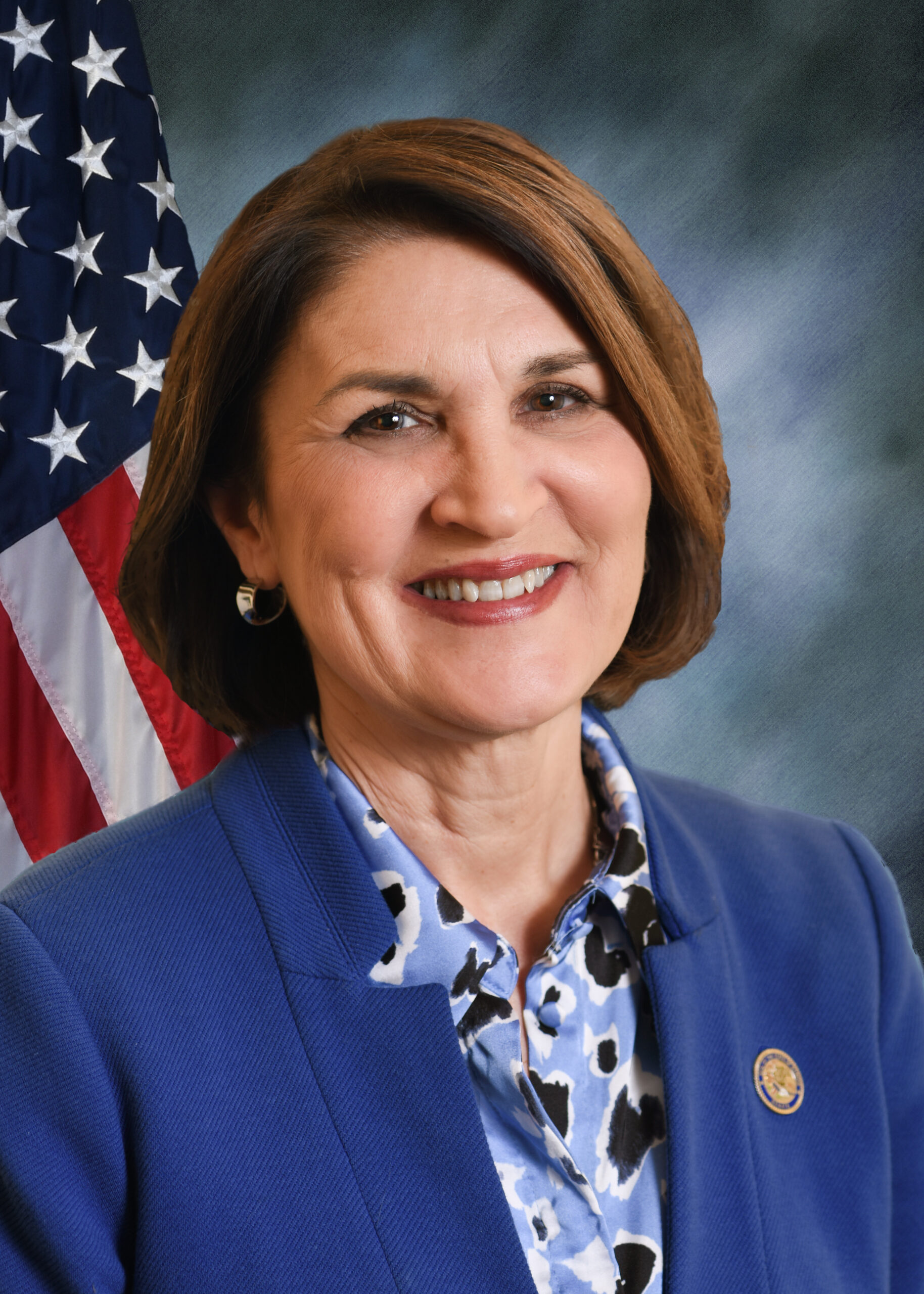
State Senator for the 44th Senate District of Illinois
Sally Turner is the State Senator for the 44th Senate District of Illinois. She has been serving in the Senate since 2021, and was chosen as the Caucus Whip for the Senate Republican Caucus.
Sally is a lifelong resident of Illinois and a graduate of the University of Illinois, where she earned a degree in legal studies. She went on to become a juvenile probation officer before serving six years as a paralegal in the Office of the Logan County State’s Attorney. Her public service career began in 1994, when she was elected as Logan County Clerk and Recorder followed by five more consecutive re-elections.
Senator Turner currently serves as the Minority Spokesperson for the Senate State Government Committee as well as a member of the Senate Agriculture, Appropriations, Appropriations – Education, Child Welfare, Local Government, and Revenue committees. She also serves as a member of the Joint Committee on Administrative Rules.
Sally Turner resides in Logan County with her husband, John. She has one son and one daughter. Illinois’ 44th Senate District is in Central Illinois and includes all or parts of DeWitt, Livingston, Logan, Macon, Mason, McLean, Piatt, Sangamon, Tazewell, and Woodford counties.